
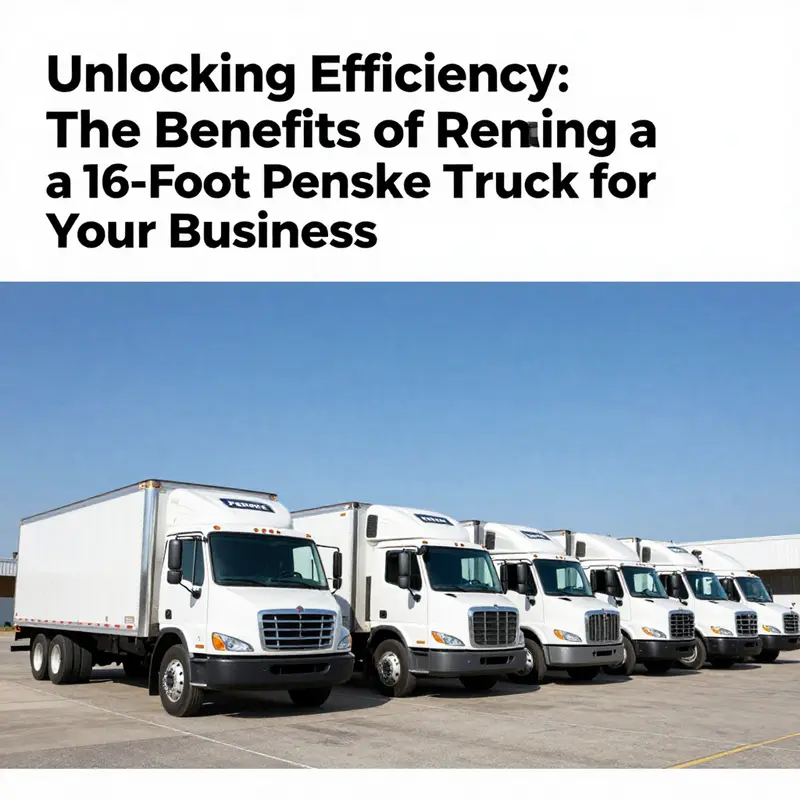
Moving your business can be a daunting task, but having the right resources can make all the difference. A 16-foot Penske truck rental stands out as an optimal solution for business owners looking to relocate or transport large items efficiently. With ample space and a variety of features designed for safe hauling, this truck size is especially suitable for businesses moving a considerable volume of goods, equipment, or inventory. As we delve into the benefits, cost analysis, specifications, booking processes, and safety measures associated with renting a 16-foot Penske truck, you will discover how this vehicle can serve as a strategic asset in your operational toolkit.
Carrying the Load: Why a 16-Foot Penske Truck Is the Quiet Power Behind a Smooth Relocation
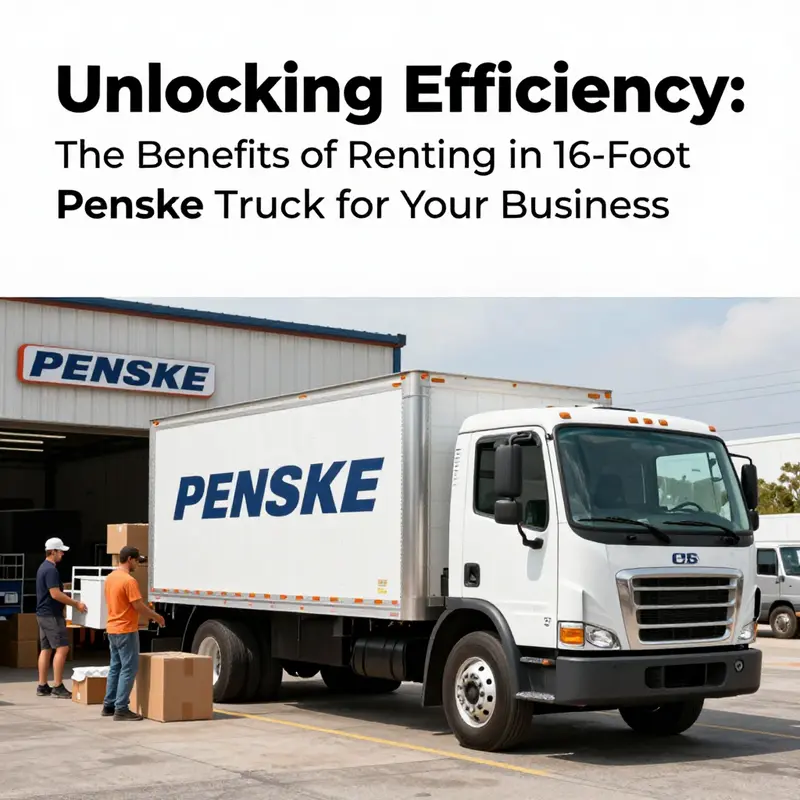
Relocation brings a mix of anticipation and friction, and choosing the right vehicle can tilt the day from chaos to clarity. When the plan calls for moving a substantial amount of possessions without fragmenting the effort across multiple trips, a 16-foot Penske truck often rises to the top as a balanced choice. It’s not simply a rental; it’s a deliberately designed workspace on wheels, a mobile staging area where the process of packing, loading, and driving can be coordinated with a level of control that smaller vehicles simply cannot offer. In the practical world of moving, that control translates into less stress, fewer forgotten items, and a cleaner, more efficient transition from one home or office to the next. The story of a relocation is often about timing as much as capacity, and with the right truck, timing can be optimized around your own schedule rather than the availability of a fleet or the constraints of a third-party mover. With this in mind, the 16-foot box truck becomes a kind of partner—reliable, straightforward, and sufficiently capable to handle a broad spectrum of moves, from compact apartments to modest offices, all while remaining maneuverable enough to navigate streets, ramps, and parking lots without feeling like you’ve bitten off more than you can chew.
What makes this size particularly appealing is the balance it strikes between interior space and practical handling. The cargo area, typically in the 750 to 800 cubic foot range, provides a generous canvas for stacking crates, boxes, mattresses, small appliances, and furniture. It’s large enough to accommodate the bulk of a small apartment or a one-to-two-bedroom setup, depending on how you pack and what you bring along. The interior layout helps you think in layers: you can place heavier items at the floor, secure them with adjustable tie-downs, and then use the vertical space for lighter boxes. This tiered approach helps maximize the use of every inch of space while reducing the risk of shifting during the drive. It’s the kind of space that rewards planning—the kind of planning that makes loading efficient rather than improvisational. For many movers, the result is not just a loaded truck but a clearer path to a smooth handoff at both ends of the journey.
Beyond the raw volume, the convenience and flexibility of a self-drive rental shines through. When you control the schedule, you can tailor loading windows around your day rather than the other way around. This flexibility becomes especially valuable in urban settings where parking, curb space, and neighboring traffic can complicate a move. A 16-foot Penske truck is designed with this reality in mind: a vehicle sturdy enough to carry a heavy load, yet nimble enough to navigate tighter streets and alleys that larger rigs struggle with. Features like adjustable tie-downs allow you to secure items at multiple points, reducing the chance of shifting in transit. Interior lighting helps you see what you’re doing when you’re working after dusk or before sunrise, and the reinforced body provides a reassuring sense of security for sensitive items. These details matter because moving is not just about getting from A to B; it’s about maintaining order in the process and protecting belongings that may have sentimental or monetary value.
The reliability story is equally important. A truck that’s regularly maintained and inspected offers a kind of quiet reassurance. You don’t want to discover a mechanical issue mid-move, when you’re already balancing stairs, ramps, and a growing list of boxes. Regular service checks, tire wear monitoring, brake inspections, and fluid level reviews are standard elements of the rental program, and they translate into fewer interruptions and more predictability on a moving day. Penske’s commitment to safety extends to roadside assistance that’s available around the clock, a factor that matters to anyone who has faced a time-sensitive move or navigated unfamiliar neighborhoods at odd hours. In short, the truck you rent is not just a vehicle; it’s a platform for a well-executed plan, with a safety net in case the unexpected arises.
Cost considerations often shape the decision as much as capacity and convenience. For many households and small businesses, the aim is to minimize the total price of relocation while preserving a predictable schedule. The daily rate for a 16-foot truck typically falls in a broad range, influenced by location, season, and the additional equipment you choose. The numbers you’ll see quoted often reflect base rental time, mileage terms, and any optional add-ons like ramps, tie-down straps, or moving pads. It’s not unusual to find a baseline price in the vicinity of a few hundred dollars per day, with discounts offered for longer rental periods or multi-day moves. The value of the arrangement increases when you consider the savings from fewer trips, reduced fuel consumption, and the ability to consolidate tasks—from loading to loading dock handoffs—into a single, organized operation. In real-world terms, many relocations are completed more quickly and with less hassle when a truck of this size is used, compared with smaller vehicles that might demand multiple trips or a subsequent rental for oversized items.
Seasonal promotions and business-friendly terms also shape the math. Promotions such as extended rental terms, promotional pricing, or mileage incentives can noticeably swing the overall cost, especially for small businesses relocating inventory or equipment during off-peak months. It’s worth taking the time to compare an official quote online, where you can add specific needs—like dollies, straps, or moving pads—and see how the numbers adjust with each choice. The ability to reserve online, confirm pickup details, and receive a clear, itemized estimate ahead of time is a practical advantage that keeps the process transparent. The goal isn’t to chase the lowest daily rate but to secure a reliable, predictable arrangement that minimizes the total moving cost when all factors are included, from fuel to tolls to the time you invest in packing and loading. In this respect, a 16-foot Penske truck often proves to be a prudent investment for those who want a straightforward path to a successful relocation.
The network effect also matters. A nationwide footprint means you can pick up a truck near your starting point and return it at a convenient location near your destination, reducing long-distance driving and complicated routing. The ability to source a unit that matches your specific move—whether it involves loading a single room or staging a small office—while still benefiting from a consistent experience across locations, is a practical advantage that resonates with both individuals and small teams. It helps you plan not just the move itself but the broader logistics—timelines, parking permits, and access to loading docks—without forcing a compromise on the vehicle you rely on.
Of course, it’s wise to complement this practical understanding with a clear view of what the rental world looks like in practice. Before you commit, you can verify official details and policies through the brand’s dedicated rental portal. For an overview focused on the 16-foot dimension and rental specifics, you can explore the practical guide at penske-truck-rental-16-ft. This resource helps translate the theoretical benefits into real-world expectations—how much space you’ll have for furniture and boxes, how easy it is to negotiate tight urban streets, and what equipment—ramps, straps, moving pads—can be added to tailor the vehicle to your exact needs. The page also reinforces the idea that the truck is a tool designed to fit your schedule, not the other way around, and it underscores the importance of choosing a size that aligns with the scope of your move rather than defaulting to a larger, more intimidating option.
In the end, the 16-foot Penske truck offers a blend of capacity, control, reliability, and cost awareness that makes it a compelling choice for relocations. It lets you pack with intention, drive with confidence, and complete a move on a timeline you set. The question is less about what the truck can carry and more about how you prepare to use that space—how you map out each step from the moment you start packing to the moment you roll into your new front door. When you approach the move with that mindset, the truck becomes a partner in the process: a steady, capable platform that keeps the focus on the goal—getting your belongings to their new home safely, efficiently, and with as little disruption as possible.
External resource for further reference: https://www.penske.com/rentals/moving-trucks
The Real Cost Equation of a 16-Foot Penske Truck Rental: Space, Miles, and Moving Investments
A 16-foot truck rental sits at a crossroads between compact convenience and generous capacity, a choice that appeals to households upgrading or downshifting, and to small businesses moving offices or inventory. The interior space, roughly one thousand cubic feet, is enough to swallow the furniture and boxes of a three- to four-bedroom home if you pack thoughtfully and use the vertical height wisely. It is not a van, but it is not a full-size tractor-trailer either, which means you get a blend of nimble handling and real cargo potential. This balance is what makes the 16-foot option a go-to for many moves, especially when you want a single-trip solution that avoids multiple trips or an unfamiliar trail of rental stages. The real story behind the price, however, unfolds not in the raw size of the cargo area but in a web of variables that shape the final bill. Understanding those variables helps you forecast costs with more confidence and avoid surprises on moving day. The base daily rate, the mileage framework, and the optional add-ons all interact to determine how much your move will cost, yet each factor behaves differently depending on where you are, when you move, and how long you keep the vehicle. In practical terms, the daily rate for a 16-foot Penske truck tends to sit in a broad range that fluctuates with location and season. It is common to see a general window around a modest, economy-friendly baseline, but once you factor in the mile charges, fuel, insurance, and any required equipment such as ramps or moving pads, the total can drift significantly. The moving math is not a single line item; it is a constellation of charges that accumulate in small increments and, when combined, define the ultimate cost of a one-trip relocation or a short-term storage-haul scenario. What starts as a simple rental quickly becomes a layered estimate that rewards careful planning. The official rental portal makes this clearer: you start by entering pickup and drop-off points, dates, and any extras you might need, then you receive a tailored quote that reflects the precise service you’ve chosen and the coverage you’ve selected. It is a reminder that the truck’s physical capacity is only part of the equation; the other parts are policy choices, auxiliary services, and the practical realities of the route you’ll drive. For a concise walkthrough of the rental steps and what to expect during the reservation process, there is a useful, targeted resource worth consulting: Penske truck rental 16-foot guide. This guide delves into the practicalities of choosing the right size, anticipating freight limits, and aligning your purchase with your moving timetable, all of which feed back into cost considerations in a meaningful way. Yet even with a detailed guide, the dollar signs must be tied to the circumstances of your move. The daily rate can be affected by the pickup city and the drop-off location, and the period you choose to keep the vehicle can tilt the price in a favorable direction if you bundle days rather than splitting them across shorter rental windows. Longer rental periods often unlock discounts or more favorable terms, a feature that appeals to families who map out a weekend-to-weekend relocation or a several-day office transition. If you are planning a move across town or to a nearby suburb, the one-way aspect can introduce a different set of charges than a local return. One-way rentals may come with a fixed surcharge or an adjusted daily rate to compensate for the logistics of returning the vehicle to a distant depot. This is not a universal rule, however, and the only way to know for sure is to request a quote for your exact route and dates through the rental platform. In addition to the base rate, mileage is a recurring budget line that deserves its own attention. Some customers assume unlimited miles are included, or that the per-mile fee is a simple, flat number. In reality, mileage terms vary by contract. Some plans include a fixed number of miles per day, while others bill per mile beyond a daily allotment. If your move spans longer distances or requires multiple detours to pick up items at storage facilities, the per-mile charges can accumulate quickly, even if the daily rate remains reasonable. Fuel is another cost layer that can surprise if not planned for. The policy at most major rental providers is full-to-full fuel, with the expectation that you return the vehicle with a comparable fuel level. If you return with less fuel, a premium per-gallon refueling charge may apply, sometimes coupled with a service fee. It seems minor in the moment, but it is easy to underestimate how much fuel a 16-foot truck can burn on a long city-to-suburban move, especially if you navigate heavy traffic or steep routes during peak moving hours. Insurance and protection options add another dimension. Basic coverage might be included in some rental rates, but many renters opt for protection plans to guard against minor mishaps or accidental damage in unfamiliar neighborhoods. The premium varies with the level of coverage, deductibles, and the vehicle’s assessed value, and you should weigh the peace of mind against the incremental daily cost. Depending on your personal risk tolerance and the value of your belongings, the protection plan can be a judicious investment or something to forgo in favor of credit-backed self-insurance. Add-ons such as ramps, moving pads, tie-down straps, dollies, and blankets are frequently recommended to protect your items and ease loading and unloading. Each accessory carries its own incremental charge, but these tools can prevent damage and shorten the move, creating a different kind of cost efficiency by avoiding repair charges or damaged goods later. The total price, therefore, is a carefully assembled sum: base rent, mileage, fuel, insurance, taxes, and any optional gear. The right combination will depend on the specific move profile—distance, volume, timeline, and the level of risk you’re prepared to manage. In practice, a practical approach is to sketch your plan on paper before you book. List the furniture layout, estimate the number of boxes, and measure the largest pieces to confirm the 16-foot truck will accommodate everything with efficient stacking. Consider the height of the cargo area and whether you will need to build a multi-tier loading plan or simply stack with care at the floor level. When you communicate with the rental provider, share those measurements and your route details. The more precise your initial request, the closer the quote will reflect reality, and the better your chances of avoiding unexpected add-ons at checkout. The pricing text on the official portal also highlights available enhancements such as ramps and loading equipment, which can be crucial for awkward or heavy items like appliances or large furniture. If you are unsure about whether to include these extras, err on the side of caution. A small upfront investment can prevent a larger friction point on moving day, especially if you are coordinating a crew of helpers and a tight schedule. The narrative of cost here extends beyond mere numbers; it’s about compatibility between your moving plan and the truck’s practical capabilities. The 16-foot class presents a sweet spot where you can handle a substantial quantity of belongings without contending with the bulk, fuel hunger, and handling difficulty that larger trucks demand. This reality informs decisions about timing, route planning, and even packing strategy. When you map out your move, imagine the route from door to door, not simply the distance along the map. Envision the turns, the potential for narrow streets, and the ease with which the truck can be parked, loaded, and unloaded. A thorough plan can reduce labor time, minimize fuel use, and decrease the risk of accidental damage—each of which has the potential to pull the total cost in different directions. In the end, the cost picture for a 16-foot Penske truck rental is a disciplined blend of the driver’s needs and the provider’s structure. It rewards proactive budgeting, sensible scope, and clear communication about route, dates, and required gear. For those who want a precise figure, the most reliable path is to request a quote directly through the official rental interface, inputting your exact pickup and drop-off locations, the dates you need, and the equipment you want. The resulting figure will reflect the real-world conditions of your move and give you a dependable basis for planning your budget. And because moves rarely unfold exactly as forecast, consider setting aside a small contingency to cover last-minute adjustments, changes in traffic, or a shift in schedule. As with any large logistical task, the best-informed move is the one that balances space efficiency, time, and cost through careful preparation and a clear understanding of the pricing framework. External resources and internal guides can help you refine your plan, but the core step remains the same: secure a precise quote, confirm the terms, and align your packing and loading strategy with the truck’s interior geometry. For ongoing references and broader context on moving truck choices and rental strategies, you can explore related material in the internal link to a broader family of moving-truck topics, and you can always return to the official site for current rates and terms. External resource: official Penske site for current rates and terms: https://www.penske.com
A Practical 16-Foot Penske Truck Guide for 3-4 Bedroom Moves
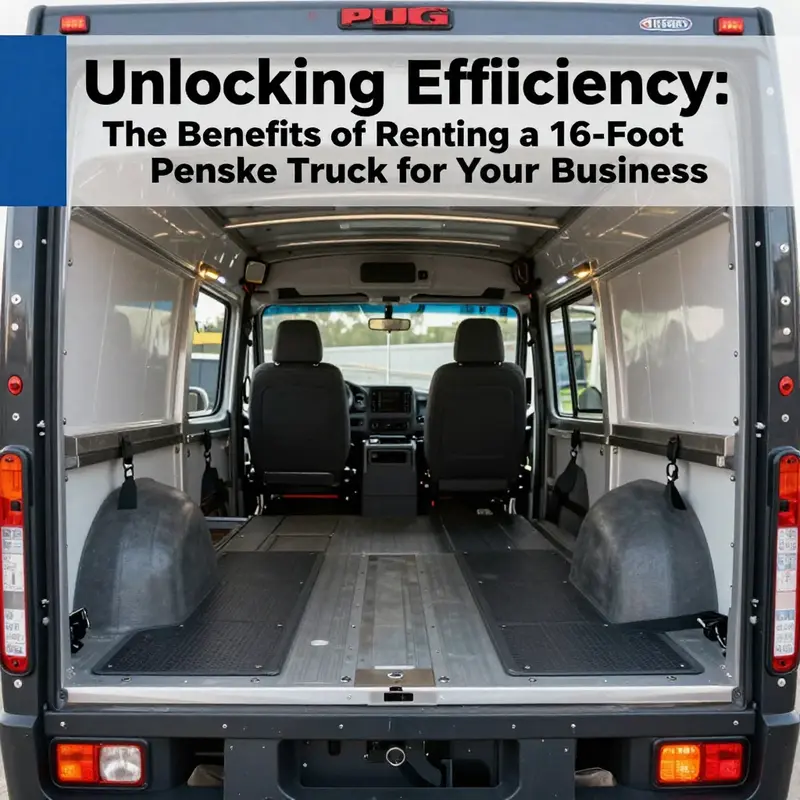
A 16-foot Penske truck sits at a useful middle ground for many mid-sized moves. It offers more cargo space than a car or small van, while remaining easier to maneuver than the largest moving vans. This size is well suited to typical 3-4 bedroom inventories when you’re aiming for a single-day load and unload. With careful planning, you can place a heavy sofa and a mattress set on the bottom layer, stack labeled boxes above, and still leave accessible space near the back for essentials.
The interior dimensions and calculated space promote a methodical loading sequence rather than a scramble. Expect roughly 14 feet of length, about 7 feet of width, and a ceiling height that accommodates tall stacks. Roughly 1,000 cubic feet of usable space can handle large furniture, kitchen appliances, and a substantial number of boxes. The key is to balance weight near the wheelbase and keep heavy items low for stability.
Safety and convenience features—air conditioning, power windows, and a rearview camera—contribute to a calmer day on the road. Optional add-ons like a moving dolly, tie-down straps, and blankets further improve protection and efficiency. By planning inventory first, laying out a loading plan, and securing items as you go, you reduce risk and stress while keeping the move on track. For more specifics, see Penske’s official add-ons page and truck configurations.
Securing the 16-Foot Penske Truck: A Seamless Reservation That Keeps Your Move on Track
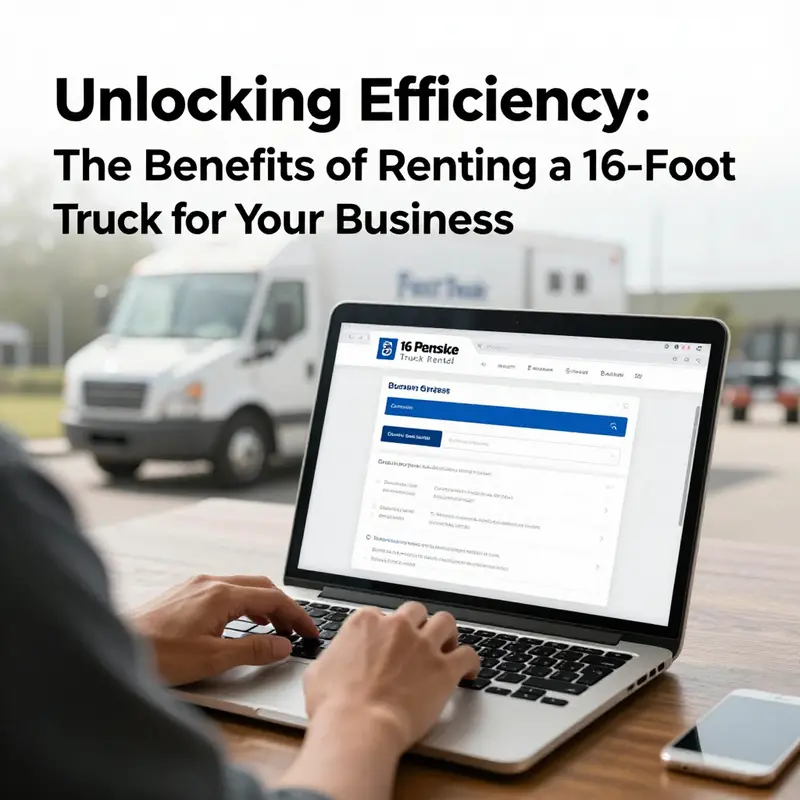
Every move begins with a plan and with a reservation that ensures the tool you need will be ready. A 16-foot Penske truck offers roughly 1,000 cubic feet of cargo space, with a loading configuration that fits a wide range of furniture and boxes.
When you book, the web interface shows available options in your window and highlights add-ons that smooth the process, such as moving pads, a ramp, and tie-downs. The price breakdown helps you see what’s included and what could be added, including optional insurance or roadside assistance.
With a straightforward account flow, you can sign in or create an account, which saves time on future rentals and keeps your reservations organized. At checkout, you’ll provide a driver’s license and proof of insurance to confirm authorization and coverage for the rental. Validation steps help prevent last-minute issues on moving day.
The mobile app mirrors the web experience: search availability, compare prices, and reserve a 16-foot truck with a few taps. Real-time status updates keep you informed as pickup approaches. Optional services mirror the web options, and while occasional data lag can occur, support is available at 1-844-847-9517 if you run into friction.
Prices vary by location and season, typically ranging around $150 to $250 per day, with discounts for longer rentals and varying by add-ons.
A practical reservation strategy centers on estimating space needs and load counts to determine whether a single truck will handle the heaviest items, reducing trips and stress. The 16-foot configuration suits many midsize moves and tight driveways, while flexibility in pickup and drop-off dates helps you target more favorable rates.
When you finalize the booking, you can share details with a moving crew or family, ensuring everyone stays aligned. If plans shift, many reservations can be adjusted without penalties, especially for longer commitments or optional accessories. The result is a smooth foundation for your move, allowing you to focus on the unpacking and setup in the new space.
For readers who want a deeper reference, the Penske truck rental overview and official policies provide current specifications and guidance to keep your process aligned with practice.
Steering Confidence: The Safety, Support, and 16-Foot Advantage in Penske Truck Rentals
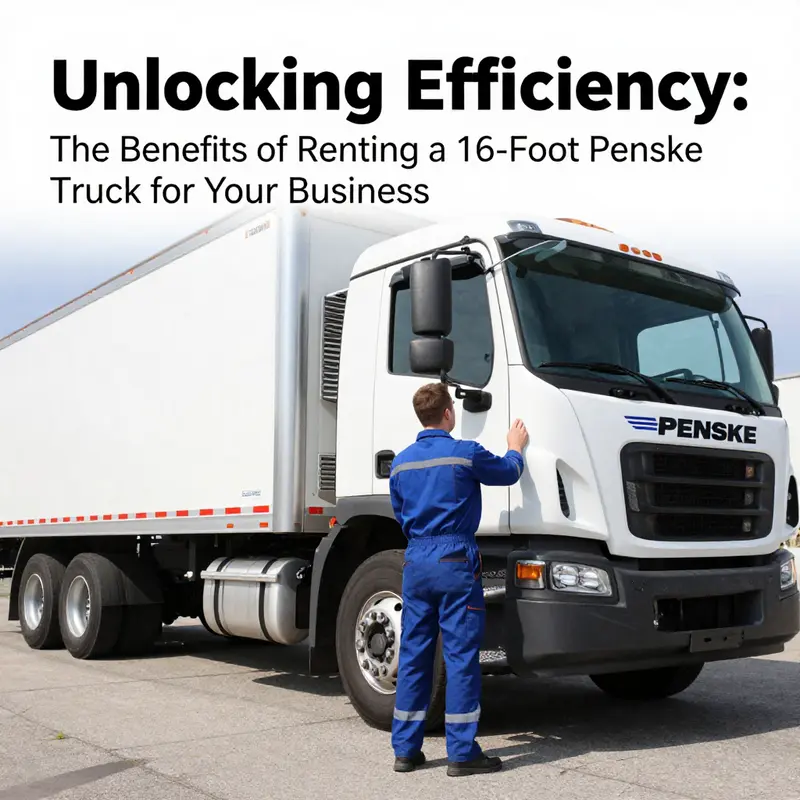
Moving is a test of logistics as much as endurance. The decision to rent a 16-foot Penske truck places you at the crossroads of practicality and peace of mind. This size is a careful balance between maneuverability and cargo capacity, a sweet spot that makes it possible to manage a substantial move without the overhead of a larger fleet. Inside, the space is ample enough to accommodate the bulk and the boxes of a typical 3- to 4-bedroom household, while still feeling nimble enough to navigate tight streets and suburban cul-de-sacs with relative ease. Roughly speaking, the interior offers around 1,000 cubic feet of cargo room, a figure that translates into a confident fit for bedroom sets, mattresses, dressers, living room furnishings, and those stubborn boxes of kitchenware and books that tend to multiply during a relocation. Penske offers variations within this size range, including standard box trucks and step-vans, each configured to accommodate different loading patterns and item shapes. The practical takeaway is simple: plan your load with the idea that heavier items should sit at the bottom, with lighter boxes snuggling above, and appliances secured to prevent shifting during transit. It is the kind of configuration that supports a move with fewer trips and less stress, especially when you factor in the optional add-ons that Penske makes available at the point of reservation or pickup.
Safety and reliability are not afterthoughts when you rent this size. The fleet is described as clean, well-maintained, and late-model, with rigorous inspections designed to ensure every truck meets exacting safety standards. The result is not just a smoother ride; it is a more predictable one. You may notice drivers who keep to a careful maintenance schedule, a practice that reduces the likelihood of unexpected breakdowns or last-minute detours on moving day. In practical terms, this means a truck that starts reliably, handles braking with confidence, and maintains a steady pace on the highway without unusual vibrations. Such reliability matters when time is tight and destinations are on a tight schedule, because a single mechanical hiccup can cascade into delays that ripple through an entire move.
Behind the wheel, safety also means supporting infrastructure that helps you recover gracefully from the inevitable surprises of a relocation. The 24/7 roadside assistance program is more than a slogan; it is a lifeline for anything from a flat tire to a vehicle issue that could otherwise derail a day’s plans. The assistance is backed by a straightforward, around-the-clock support system, with a dedicated line you can call for help, guidance, or rapid dispatch of a technician. The number provided in official materials is 1-844-847-9517, a direct connection to a support team that can locate the nearest service option, arrange help, or provide instructions on how to proceed if you find yourself in an unfamiliar area. The continuity of support matters just as much as the physical safety features, because moving often takes place in unfamiliar neighborhoods and across changing weather and traffic conditions. The presence of this safety net reduces the mental load of moving, letting you focus more on the process of packing, loading, and planning the route rather than worrying about what could go wrong on the road.
A key element of safety is information in real time. Penske speaks to this through a mobile app that provides real-time updates on the status of requests, bookings, and perhaps even the location of the truck itself if you are coordinating multiple legs of a move. The app’s promises of timely updates translate into practical benefits: you can adjust schedules, confirm pickup times, and track when the truck is loaded and ready for departure. In a move where timing often dictates the day’s rhythm, such visibility helps align efforts with the schedule you have chosen, reducing the number of variables that can throw a wrench into the works.
Support also takes a human form beyond the phone line and the app. Among the resources Penske highlights are loading guides and expert advice designed to minimize risk and optimize cargo protection. The loading guides walk customers through best practices for packing, stacking, and securing items, offering a mental map for how to distribute weight, manage odd shapes, and use the interior space most efficiently. The emphasis on proper packing and securing is not merely about protecting belongings; it is about preserving the truck’s handling characteristics, reducing shifting during transit, and helping to avoid damage to both cargo and the vehicle. In practical terms, this means choosing sturdy moving blankets for delicate furniture, using tie-down straps to anchor items, and knowing when to employ ramps or dollies to lift heavy objects without straining. These steps, simple in theory, prove essential in the real world when you are balancing heavy appliances in narrow aisles and navigating through doorways that resist the daunting shape of a full-size mattress.
The rental experience itself carries an implicit promise of convenience. The Penske model is designed to align with real-world moving patterns: easy online reservations, flexible return options, and a customer-centric approach to add-ons such as ramps, tie-down straps, or moving pads. The pricing is laid out in a way that reflects the variability of location, season, and the spectrum of add-ons, with a typical range that helps you set expectations as you plan. In broad terms, you might expect daily rates in the neighborhood of $150 to $250, with potential discounts for longer rental periods. Those numbers are not merely numbers; they are a reflection of the scalability of the service—how a one-day local move can be economical, while a multi-day, cross-town relocation benefits from a lower daily rate when you commit to more time with the vehicle. The option to reserve online and the ability to add items like ramps or moving pads at checkout translate into a one-stop experience where you can tailor the truck to your specific move without juggling multiple vendors.
All of this—space, safety, and support—works together most effectively when you approach the move with a plan that leverages the strengths of the 16-foot truck. The interior space provides enough depth to stack furniture while maintaining clearance for doors and thresholds, and the height and width generally allow for careful, methodical loading that respects both the structure of your belongings and the limitations of the vehicle. This is not just about capacity; it is about confidence. Confidence that you are moving through a process backed by a company that prioritizes safety in every truck, offers around-the-clock support when things go off-script, and provides practical, actionable guidance to protect your items from the moment you start loading to the instant you roll into the new home. The combination of a clean, well-maintained fleet with robust support services creates a moving experience that can feel less like a gamble and more like a carefully choreographed operation.
For readers seeking a practical touchpoint during this discussion, there is value in engaging with resources that discuss the real-world utility of roadside support and how it integrates with a move. For practical guidance on roadside support and how it works, explore Penske roadside resources. This internal link helps connect the theory of safety and support with the lived experience of getting help when it is needed most: Penske roadside resources.
As you plan, keep in mind that the 16-foot truck is widely compatible with both immediate, local moves and more extended relocation plans. The capacity to haul large furniture and multiple boxes, combined with the option to tailor the vehicle with ramps or protective gear, makes it a versatile choice for a broad spectrum of moves. And while the numbers—such as interior space and daily rental rates—provide a framework, the real value lies in how the safety inspections, 24/7 roadside support, and intuitive tools come together to reduce stress and increase predictability on moving day. When you pair a structured loading approach with a reliable vehicle and a robust support system, the move becomes not a chaotic sprint but a controlled, measurable process. In this light, the 16-foot Penske truck emerges not merely as a means of transport but as an integrated service ecosystem designed to steward your belongings from one destination to the next with care and clarity.
For those seeking official confirmation of safety features and service details, the Penske Truck Rental site offers current information, policies, and booking options. Accessing the broader, official platform helps ensure you are looking at the latest fleet standards, coverage options, and support capabilities across locations: https://www.pensketruckrental.com
Final thoughts
In conclusion, the 16-foot Penske truck rental is an invaluable option for business owners needing to relocate or transport sizable amounts of goods safely and efficiently. With its competitive pricing, comprehensive features, and robust support services, this rental solution not only simplifies logistics but also provides peace of mind during transitions. As you consider your upcoming business moves, keep in mind that choosing a reliable transport vehicle like the 16-foot Penske truck can significantly enhance your operational efficiency and ensure a smoother relocation experience.