
When it’s time to move your business or even just a office, selecting the right moving truck can make a significant impact on the success of your operation. The 16-foot moving truck is a versatile option for many small businesses needing to transport equipment, inventories, and supplies efficiently. This article is designed specifically for business owners, providing insights into understanding available options, comparing rental prices, and tips for a seamless rental experience. Each chapter focuses on crucial elements to ensure you make the best choice for your moving needs, ultimately enhancing your operational efficiency.
The Right-Sized Move: Navigating the 16-Foot Moving Truck Rental Landscape
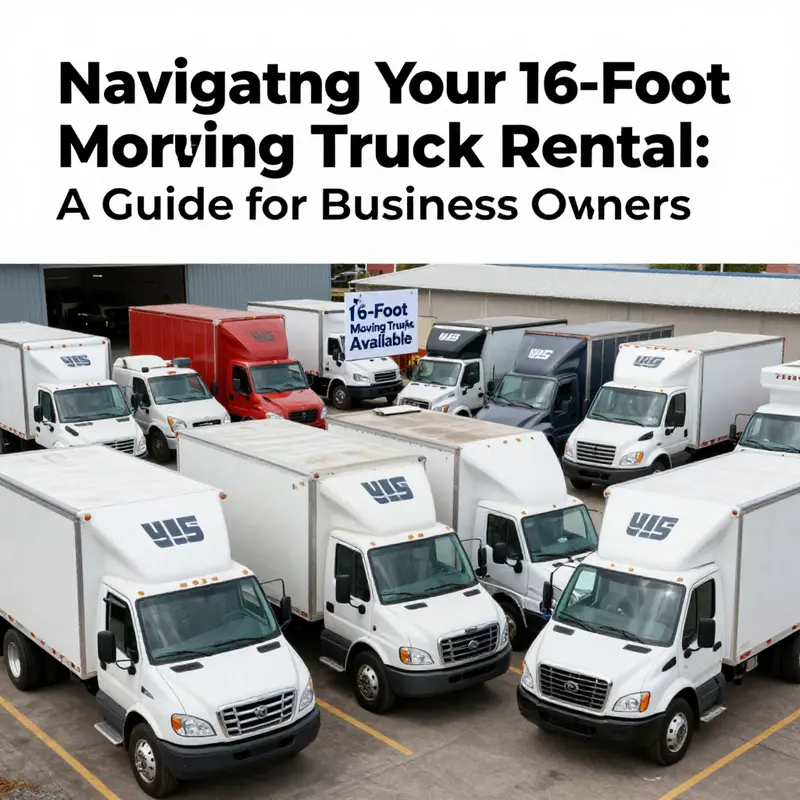
Choosing the right moving truck is a decision that quietly shapes the entire process. A 16-foot rental stands out as a practical middle ground—large enough to handle a small apartment, a studio, or several rooms from a larger home, yet not so unwieldy that maneuvering through city streets or narrow driveways becomes a test of nerves. That balance matters because every inch of cargo space, every mile driven, and every extra dollar spent on fuel or insurance compounds into the total cost of moving. In these pages, we will explore how to read the landscape of 16-foot moving truck rentals without getting lost in jargon or hype. The goal is not to entice you with flashy claims but to equip you with a clear, usable framework for choosing a vehicle that fits your load, your route, and your budget. The 16-foot model, with roughly seven hundred to eight hundred cubic feet of cargo space, is typically enough for a small apartment, a one-bedroom unit, or a selection of rooms from a larger house. It is large enough to accept a bed, a dresser, a sofa, several boxes, and the usual array of household items, yet compact enough to navigate most neighborhood streets and fit into standard parking spots. This size often translates into familiarity for first-time movers as well: a truck that is big enough to handle the job but not so big that you feel you are driving a commercial backhoe. It is the vehicle you choose when your distance is manageable and your inventory is modest but not trivial.
The decision to rent a 16-foot truck, however, is mediated by a handful of practical considerations. Transmission type, presence of lift gates, and the availability of loading accessories, such as moving blankets, dollies, and straps, all contribute to the ease of loading and unloading. When you plan a move in this size class, you are weighing efficiency against flexibility. An automatic transmission, for instance, makes familiar driving feel comfortable in a city or on a highway, reducing fatigue on longer drives. A lift gate can dramatically ease the burden of heavy items from the truck to the curb or into a moving truck-friendly location, particularly when stairs or long driveways complicate the process. Yet such features may come with a higher daily rate. The balance between price and convenience is where the judgment must land, because the cheapest option on paper may require more labor, more time, and more stress in practice.
One practical approach to understanding what you need is to inventory your items with an eye toward weight distribution and space. Start from the heaviest pieces—appliances, dressers, or a bed frame—and group them to the center of the truck to maximize stability. Work from the largest items toward lighter boxes and totes. Remember that weight limits matter not only for the vehicle’s performance but also for your own safety and that of the moving crew you may enlist. A well-planned layout helps prevent shifting during transit, which in turn reduces the risk of damage to fragile goods and to the truck itself. If you will be loading in stages, consider bringing along a few sturdy tarps and rope to secure items between sessions. The process—packing, loading, driving, unloading—should feel like a well-rehearsed routine rather than a scramble that leaves you exhausted before the move begins.
Beyond space and weight, pricing structures shape the overall value of a 16-foot rental. The base daily rate is only the opening figure. Additional costs commonly include mileage charges beyond a per-mile allowance, insurance options, fuel, and taxes. Some rental terms offer promotions such as free miles within a certain radius or included insurance at a bundled price; others feature variable rates depending on pickup and drop-off locations and dates. Because moves often hinge on weekend availability and seasonal demand, the day you reserve the truck can influence the price more than you might expect. The practical tip is to map out your expected travel distance, then compare the likely base rate plus the mileage charge, factoring in a conservative buffer for fuel and tolls. As you compare options, be sure to ask about any required or optional insurance. Physical damage coverage can provide peace of mind, but it adds to the daily rate, so weigh it against your auto policy or travel insurance. You should also clarify fuel policy. Some outfits require you to return the vehicle with a full tank, while others prepay for fuel or offer a certain amount of fuel included in the price. These choices alter the end total in meaningful ways and can determine whether a particular rental option remains the best value.
To navigate these cost considerations, it helps to bring a simple decision framework to the table. Start with the basics: Are you moving within a reasonable distance with a modest load? Do you need two days of rental time or more? Is a lift gate or automatic transmission essential for your circumstances? Then layer on the add-ons and the fine print: the per-mile rate after the allowance, the cost of extended coverage, the availability of one-way rentals, and whether the rental includes free miles or charges by the mile beyond a certain threshold. You may find that some outfits offer bundled pricing that appears higher at first glance but ultimately saves money when you factor in loading equipment and insurance. In other words, it is not merely the sticker price that matters, but the total cost of moving with that truck across your chosen route.
As you assess options, consider the kinds of features that tend to improve the moving experience. A truck with automatic transmission can reduce cognitive load during slow urban drives and rolling highway segments alike. A lift gate opens a door to easier loading of bulkier items without requiring extra hands or loading ramps. Utility vans or box trucks that emphasize easier loading through low step-ins or wide rear doors can save you both time and physical strain. And then there are the small, sometimes overlooked conveniences: built-in storage compartments for tie-downs, traction mats for slippery days, or extra lighting for evening unloads. Of course, the presence of these features will hinge on the rental category you choose and the particular vehicle you end up with, but understanding what is typically available helps you recognize value when you see it.
The process of selecting a 16-foot rental also involves a sober look at the practicalities of the rental ecosystem itself. You should know what to expect when you book, pick up, and return the truck. Some providers require you to be at least 25, with a valid driver’s license, and they may require a clean driving record for certain vehicle classes. A brief pre-trip inspection is almost universal; you should check tires, fluids, lights, brakes, and the condition of the cargo area before you depart. It is a small ritual, but it can save you from discovering a mechanical issue only after you are far from the depot. If the vehicle has any conspicuous damage, report it before you drive off the lot. A good practice is to take a few photos or note any dents or scratches in a checklist that you keep with your contract.
If you want to understand the landscape more concretely, you can explore a concise overview of the 16-foot truck in one place. This resource offers a compact summary of what you can expect in terms of space, capacity, and typical configuration, helping you translate your inventory into a visual confidence booster before you go to the rental desk. For a detailed look, see the dedicated overview here: 16-foot truck overview.
Turning to the operational side, many renters face the question of one-way versus round-trip rentals. One-way arrangements are often appealing for long-distance moves, but they can require more planning, including drop-off at a location different from the pickup. This can impact availability and price, and in some cases you may encounter higher per-mile rates for the return trip if the truck is not positioned conveniently for a later leg of your journey. A carefully staged plan can help you sidestep these inflationary costs: schedule a short move to a temporary storage option, then complete the final leg with a one-way reservation that aligns with the move date. The final tally will depend on distance, time, and whether the rental package includes a maintenance or mileage cushion. The key is to align your route with the rental terms so there are no surprises on pickup or return day.
As you accumulate a checklist of needs, you will also encounter a range of add-ons designed to ease the move. Beyond the core truck, you may find options such as moving blankets to protect furniture, dollies to move heavy boxes efficiently, straps to secure items, and professional packing services that help you optimize space and protection. These extras can be tremendously valuable when you face fragile items, heavy wardrobes, or bulky couches that do not easily nestle into a rigid cube of a truck. It is not unusual for a single move to require several of these accessories, and pricing for add-ons is typically presented either as a bundled package or as a la carte items. When evaluating add-ons, weigh the cost against the time saved and the reduction in potential damage risk. If you are an organized mover with plenty of time, you may opt to skip certain extras; if your move involves delicate items or a tight timeline, renting the blankets, dollies, and straps can be well worth the extra expense. In short, the right assortment of add-ons can transform a stressful move into a manageable, efficient operation.
Safety remains a consistent through-line in every discussion about moving trucks. The large vehicle requires attention to weight distribution, proper loading techniques, and careful route planning that accounts for weight limits on bridges and ramps. A pre-trip inspection extends beyond cosmetic checks. It includes verifying that the braking system, steering, and lighting are fully functional, and ensuring that the cargo area is clean and dry to prevent shifting or moisture damage. Drivers should be prepared to adapt to local traffic patterns, seasonal weather conditions, and the possibility of heavy traffic or road restrictions. If you are not comfortable driving a larger vehicle, it is wise to request a brief training session from the rental company. A calm, planned approach to the route—checking road work zones, tolls, and potential parking restrictions—will save you time and stress on the day of the move.
In sum, the 16-foot moving truck represents a pragmatic, flexible solution for a broad range of small-to-mid-size moves. Its space is ample enough to accommodate a typical apartment’s essentials, yet its handling can be more forgiving than that of a bigger, heavier truck when navigating residential streets. The economics hinge on a careful balance of base rate, mileage charges, insurance, fuel, and any add-ons you choose. By thinking through your inventory, your route, and your timing, you can select a vehicle that meets your needs without paying for features you will not use. And by adopting a disciplined loading method, verifying the vehicle before departure, and reviewing the contract terms with care, you place yourself in a position to execute the move with as much ease as possible. For a compact overview of what the 16-foot class typically offers, you can explore a dedicated page that distills the essential details into a concise guide.
As you plan, consider this practical rule of thumb: if your furniture requires multiple trips with a smaller vehicle, or if you have a substantial number of medium-sized boxes but limited equipment to move them, a 16-foot truck offers the best compromise between productivity and manageability. If your load exceeds the capacity of this size, or if you anticipate challenging loading conditions—such as a long staircase, a tight driveway, or complex scheduling—you may need to reassess the size or consider professional packing services to help you optimize space. The same decision framework applies whether you are moving across town or across state lines: evaluate space, assess access, anticipate time, and verify the price structure in advance. The more you understand these layers, the more you will feel in control of the process instead of at the mercy of a rental desk and a blank quote.
For readers who want a broader sense of how a typical 16-foot truck fits into the moving ecosystem, a reliable overview can act as a useful hinge between this guide and the practical steps of booking and planning. The link above directs you to a detailed breakdown of the vehicle’s dimensions, capacity, and typical configurations. From there, you can tailor the information to your own shipment, aligning your expectations with what the truck can actually deliver. This is the moment to translate intent into action—to convert your moving goals into a concrete plan that minimizes stress, protects your belongings, and keeps costs within reasonable bounds. After all, the aim of choosing the right size is not merely to transport items; it is to do so with confidence, efficiency, and clarity about what to expect every mile of the way.
To close the loop on planning, bear in mind that each rental transaction sits at the intersection of availability, price, and practicality. Availability can shift with the season or with last-minute demand, price can swing with promotions and fuel costs, and practicality is dictated by the specifics of your move—the number of items, their fragility, and the layout of the destination. Armed with a clear inventory, a thoughtful loading strategy, and a firm grasp of the likely costs, you can navigate this landscape with purpose. The 16-foot rental is more than a vehicle; it is the vehicle that ties together your schedule, your expectations, and your budget into a moving plan that works for you rather than against you. When you arrive at your new place, you will know that the decision to select this size was not merely a guess but a deliberate choice grounded in practical experience and careful calculation.
For those who want to explore more about how this size compares with related options, the knowledge base includes various examples and user experiences that illuminate common pitfalls and best practices. This broader context can help you avoid undersizing a move, which leads to repeated trips and fatigue, or oversizing, which wastes time and money. In the end, the aim is to empower you to move with a sense of control and confidence, knowing you have chosen a tool that aligns with your needs, your route, and your timeline. If you are curious about the mechanics of this process—how a particular 16-foot truck is configured, what its typical payload is, and how that translates into your packing plan—the dedicated overview linked earlier provides a concise reference point that complements the anecdotal and practical guidance offered here. The goal is not to overwhelm but to illuminate how a well-matched truck size can be a quiet catalyst for a smoother, less stressful move.
External resource for safety and operation guidance: to further understand the safety considerations and operational tips that underpin responsible truck use, refer to the following provider’s guidelines: https://www.budgettruckrental.com
Sizing Up the Move: Mastering the 16-Foot Truck Equation of Space, Price, and Practicality
When you stand at the doorway of a move, the question isn’t just how many boxes you have but how efficiently you can transform a pile of belongings into a navigable, safeguarded procession from one address to another. The 16-foot moving truck has long stood as the sweet spot for many households stepping up from studio apartments to small houses, and for those tackling two- to three-bedroom moves without paying for a larger, more fuel-hungry vehicle. This chapter follows the practical arc of choosing, pricing, and using a 16-foot rental, weaving together the factors that influence cost and capability, the features that affect ease and safety on the road, and the real-world decisions that turn a potentially stressful day into a smoother orchestration of plan, drive, and unload. It is not merely a comparison of numbers but a narrative about space, value, and the choreography of moving efficiently within a limited but forgiving size. For readers who want to go deeper into the specifics of 16-foot models and how they differ across brands, a detailed guide on 16-foot trucks can be found here: 16-foot truck. This chapter also circles back to the broader picture of rental options, while grounding every claim in practical realities that movers actually face, day in and day out.
The cargo box measured in the 16-foot range is designed to be manageable yet capable. Most 16-foot trucks offer around 700 to 800 cubic feet of cargo space, a volume that aligns well with mid-sized moves—think a two- to three-bedroom apartment or a small house with careful packing. That space is not just about maximizing furniture; it’s about how you distribute weight, how you load tall wardrobes and bulky mattresses, and how you secure delicate items so they don’t shift during highway travel. When you plan a move with this size, you gain a rhythm: pack by room, label clearly, and then stage the truck so that the heaviest items load first and the lighter items fill gaps and cap the axle with even weight. The process invites a disciplined approach to packing, one that often saves time and reduces the chance of shifting cargo that could damage goods or strain the suspension on rough roads.
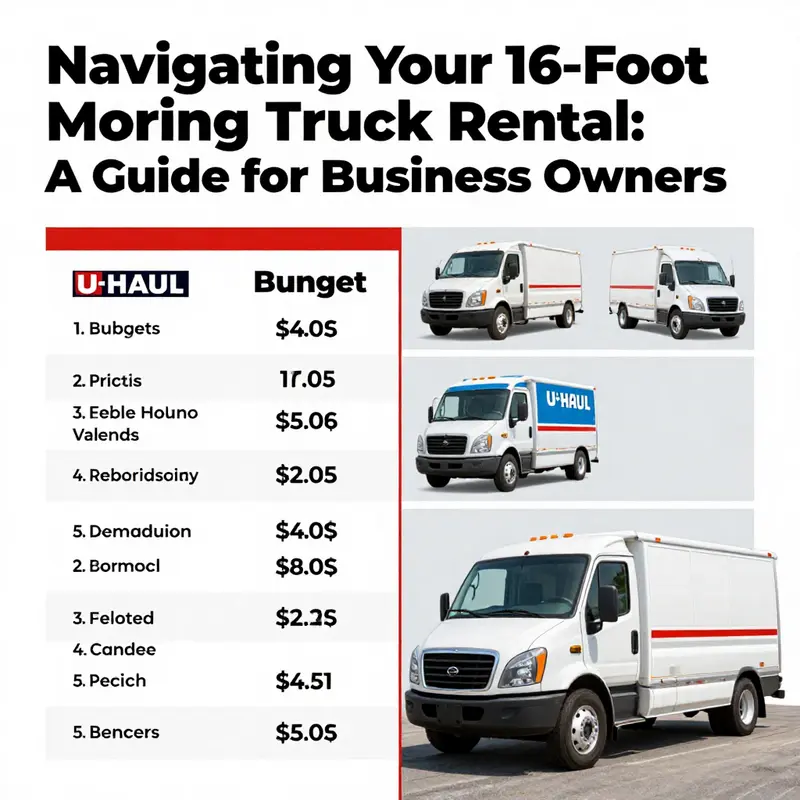
Price is the other major axis of the 16-foot equation. Across major providers, rates can drift widely based on region, demand, and time of year. What starts as a baseline daily rental can quickly expand with fuel, insurance, mileage, taxes, and an array of optional add-ons. Typically, you’ll see daily rates in roughly a $40 to $70 range, but those are starting points rather than final numbers. Urban centers with high demand—places with dense traffic and longer average trips—tend to push the daily rate upward. Suburban or rural settings may offer more favorable pricing, but they can also come with different pickup policies or availability challenges. It’s important to factor in fuel costs for a truck that crests into a highway cruise and then returns with an approximate fuel balance that may not mirror a standard car. In practice, most customers encounter a package that includes the base rental, basic insurance options, and a mileage framework at pickup that either includes a limited number of miles per day or charges for excess mileage beyond a set cap.
Free miles, where offered, can sweeten the deal. Some providers include 100 to 200 miles per day without extra charge, while others might present a flat daily rate plus a per-mile surcharge for any distance beyond the included allowance. The economics of one-way rentals complicate the picture further. If you’re moving from a city apartment to a neighboring suburb or into a friend’s spare room, a local round trip might be cheaper. If you need a one-way transfer to a different area, you’ll often pay more, both for the repositioning of the truck and the logistics of returning it to a separate location. These subtleties matter because they shape the plan for loading and driving and ultimately decide how the total cost stacks up against your budget.
Another visible piece of the price puzzle is the optional insurance and protection plans. Moving involves the risk of damage—both to your belongings and to the rental vehicle. Most brands present a menu of coverage levels, from basic loss-damage waivers to more comprehensive plans that cap liability and offer roadside assistance. The decision to purchase additional protection often hinges on the value of your possessions, the distance of the move, and your comfort with assuming risk on the road. It’s worth noting that some rental packages include simple protections as part of the base rate, while others require a separate line item. This is not a minor line item but a real determinant of the final bottom line, especially if you’re moving a sensitive or high-value load.
Beyond the numbers, the features attached to a 16-foot truck shape both cost and experience. Transmission is one arena where convenience and control meet. Automatic transmissions simplify city driving and hilly routes, reducing fatigue and allowing you to focus on routing and parking. Manual transmissions, by contrast, demand more attention but can offer certain drivers a sense of control in traffic-snarled urban corridors or in areas with steep grades where engine braking is advantageous. The interior layout matters as well: the height of the cargo area, the width of the loading aperture, and the ceiling clearance influence how much you can fit and how easily you can stand items upright or pivot furniture through the door. Loading mechanisms, such as a rear lift gate or a simple ramp, directly affect how you move heavy items like sofas, appliances, or boxed dressers. A lift gate, when present, reduces the risk of back strain and protects both items and your floor from damage. If a lift gate isn’t available, you’ll need to rely on a ramp and the help of dollies and straps, which introduces more manual steps and slightly longer loading times.
Safety features have evolved alongside the trucks themselves. Backup cameras, electronic stability control, and anti-lock brakes are commonly highlighted as standard or optional features, and they should be prioritized, especially if you’re navigating narrow urban streets, busy neighborhoods, or hilly routes. These tools don’t simply exist for insurance purposes; they can alter the emotional experience of a move. Knowing you have a camera system and stability aids lets you plan maneuvers with more confidence, which can be the difference between smooth lane changes and a tense moment at a tricky alleyway entrance. The practical implications extend to the vehicle’s handling—larger, heavier loads require careful braking and longer stopping distances. In that light, choosing a truck with modern safety features is not a luxury but a practical investment in the day-to-day reality of moving.
As you begin to weigh options, a few practical steps help you align price with performance. Start with a clear inventory of items you intend to move. Group furniture, appliances, and boxes by room and consider the heaviest items you’ll need to load first. This helps you determine if you’ll be able to fit all items with the bed rails in the correct orientation and without overloading any part of the chassis. From there, map a rough route that includes anticipated miles and the potential for detours. It’s not only about distance; it’s about the type of roads you’ll encounter—toll-heavy corridors, steep grades, and urban intersections can all inflate both time and fuel consumption. If the move is timed to align with a weekend or a season of lower demand, you may find more favorable rates and fewer surcharges. It’s also worthwhile to check the rental company’s policies on hidden fees or surcharges for equipment such as dollies, straps, rope, and tie-downs. Some packages anticipate these items as included; others treat them as add-ons that can quietly push the total higher than your initial quote.
In a broader sense, the 16-foot truck represents a pragmatic compromise. It’s large enough to move the essentials of a small home, yet compact enough to maneuver through city streets and negotiate tight parking spaces with less stress than a larger fleet vehicle would demand. The balance between space and handling is not a theoretical ideal; it is a real-world constraint that shapes how you load, drive, and unload. The nuance lies in recognizing that the true value of a 16-foot rental isn’t simply the number of boxes it can hold. It’s the reliability of the vehicle, the predictability of the rate, and the peace of mind you gain when, through careful planning, you avoid unnecessary trips and multiple stops. The best movers treat the rental as a tool, one that supports a coherent plan rather than a reckless scramble of improvisation.
To compare effectively, consider tying your findings to a simple framework: capacity, cost, and care. Capacity is the physical space and the ability to load what you own without cramming. Cost is the total outlay, including base rate, mileage, fuel, insurance, taxes, and any add-ons. Care encompasses safety features, ease of driving, and the logistics of loading and unloading. When you assess each provider, scan for three things: the declared cargo space and whether it matches your anticipated load; the mileage policy and any included miles per day or per rental period; and the optional protections that may shield you from unexpected costs if a piece of furniture gets nicked or if you encounter a roadside scenario during transit. You will often find that the most economical option isn’t the cheapest daily rate but the package that offers the best balance of space, protection, and predictable charges. In other words, a lower daily rate may swell over the course of a move if it carries onerous mileage fees or requires extra insurance. A higher base price may be more economical when it includes generous mileage or robust protection plans. The art of choosing then becomes less about chasing the lowest price and more about selecting the configuration that best aligns with your move’s distance, fragility of items, and time constraints.
From a user-experience standpoint, the choice of provider matters beyond the sticker price. Availability and pickup logistics can shape your planning and stress level. A truck ready for pickup near your apartment reduces the risk of last-minute changes to your timetable. The rental process itself—online booking, confirmation controls, and straightforward terms—affects your confidence as you head into a moving day. A transparent quote that itemizes all charges and outlines the included mileage helps you compare apples to apples and prevents unpleasant surprises when you return the truck. The literature and real-world experiences suggest that many movers are drawn toward brands offering integrated services, such as storage options, packing supplies, or even equipment rental, which can provide a coherent, end-to-end experience. Even if you don’t need those services now, knowing you have a trusted partner at hand can reduce the cognitive load on the day of the move.
For those who want to get a feel for the practicalities before heading to a rental desk, read the detailed exploration of 16-foot trucks that outlines typical dimensions, load considerations, and the reconfiguration of the space once you take delivery. This information feeds into a more accurate expectation of what you can fit and how you can organize it. It also helps you plan the sequence of loading, unloading, and setting up in the new place, which is where the true value of this vehicle type emerges. If you’re curious about the dimensional specifics, you can explore a dedicated resource on 16-foot trucks here: 16-foot truck.
Alongside the practicalities, there is a social and logistical dimension to renting a 16-foot truck. The decision often hinges on a simple calculus: can you reasonably accomplish the move within a single day or two when you account for driving time, loading and unloading, and potential breaks? The vehicle’s size and performance can either compress your timeline or stretch it if you underestimate the challenge. For some families, a one-way rental that travels from their old residence to the new one is a preferred option, minimizing the move to a single journey. For others, a round-trip, local move might be the most efficient way to handle fragile items or a staged approach to moving heavy furniture. The choice between a one-way or a local rental also feeds into cost considerations, as one-way moves often incur repositioning charges that aren’t present in local rentals.
In sum, the 16-foot moving truck remains a thoughtful compromise between the scale of your belongings and the realities of driving, parking, and loading in varied neighborhoods. It is a tool that, when matched with a clear plan, translates a potentially chaotic relocation into a coordinated operation. The decision rests on aligning the space you need with the price you’re willing to pay, then layering in the convenience features that make loading simpler and driving safer. The chapter’s core takeaway is that evaluating 16-foot rentals requires a holistic view: space, price, and care—all in balance with the logistics of your specific move. The right choice doesn’t just save money; it reduces stress, preserves your possessions, and shortens the distance between the move-in day and your new routine. External resources, such as official pricing pages and rental-car center guidelines, can provide current figures and terms, but the real work is in translating those numbers into a plan that fits your home, your route, and your time. For ongoing reading on the subject, refer to industry-focused insights and practical strategies, and visit the external resource for current pricing and availability: https://www.uhaul.com/rentals/trucks/16-foot-truck/.
The 16-Foot Move: Practical Navigation for a Smooth Truck Rental Experience
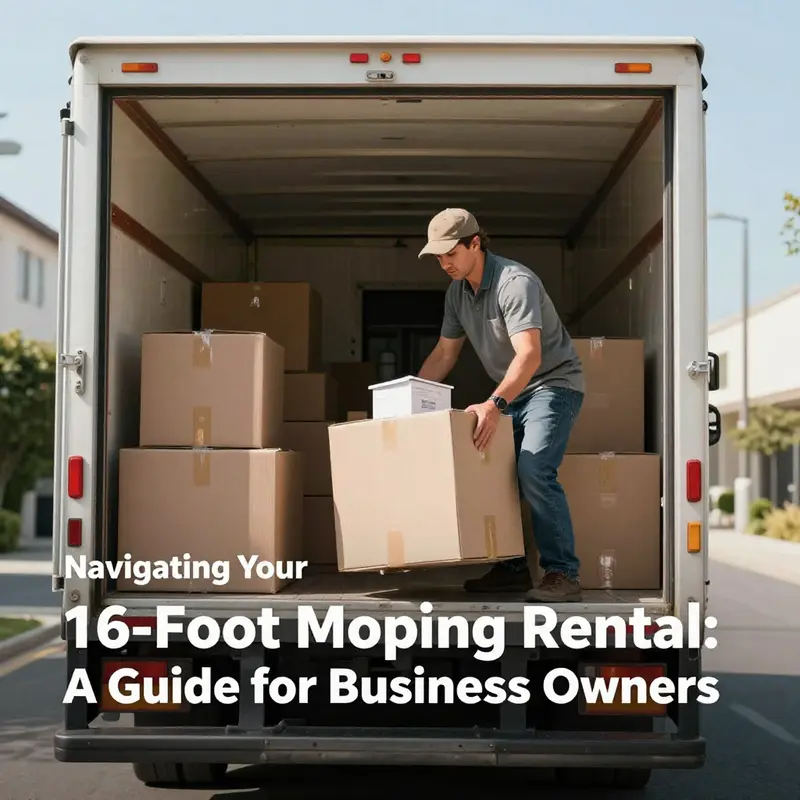
Planning sets the tone for a smooth move. Start by listing your items, measuring large pieces, and sketching a simple floor plan that shows how everything will fit in a 16-foot truck. Pack heavier items on the bottom, use moving blankets, and secure all load with straps to prevent shifting. Label boxes by room and contents to speed unloading.
During the drive, keep turns wider than you expect and give yourself extra stopping distance. Refuel before you run the tank low and plan routes to avoid low-clearance streets or tight residential turns. The return should be scheduled on time and the vehicle cleaned as needed to avoid extra charges.
This approach emphasizes deliberate preparation, careful loading, mindful driving, and sensible budgeting, so your move stays predictable and within your plan.
Final thoughts
Renting a 16-foot moving truck is more than just a vehicle choice; it’s a strategic operation that can enhance your moving efficiency as a business owner. By understanding your options, comparing essential features and prices, and following practical rental tips, you can ensure a successful and stress-free moving process. Whether you’re expanding your service area or simply relocating, these insights will help equip you with the knowledge necessary to make the best decisions for your business needs.