
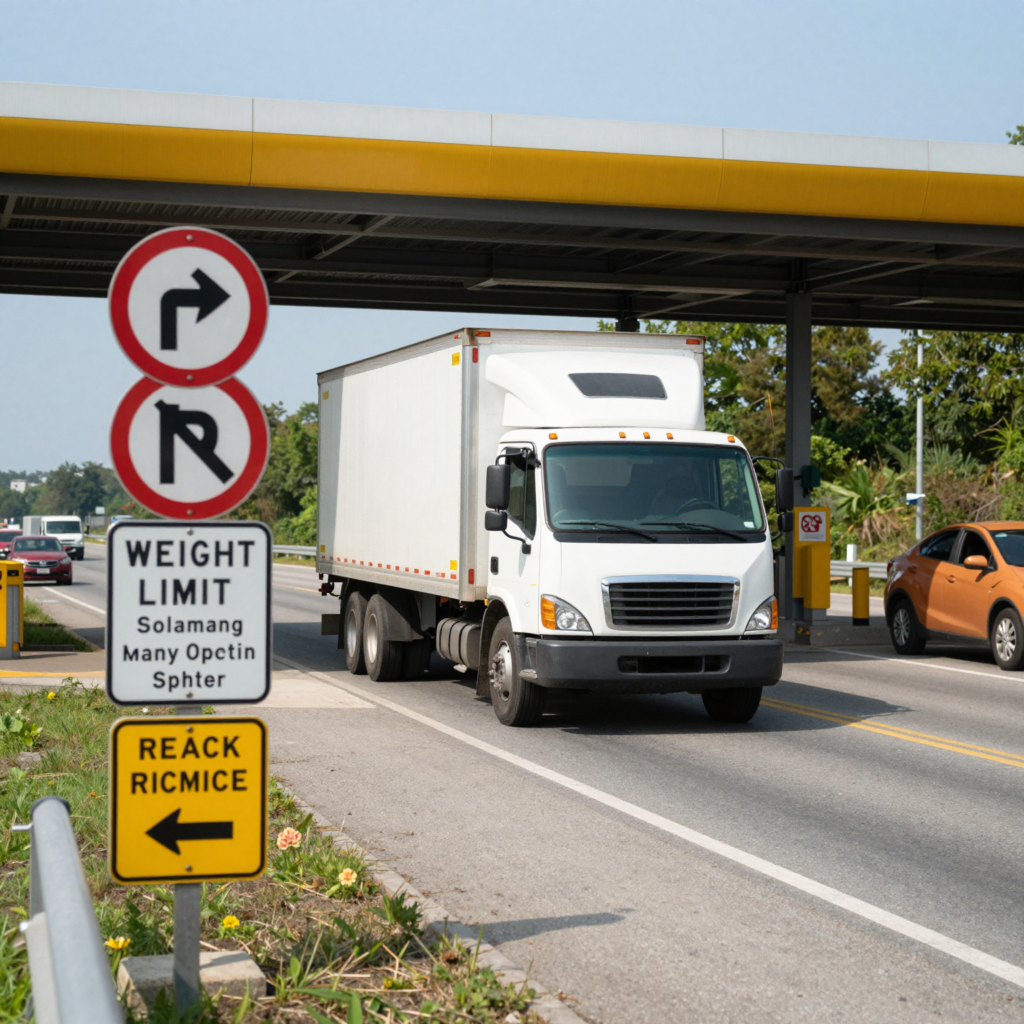
As the demand for rental trucks continues to rise, especially among business owners seeking efficient transport solutions, understanding the regulations surrounding weigh stations becomes essential. Rental trucks, often used for moving goods or accommodations during relocation, are subject to various state and federal regulations that ensure safety and compliance. This is particularly critical for businesses that operate on tighter margins and schedules.
Imagine setting out on a crucial delivery, only to be delayed by unexpected weigh station checks. Not only can it slow down operations, but it can also incur additional costs if your trucks exceed weight limits. This article will delve into the importance of knowing whether rental trucks need to stop at weigh stations, equipping business owners with the knowledge they need to avoid costly pit stops and ensure smooth operations. To explore more about rental truck regulations, learn more here.
Weigh stations are strategically located areas where large trucks and commercial vehicles are required to stop and be weighed. Their primary purpose is to ensure that these vehicles comply with legal weight limits as set by federal and state regulations. Overweight trucks can cause significant damage to roadways and bridges, emphasizing the importance of these inspections in maintaining public infrastructure and promoting safety on the roads.
Regulations and Compliance
The regulations governing the weight limits for commercial vehicles are crucial for several reasons:
-
Infrastructure Protection: Heavier trucks can accelerate the deterioration of roads and bridges, leading to costly repairs and potentially dangerous conditions. By enforcing weight limits, weigh stations help preserve the integrity of transportation infrastructure.
-
Safety Promotion: Overloaded vehicles are at higher risk for accidents due to handling difficulties and longer stopping distances. Compliance with weight regulations ensures safer roads not only for drivers of large trucks but also for smaller vehicles and pedestrians.
-
Fair Competition: By enforcing weight limits, weigh stations help maintain a level playing field among carriers. This prevents unfair practices where some trucking companies might overload their vehicles to reduce costs, gaining an advantage over those that comply with regulations.
Application for Rental Trucks
Understanding the implications of weigh stations is particularly critical for business owners who rent trucks. When renting a vehicle, especially a larger model designed for carrying significant loads, awareness of weight limits is essential. Here’s why:
-
Avoiding Penalties: Rental truck users must be aware that failure to comply with weight regulations can lead to fines and penalties. If a rental truck is found to be overweight, the rental company could also hold the driver accountable.
-
Safety and Liability: Overloading a rental truck can compromise safety, increasing the chances of an accident. Understanding weight limits helps mitigate risks, ensuring that the rented vehicle operates within safe parameters.
-
Logistical Planning: For businesses that depend on transportation, knowing the limitations of their rental trucks helps in planning loads effectively, optimizing routes, and minimizing the risk of disruptions caused by unexpected weigh station stops.
As a resourceful business owner, familiarizing yourself with the function and regulations surrounding weigh stations can not only save you money through compliance but also enhance the safety and efficiency of your transportation practices. For more insights on vehicle selection for your needs, learn more about moving truck options.
By being proactive regarding weigh station regulations, you can ensure safer travels and protect your business from unnecessary liabilities.
Do Rental Trucks Stop at Weigh Stations?
When it comes to rental trucks, understanding weigh station requirements is essential for business owners who frequently transport goods. Here’s a detailed comparison of various truck types, including box trucks and cargo vans, focusing on their requirements regarding weigh stations and weight limits.
Truck Types and Weigh Station Requirements
| Truck Type | Maximum Weight (GVWR) | Weigh Station Requirement |
|---|---|---|
| Box Truck | >10,000 lbs | Must stop at weigh stations if over 10,000 lbs |
| Cargo Van | >10,000 lbs | Generally must stop if used commercially above 10,000 lbs |
| Pickup Truck | >10,000 lbs | Must stop at weigh stations if used for commercial purposes and over 10,000 lbs |
| Flatbed Truck | >10,000 lbs | Required to stop at weigh stations |
Key Regulations
- General Rule: Vehicles over 10,000 pounds Gross Vehicle Weight Rating (GVWR) typically must stop at weigh stations. This is part of compliance with both state and federal regulations.
- Random Inspections: Even if the truck is not over the weight limit, vehicles can be subjected to random checks by law enforcement, particularly if they suspect overloading.
Business owners should ensure their rental trucks comply with local regulations regarding weight limits and weigh station requirements. This helps maintain safety standards and avoid potential fines. For more specifics on rental trucks, learn more about Penske truck rentals and their compliance with regulations.
Laws Regulating Weigh Stations and Trucks
The regulation of weigh stations impacts all trucks, including rental vehicles, in significant ways. At the federal level, the Federal Motor Carrier Safety Administration (FMCSA) mandates that commercial motor vehicles (CMVs) operating in interstate commerce must stop at weigh stations when directed by either law enforcement or automated systems. This applies to many rental trucks, especially those with a gross vehicle weight rating exceeding 10,000 pounds. Additionally, it’s critical for business owners to recognize that the purpose of use dictates whether a rental truck must comply with these regulations. More specifically, rental trucks used for transporting goods for hire automatically fall under federal oversight and must adhere to weigh station rules. Learn more about weigh station requirements.
State laws may further complicate this framework, introducing additional requirements. While federal laws set the baseline, many states enforce their own protocols for trucks passing through weigh stations. Some states require all CMVs to stop at weigh stations along major highways, while others utilize automated screening systems to determine which trucks to pull over. Failure to stop at weigh stations when required can lead to serious penalties, including fines and even impounding of the vehicle.
It’s also important to highlight that personal-use rentals are usually exempt from these federal and state regulations. However, if a driver cannot prove the non-commercial intent, they may still be subject to compliance checks during inspections. For business owners utilizing rental trucks for commercial transport, maintaining proper documentation, such as DOT registration and driving logs, is crucial to avoid penalties. Overall, understanding these laws is essential for ensuring compliance and operational efficiency when using rental trucks for business purposes. Read more on rental truck regulations.
Understanding the Weigh Station Process
A weigh station is essential for ensuring that trucks comply with weight regulations, which is crucial for road safety and infrastructure longevity. When driving a rental truck, it’s important to understand that these vehicles are typically required to stop at weigh stations, especially if they exceed certain weight limits. Rental truck companies must adhere to these regulations to avoid penalties.
Typical Weigh Station Layout
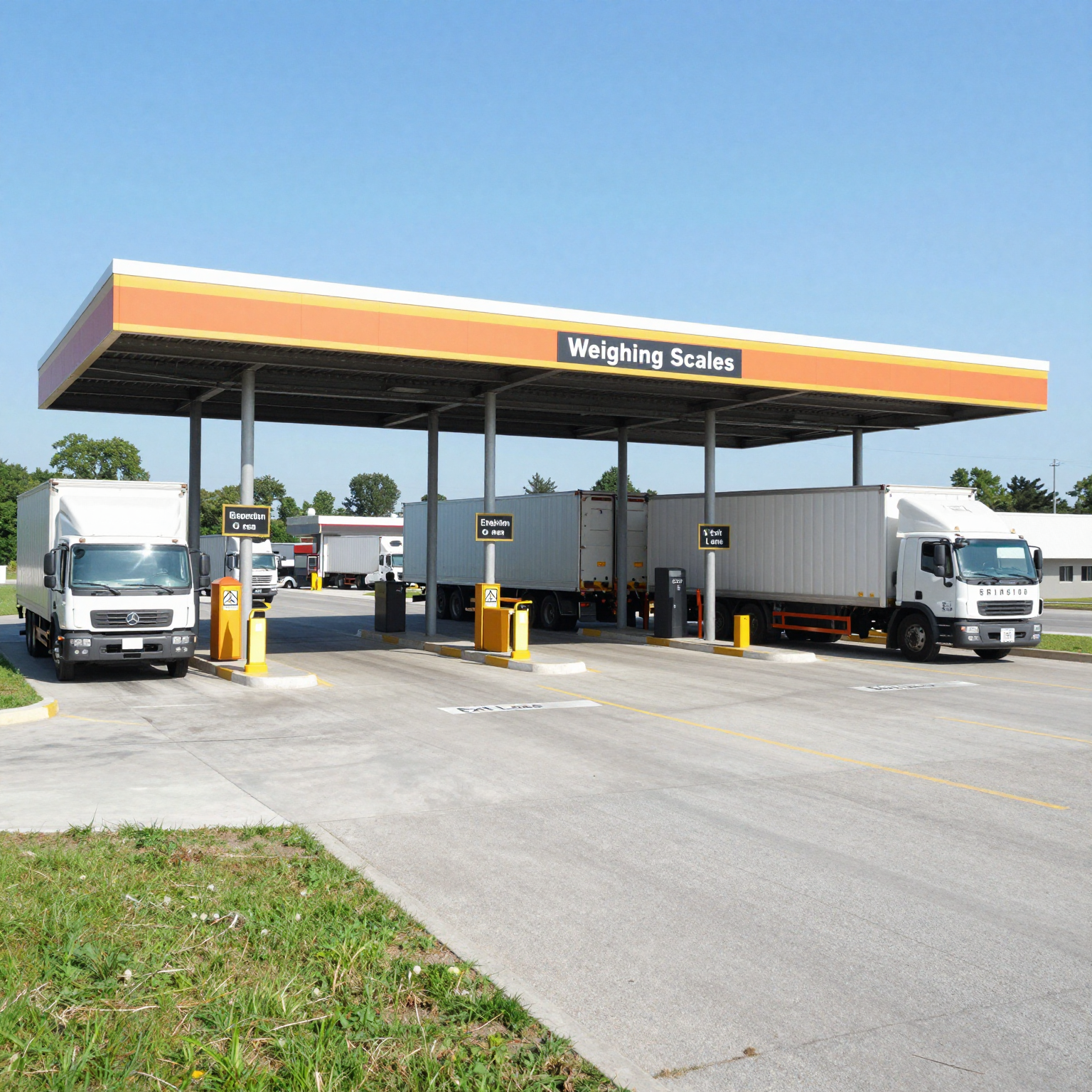
A typical weigh station consists of designated lanes for trucks to enter, scales for weighing, and areas for inspections. The process usually follows these steps:
- Entry Lane: Trucks approach the weigh station and are directed into the appropriate lane.
- Weighing Scales: Trucks are weighed on the scales to ensure they meet weight regulations.
- Inspection Area: Some trucks may be inspected further for compliance with safety and operational standards.
- Exit Lane: After the weighing and inspection process, trucks exit the station.
To provide a visual overview, here is an image illustrating a typical weigh station layout:
Understanding the process and layout can help minimize delays and ensure compliance during your journey. For more insights, you can learn more about your rental options or discover how to navigate the rental process.
Case Studies: Experiences with Rental Trucks at Weigh Stations
Rental trucks have become an essential tool for many small business owners, especially when it comes to logistics and transportation of goods. However, navigating the regulations at weigh stations can be a daunting task. Here, we delve into some real-world experiences shared by business owners that illuminate the challenges and insights associated with rental trucks at weigh stations.
The Unexpected Weigh Station Stop in Ohio
A small logistics company owner in Ohio rented a 26-foot truck for a relocation project. She had been informed by the rental company that she wouldn’t need to stop at any weigh stations since it was a personal move. However, while driving, she was unexpectedly directed to a weigh station. Upon arrival, the station attendant explained that due to her truck’s size and the nature of her business, she was subject to weigh station regulations.
Lesson Learned: Always carry proof of rental contracts and know your truck’s weight classification. It’s best to verify local regulations because exemptions can vary widely from state to state. This owner now advises others to download real-time tracking apps like TruckMate, which help identify weigh station locations and related regulations.
California Confusion: A Heavy Load
A furniture delivery service operating in California faced significant challenges when they rented a truck that exceeded 10,000 pounds. On returning from a delivery, the driver received a citation for failing to stop at a weigh station. The business owner had assumed that, as a rental truck, it would be exempt. Instead, he learned that California has strict requirements for all vehicles above this weight, regardless of their rental status, if they’re used commercially.
Insight Gained: It’s crucial to familiarize yourself with the specific laws in states where you operate. The business now ensures its drivers are educated about local weigh station regulations to avoid costly mistakes and downtime.
Texas Trucker’s Strategy
In Texas, another small business owner operating a materials supply company often rented trucks for moving heavy construction materials. Initially, he assumed these trucks could bypass weigh stations as long as they were rented for personal use. After being stopped during one trip, he realized he could be fined for failing to comply with the stop mandated for commercial vehicles. This prompted him to develop a strategy:
- Documentation: Always carry documents that prove the truck is being used for personal purposes when it actually is.
- Planning Routes: Use apps like Road Rules to plan routes that avoid weigh stations wherever possible.
Summary of Insights
The insights drawn from these anecdotes emphasize the need for:
- Education on Local Laws: Regulations regarding weigh stations vary significantly from state to state. It’s essential to familiarize yourself with local rules (for example, California and Texas maintain stricter regulations on weigh stations).
- Preparation: Always have the rental agreement handy and know your truck’s size and weight. Business owners should also consider using technology, like apps designed for truck routes.
To better understand weigh station requirements across various states, check out resources from the Federal Motor Carrier Safety Administration. Understanding these regulations helps business owners avoid unnecessary hassles and keeps their operations running smoothly.
For more in-depth discussions on truck rental logistics, visit our blog on Penske’s rental options.
Best Practices for Rental Truck Drivers at Weigh Stations
When approaching weigh stations, rental truck drivers should adhere to the following best practices to ensure safety and compliance:
- Know the Regulations: Familiarize yourself with the specific weight limits and requirements in each state you’ll be traveling through. For detailed guidelines, read Weigh Station Regulations and Compliance.
- Check Your Weight: Before entering a weigh station, ensure your truck and cargo are within the legal weight limits to avoid penalties or delays.
- Prepare Your Documentation: Have all necessary documents ready, including your driver’s license, registration, and any permits, to expedite the weighing process.
- Use Technology: Consider using PrePass or other electronic bypass systems if your vehicle qualifies, allowing you to skip stops at weigh stations.
- Maintain Your Vehicle: Regularly check your truck’s condition to prevent mechanical issues that may affect weight or compliance at weigh stations.
- Stay Calm and Patient: Approach the station with caution, follow instructions, and be prepared to wait during busy periods.
Conclusion: The Importance of Understanding Weigh Station Regulations for Business Owners
In conclusion, the topic of whether rental trucks stop at weigh stations is crucial for business owners who utilize these vehicles for transportation and logistics. It is essential for operators to understand the regulations surrounding weigh stations as they play a pivotal role in maintaining road safety and compliance with state and federal laws. Weigh stations serve as checkpoints that enforce weight limits and help ensure that commercial vehicles do not exceed legal parameters. Violations of these regulations can lead to significant penalties, including expensive fines, operational delays, and even legal repercussions that can jeopardize a business’s credibility and operations.
Furthermore, adhering to weigh station regulations also protects infrastructure and promotes safe transit. Keeping trucks within legal weight limits prevents damage to highways and bridges, aligning with broader public safety objectives. In recent years, there has been an increasing trend of drivers evading weigh stations, which poses risks not just to individual businesses but also to the general public. Maintaining awareness about weigh station policies helps mitigate these dangers and fosters a more organized and responsible approach to transportation.
Business owners are encouraged to stay informed about current regulations, as they are subject to change. Utilizing technology such as onboard weighing systems can assist in avoiding violations by monitoring cargo loads proactively before reaching weigh stations. Staying knowledgeable about these regulations not only ensures compliance but also leads to more efficient planning and operation of logistics, reducing overall costs and enhancing the reputation of the business in a competitive marketplace.
For further insights into managing your logistics and understanding the role of different rental truck options, feel free to explore our blog covering essential information for rental truck usage. Apart from that, check out our resource on weighing systems and their significance to enhance your transport strategies.
Do Rental Trucks Stop at Weigh Stations?
Yes, rental trucks, particularly those over a certain weight limit, are required to stop at weigh stations. These weigh stations are crucial for maintaining safety on the roads. They ensure that commercial trucks comply with weight regulations and other safety standards. According to the Federal Motor Carrier Safety Administration (FMCSA), weigh stations are important for multiple reasons:
“Weigh stations help prevent road damage, ensure fair taxation based on vehicle weight, and enhance public safety by identifying unsafe or non-compliant vehicles.” source.
Why Weigh Stations are Essential
- Safety Compliance: Weigh stations help monitor and verify vehicles against legal compliance, which includes weight limits and cargo securement.
- Infrastructure Protection: By regulating truck weights, weigh stations help protect our roadways and bridges from excessive wear and tear that can occur due to overloaded trucks.
- Risk Reduction: They play a vital role in reducing the likelihood of accidents caused by poorly maintained or overloaded vehicles.
For more insights on choosing rental trucks, learn more about our services.
Understanding weigh stations helps business owners ensure they are compliant and safe on the road.
The rental truck market is experiencing significant growth, driven by a rising demand for flexible transportation solutions amidst changing market dynamics. Recent data indicates that the global truck rental market is projected to expand from $152.1 billion in 2026 to $260.9 billion by 2034, reflecting a compound annual growth rate (CAGR) of 6.3%. Factors contributing to this growth include increased logistics needs, the proliferation of electric trucks, and the desire for cost-effective, on-demand transport solutions.
User adoption of rental trucks is notable, particularly among businesses that require adaptability. The U.S. truck rental sector alone was valued at $34.4 billion in 2026, with a demand surge attributed to rising fuel prices and sophisticated fleet management technologies like AI-driven weigh stations, which improve compliance and efficiency at weigh stations. These advanced systems allow businesses to prioritize compliance without significantly hindering operations.
However, weigh stations present operational challenges. Rental trucks must stop for inspections, which can lead to delays and increased transportation costs-particularly detrimental during peak traffic periods. Studies have shown that weigh stations can disrupt travel time reliability, impacting timely deliveries and overall business operations.
In conclusion, the growing adoption of rental trucks offers lucrative opportunities for business owners, but navigating weigh station compliance remains a crucial aspect of operational efficiency. Understanding these dynamics is essential for optimizing rental truck usage and ensuring customer satisfaction in logistics and transportation sectors.
For further insights on rental truck options, consider exploring Penske’s one-way moving truck rentals.