
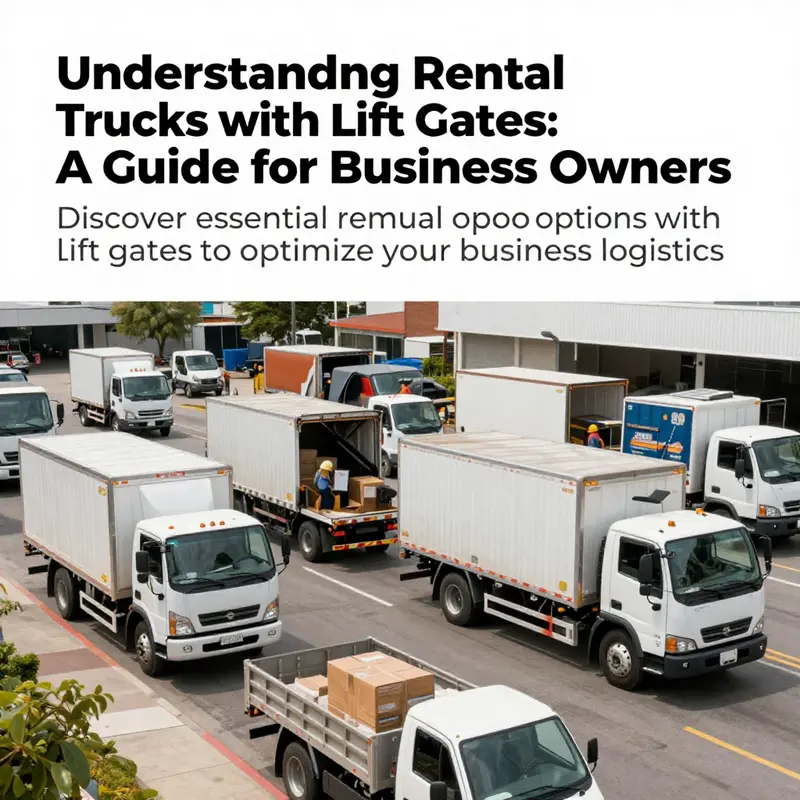
For business owners managing deliveries, the necessity of having the right equipment is paramount. Rental trucks equipped with lift gates can significantly enhance the loading and unloading processes, especially in environments lacking dock access. Whether transporting heavy machinery or large furniture, these trucks facilitate safer and more efficient operations. This guide provides an in-depth look at reputable companies like U-Haul, Enterprise, Budget, and Avis that offer rental trucks with lift gates. Each chapter will explore unique features, availability, and pricing structures, ensuring you select the best option tailored to your business needs.
null
null
Lift Gates on Rental Trucks: A Practical Guide to Safer, Easier Moves
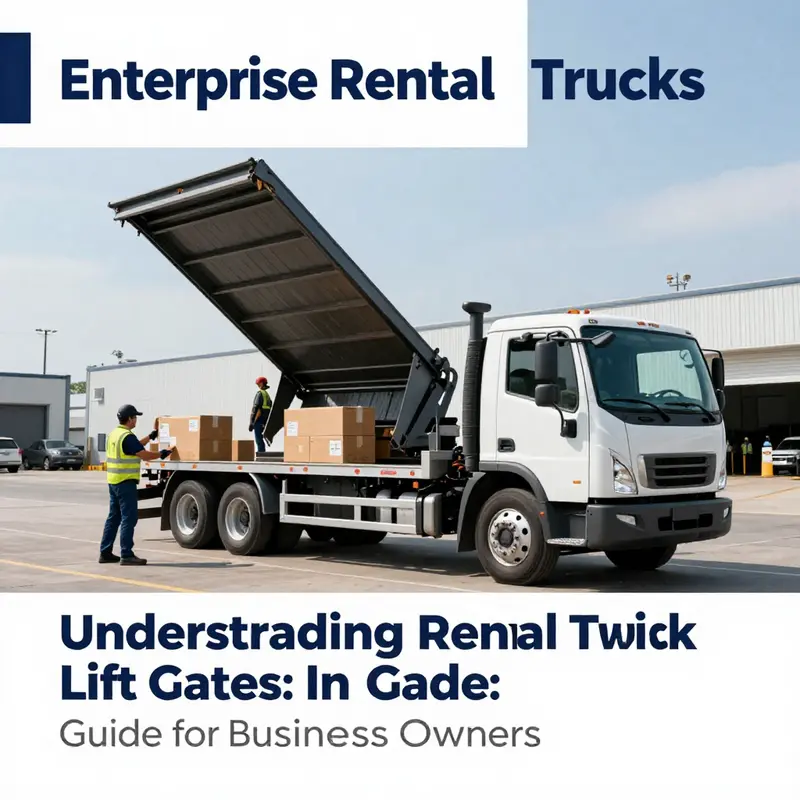
When it comes to moving or delivering heavy items to locations without dock access, a lift gate on a rental truck can change the entire experience. The lift gate is a compact, self-contained platform mounted at the rear of the vehicle that lowers to ground level and raises back up to the truck, allowing bulky boxes, appliances, pianos, and other goods to be loaded or unloaded with much less strain on the body. This feature is not a luxury; for many one-person or small-team moves, it is a practical necessity. It brings accessibility to residential driveways, curbside deliveries, and construction sites where a loading dock simply does not exist. The question that arises in most planning conversations is not whether a lift gate exists in the fleet, but how to choose the right truck and how to use it correctly so that loading and unloading remain efficient and safe from start to finish. In the broader arc of planning a rental truck move, lift gates serve as a bridge between manual labor and mechanical assistance, combining mobility with a controlled, mechanical process that helps prevent injuries and damage to cargo.
To understand the real value of these lift-ready trucks, it helps to picture their typical configurations and the kinds of moves they support. The lift gate is usually paired with a range of truck sizes that are common in rental fleets, from compact, city-friendly models through mid-size movers to larger box trucks capable of a substantial household or small office relocation. The exact size and availability of lift gates will depend on location and inventory, so it is wise to confirm ahead of time. You are most likely to encounter lift gates on models in the size spectrum from about 10 feet to 26 feet, with the lift gate option more frequently offered on larger, box-style configurations designed for bulk cargo. This pairing—larger boxes with a lift gate—creates a versatile solution for moves that involve furniture, appliances, or multiple heavy items that would be difficult to lift onto a normal ramp or stack onto a dolly without assistance. The convenience is especially pronounced when unloading at curbside locations, gated communities, or sites with uneven pavement where a hand truck would struggle to gain traction.
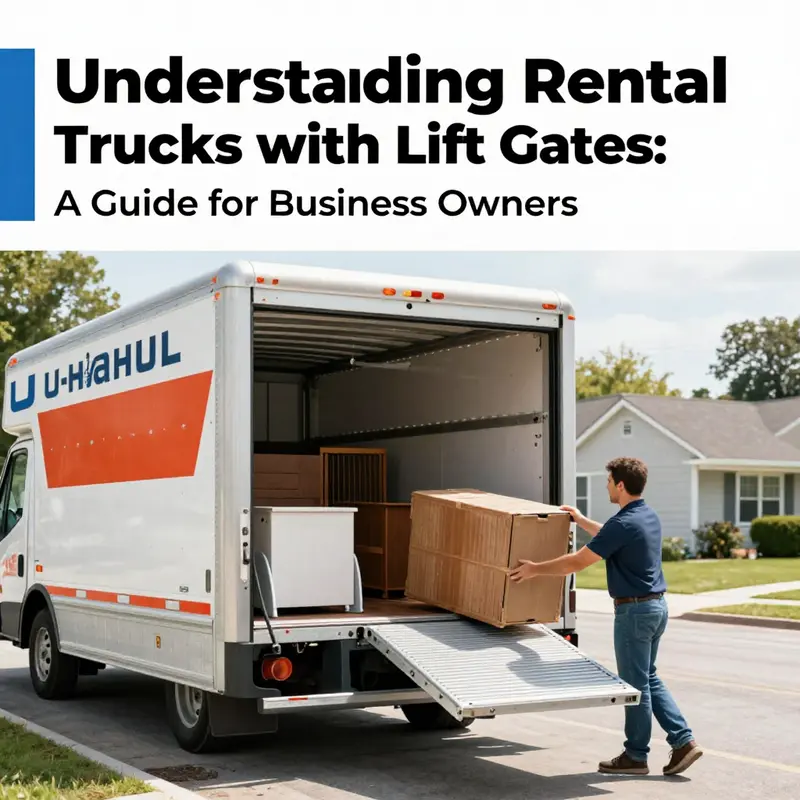
In practice, a lift gate is operated from a control panel located inside the cargo area. When activated, the gate lowers a sturdy ramp to ground level and then raises back up as items are loaded. Some models offer additional safety features, such as interlocks that prevent lowering if the equipment detects an obstruction, or weight sensors that help prevent the platform from carrying more than its rated capacity. This last point—capacity—cannot be overstated. While most lift gates are robust, they still have limitations. Overloading or improper distribution of weight can cause the ramp to bind, the platform to become unstable, or even damage to the gate mechanism. The simplest precaution is to know your cargo’s weight and how it will be distributed across the platform and the vehicle floor. For larger loads, especially those that include multiple heavy items, it may still be prudent to use a pallet jack and moving dollies to spread weight carefully before pressing the lift gate into service.
The practical benefits of lift gate-equipped trucks extend beyond simply reducing manual lifting. They accelerate the loading process by reducing the number of trips needed from the curb to the truck bed and allow a single person to manage loads that would otherwise require two or more helpers. For commercial deliveries to locations without docks or forklift access, a lift gate can be the difference between a smooth, on-time drop-off and a delayed schedule. In residential moves, where stairwells, narrow doorways, or awkward corridors complicate the path from street to living space, the lift gate helps keep large items in their protective wrapping until they reach the intended room. The result is less maneuvering through tight spaces, fewer chances of scratching walls or door frames, and a safer, more controlled loading sequence.
The range of truck sizes typically paired with lift gates keeps the door open for many scenarios. A 10-foot model might be sufficient for a studio or small apartment, especially if most items are boxed and light enough to maneuver with a dolly. A 14-foot or 16-foot truck is often the go-to choice for many households transitioning between residences, striking a balance between payload and maneuverability. On the other end of the spectrum, a 26-foot box truck with a lift gate suits larger households, small offices, or inventory-heavy moves that involve dense furniture, appliances, and numerous boxes. The critical step is to match the size of the vehicle to the volume of cargo and the access constraints at both the pickup and drop-off points. This is not only a question of space but of how much of the loading work you want to delegate to the lift gate and how much you can manage with dollies and helpers. In many cases, the right choice becomes evident after calculating cubic footage and listing the heavy items that will travel with you. If there is doubt, a quick consultation with the rental location can clarify which sizes are typically best for similar moves and how lift gate availability might vary by day or by location.
Alongside the technicalities of selecting a lift gate truck, safety remains the central pillar of any successful operation. A lift gate shifts some of the physical burden away from the operator, but it does not remove risk. The key safety principle is simple: plan, test, and proceed deliberately. Begin with a site assessment. Ensure there is a clear space behind the truck for the lift gate to operate. Remove tripping hazards, secure loose mats or hoses, and verify that the ground is stable and level where the platform will rest. If you are loading on uneven pavement, consider placing planks or mats to provide a firm, level base for the ramp. Always wear protective gear—gloves, closed-toe shoes, and, when appropriate, back support belts. Use proper lifting techniques when handling items to the base of the ramp, and never attempt to pull or push a heavy item up the ramp with a single person. Weight distribution is crucial: lighter items can be stacked toward the front of the pallet or dolly, while heavier items should be arranged to stay balanced as the platform lowers and raises.
Another aspect of safety involves securing cargo before it reaches the lift gate itself. Although the platform is designed to support significant weight, the items moving toward it must be immobilized and stabilized. Straps, moving blankets, and corner protectors help guard both cargo and vehicle against shifting during transit and loading. For items that pose a rollover risk or that are unusually tall, consider using a low-profile pallet or a platform with a broader footprint to improve stability. The use of moving dollies and hand trucks should be integrated into the plan when possible. These tools help transfer weight from the floor to the lift gate with less reliance on lifting technique, reducing the chance of back strain and shoulder injuries. In multi-item moves, it is often safer to load the heaviest pieces first, positioning them near the ramp’s base or on a platform that can be safely elevated, and then advance toward lighter items, ensuring that the center of gravity remains stable during the entire process.
Location dynamics also influence when lift gates are most helpful and when they may be less practical. Some sites lack adequate space or lighting to safely operate a lift gate, or have ground surfaces too soft or uneven to support the weight of a loaded ramp. In such cases, a manual loading approach with a dolly and a helper may be more appropriate, or it may be necessary to schedule an alternative service that provides on-site assistance. Regardless of the situation, communication with the rental location is essential. Confirm that the chosen truck model comes with a lift gate, confirm the maximum payload the gate can handle, and confirm any service charges associated with the lift gate option. Fees vary by location and provider, and they can appear as a per-day add-on, a one-time delivery surcharge, or a percentage of the base rental rate. Being clear about these costs in advance helps prevent sticker shock on pickup day and supports an accurate move budget. In practice, most locations require advance notice for lift gate-equipped trucks, because these vehicles are in high demand and are not always part of the standard fleet in every depot.
For people organizing a move, a simple, practical rule of thumb can help: estimate the number of trips you would need without a lift gate, then compare that to the number of trips required with the lift gate, plus the time saved in each trip. Multiply by the crew size you expect to have available, and add a margin for maneuvering around stairs, doorways, and tight corners. In many situations, the lift gate translates into fewer trips, less hustle, and a shorter moving window. The resulting time savings can be enough to justify the added cost of the lift gate option, especially when you factor in the potential for reduced risk of injury and damage. If you plan to move items that require extra protection, such as a large refrigerator or a glass-front display case, the extra care and staging time that a lift gate supports can pay dividends in both safety and finish quality.
It is also worth noting that some moves involve multiple sites or a deliveries-only scenario where the driver’s assistance is limited to a lift gate and basic loading. In these cases, you might be asked to sign an agreement that limits the crew’s responsibility for certain types of damage to items that protrude beyond the standard loading envelope. This is not a negative reflection on the service; it is consistent with how professionals manage risk when handling unusually shaped or fragile cargo. The important piece remains: read the terms carefully, understand what is included with the lift gate service, and verify the exact capabilities of the vehicle you will be using. A well-informed renter is better prepared to optimize the use of a lift gate and to coordinate a safe, efficient loading plan with any helpers or professional movers involved in the process.
As you finalize plans, a practical tip is to view the truck’s layout and features ahead of time. In addition to the lift gate, some trucks provide interior lighting, ample cargo space, and even tailgates that can assist with end-to-end accessibility. These features can matter when you are moving during hours with limited daylight or when you must access the cargo area quickly for staging and organization. The combination of lift gate reliability and thoughtful interior features is what often distinguishes a smooth move from a challenging one. To integrate this chapter with your broader reading, consider how a dedicated guide on specific truck configurations can help you match your needs to the right vehicle. For example, if you are curious about a common size option and the details it offers, you can explore our deeper dive on the 16-foot moving truck category, which provides a closer look at capacity, floor space, and handling characteristics. 16-moving-truck
In preparing for a lift gate-equipped rental, an important practical step is to reserve the vehicle online, where you can check real-time availability, pricing, and optional services such as insurance or delivery. The online reservation process typically includes a selectable add-on for the lift gate, with a transparent display of any associated daily or per-use fees. Since lift gate availability can vary by location and demand, it is prudent to secure the truck well in advance of your move date, especially during peak seasons. If you encounter any difficulties with the online system, a quick phone call to a local depot can confirm whether the vehicle you need is in stock and whether there are any specific site constraints that could affect its use. The ability to compare different truck sizes while keeping the lift gate option in sight makes the decision process more straightforward and helps you optimize your move from the outset. In short, lift gates on rental trucks are more than a feature; they are a practical tool that, when used thoughtfully, can reshape the logistics of loading and unloading, reduce physical strain, and expand the range of locations where you can move with confidence.
As you read, you may find it helpful to connect this content with broader guidance on choosing the right moving truck for your needs. The larger arc of this topic includes not only lift gate availability but also vehicle stability, maneuverability, fuel efficiency, insurance considerations, and the timing of pickup and delivery. When the lift gate is part of a well-planned plan, it becomes a partner in your move rather than a last-minute addition. Maintaining focus on safety, scheduling, and proper loading practices ensures that the lift gate remains a reliable tool throughout the move—one that helps you navigate stairs, curbside loading zones, and entry doors without compromising the integrity of your cargo or the health of your moving team. For readers who want to explore related vehicle configurations and how different truck dimensions influence load planning, you can consult further resources on general moving-truck capabilities and how to map your inventory to the right vehicle size. The goal is to approach the rental decision with clarity: lift gates are a capability, not a guarantee, and the best outcomes arise when you verify availability, size, and weight limits before the move day.
External resource: lift gate-equipped rental trucks offers a broad overview of lift gates as part of truck rental choices and can help you compare general capabilities and safety considerations across fleets. This reference is intended to complement the practical guidance in this chapter and provide a broader context for planning a move that relies on lift gate-equipped trucks to manage heavy cargo with confidence.
Lifting the Load: Budget and Avis Lift Gates for Safer Moves
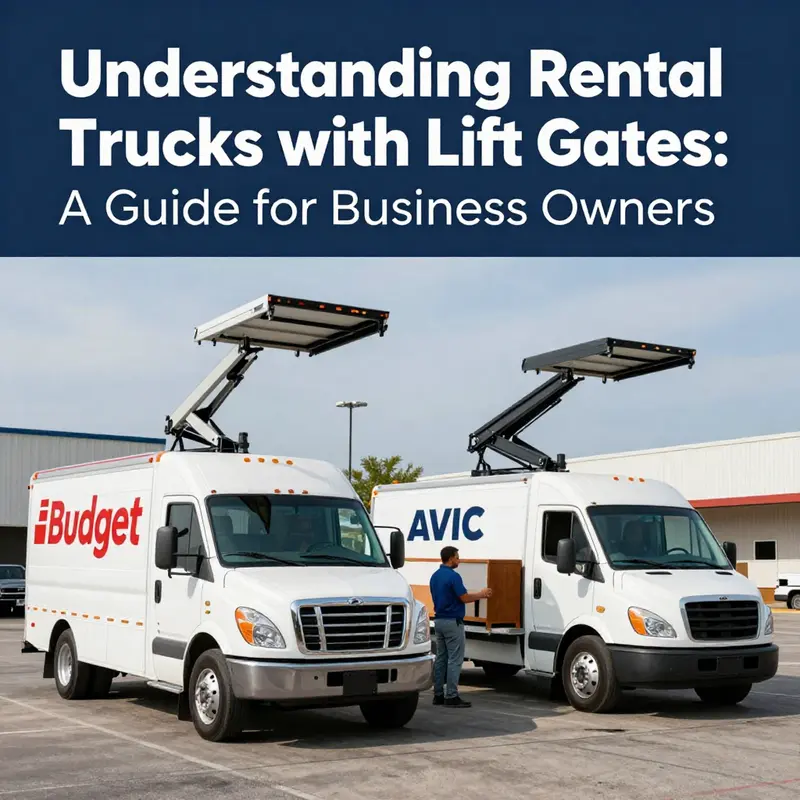
When planning a move or bulky delivery without dock access, a lift gate on a rental truck is more than a convenience—it is a practical tool for reducing strain, protecting items, and speeding up the process. Budget and Avis offer lift-gate equipped options, but availability varies by location and vehicle type. Budget Truck Rental clearly markets lift gates on its 26-foot box trucks, making it easy to load heavy furniture, appliances, and bulk shipments from ground level onto a level platform that lowers or raises with control. The ramp paired with the lift gate expands versatility, enabling you to create a gentle incline for dollies and pallets and to complete the load with less physical effort. Avis, known for its car and light-commercial rotations, also offers lift gate capability on select larger vans and cargo configurations. Because lift gates are not guaranteed at every branch or on every vehicle, plan to verify availability when you book and, if possible, request lift gate access in advance. Some locations may charge a small daily add-on or include it as part of a higher-tier package. The key is proactive planning: confirm the feature, understand any related fees, and ensure the chosen truck truly has a lift gate on the pickup date. In practical terms, lift gates influence how you schedule a move, where you stage items, and how you budget for labor and insurance. They are especially valuable for heavy or awkward loads that would be risky to haul manually, and they can reduce required personnel on the day of loading and unloading. Always pair the lift gate with proper safety practices—stress the importance of securing items with straps, using a dolly or pallet jack, and keeping a clear path from curb to truck. As you compare Budget and Avis, consider how frequently you move heavy items, the typical distances you must cover, and whether dock access is reliably available at your destination. This framing helps you decide whether Budget’s explicit lift-gate emphasis on their 26-foot box trucks matches your needs or whether Avis’s select lift gate configurations align better with your travel and storage realities. Finally, keep in mind that fleets evolve, so always confirm lift gate status for your exact vehicle and location at the time of booking and request written confirmation whenever possible. With careful planning and a clear understanding of location-specific availability, lift gates can make heavy loads safer, faster, and more predictable to move.
Final thoughts
When selecting a rental truck equipped with a lift gate, business owners can alleviate many logistical challenges associated with heavy item transport. U-Haul, Enterprise, Budget, and Avis provide tailored solutions to meet diverse transportation needs. By understanding the capabilities and conditions of each provider, businesses can ensure efficiency and safety in their operations. Invest in the right equipment, and elevate your logistics processes to successfully meet your operational goals.