
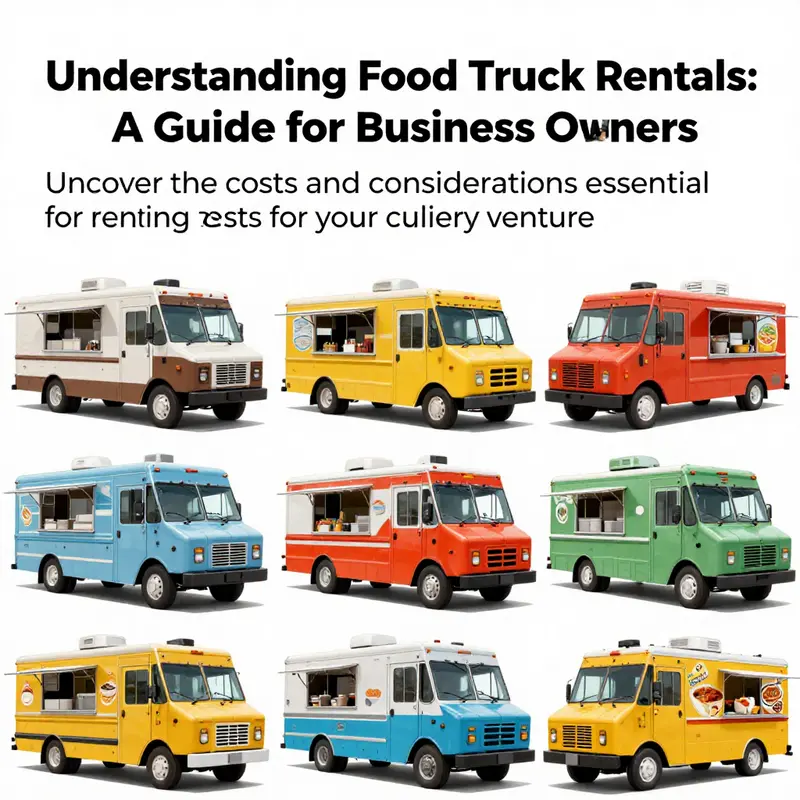
Renting a food truck can be a significant move for business owners looking to tap into the vibrant mobile food industry. Understanding the associated costs is crucial in making informed decisions. This guide breaks down the various rental options available, helping you navigate through basic utility trucks, full-featured trucks, and specialty options. Each chapter offers insights into pricing structures, considerations for your business, and factors that influence rental costs, arming you with the knowledge needed to choose the best solution for your needs.
Rent, Return, and Revenue: Navigating the Real Cost Landscape of a Basic Utility Food Truck
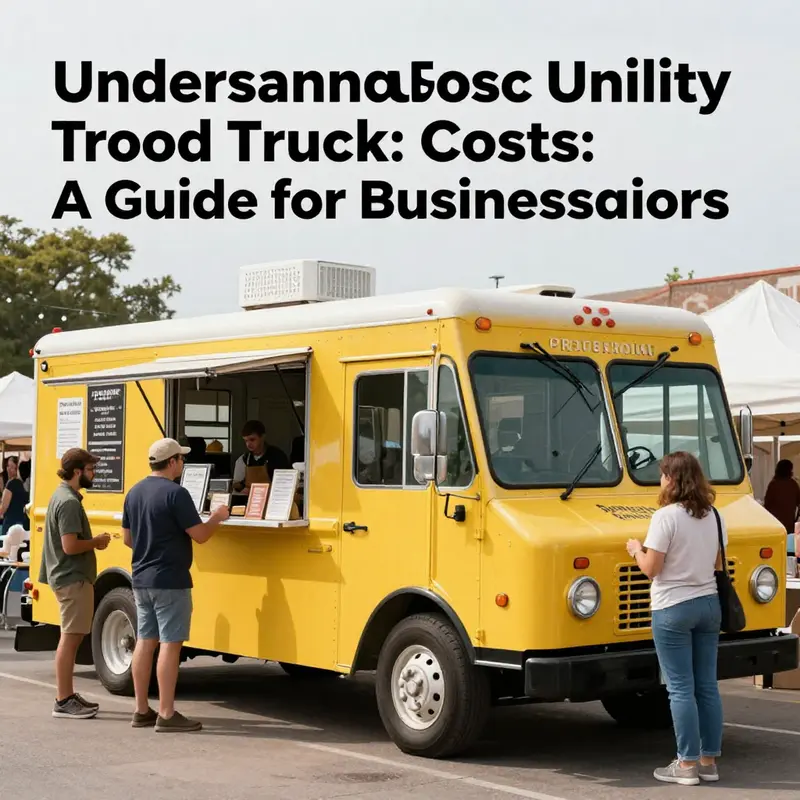
Stepping into mobile food service often starts with a practical question: how much is a food truck rental? The instinct is to fixate on the monthly rent, but a prudent operator looks beyond the sticker price to understand how that cost fits into a wider financial and operational system. A basic utility food truck—the kind that offers a compact kitchen with a griddle, fryer, refrigerator, sink, and the necessary storage—presents an accessible entry point for many aspiring vendors. Yet even at the most modest end of the spectrum, the rental price is just one line in a larger ledger that includes insurance, maintenance, fuel, permits, and the ongoing investments needed to craft a brand that people notice in crowded urban spaces or at bustling events. When planning a mobile venture, it helps to imagine the journey from the moment you sign a contract to the day you measure profit against every mile traveled and every customer served. The numbers are not a barrier in themselves; they are a map that guides choices about location, equipment level, and the tempo of operations.
To begin, the rental itself sits at the center of the budget. A basic utility unit typically costs between roughly $1,500 and $4,000 per month, with the exact figure hinging on the truck’s size, condition, and the level of equipment included. In many cases, a fully equipped kitchen is bundled into the monthly rate, which means the operator can start cooking and serving without the heavy upfront investment that purchasing a vehicle and outfitting it from scratch would demand. The core appliances that usually travel with the rental—griddle, fryer, refrigerator, sink, and a reasonable amount of storage—form the foundation that makes a menu feasible on wheels instead of in a brick-and-mortar kitchen. This bundling matters, because it shifts the financial risk away from capital expenditure and toward operating flexibility. For someone testing a concept at farmers markets or neighborhood events, the lower-end rentals can provide a low-risk, scalable way to explore demand before committing to more expensive, purpose-built units.
But the rent is only the opening chapter. Insurance, a recurring necessity, can add several thousand dollars a year, often ranging from $1,000 to $3,000 depending on coverage limits, the operator’s location, and the specifics of the operation. Insurance is not a one-and-done cost; it is a living line item that must be renewed and adjusted as the route, menu, or staff changes. Then there is maintenance and repairs, which do not vanish with a warranty. Refrigeration units demand vigilance, engines need regular checkups, and minor failures can cascade into costly downtime if not addressed promptly. A prudent budget reserves a monthly slush fund for unexpected breakdowns, seasonal wear, and the inevitable replacement of consumables like seals, gaskets, or fans that keep a compact kitchen running smoothly. Even routine upkeep—lubricating hinges, checking electrical connections, cleaning vents and grease traps—requires time and money, and the costs can accumulate when you run multiple events across a busy season.
Fuel is another variable that punctuates the story of a mobile business. While the vehicle itself will not burn through fuel at the same rate as a passenger car, a food truck’s miles accumulate rapidly as it shuttles between venues, parking spaces, and prep sites. Fuel costs vary by region and by route, yet operators typically find it possible to predict daily mileage and roughly budget fuel on a per-day or per-event basis. The predictability is imperfect, but it is manageable with a disciplined approach to route planning, load optimization, and fuel efficiency practices. Taking a broader view, one can see how fuel costs intertwine with delivery and setup fees levied by rental providers. Some fleets charge extra to deliver a unit to a site or prepare it on-site, which can tilt a seemingly modest monthly rental into a more significant line item once speed of setup, reliability, and convenience are factored in.
Permits and licenses are a non-negotiable element of the day-to-day reality. The local health department, business registrations, and vendor contracts often require fees that can be sizable when multiplied by the number of events planned in a season. Even if you operate a lean schedule, there are recurring charges to keep your permit active, confirm your vendor status, and stay compliant with standards that protect both customers and the business. The exact amounts vary widely by city and state, and the licensing landscape can shift with seasonal demands, special events, or policy changes. In such an environment, it is prudent to budget for a baseline and then add a cushion for contingencies so that a sudden permit renewal or a new regulatory requirement does not disrupt the operation mid-season.
Beyond the tangible line items, there are daily realities that influence cost effectiveness and the potential for return on investment. Location and target market are perhaps the most influential soft levers. A unit parked near office districts and corporate campuses tends to attract a steady cadence of lunch crowds, while placements near event venues, schools, or hospitals can yield spikes tied to schedules and calendars. Urban cores typically command higher rental rates and demand, but they also bring stricter rules, higher competition, and more complex permit ecosystems. Seasonality adds its own rhythm to pricing and demand. Festivals, outdoor concerts, and summer fairs can drive seasonal surges in revenue, yet the same months may require more investment in permits, insurance limits, and staff hours to handle the busier landscape. Seasonality may also affect the rental market itself; operators may encounter peak-season premiums or tighter availability that prompt earlier bookings or longer rental agreements, depending on the provider and location.
In this choreography of costs, branding and customer experience emerge as central differentiators. A basic kitchen on wheels can be a functional vehicle, but a successful mobile business treats the truck as a moving storefront. The design of the menu, the clarity of the branding, the ease of ordering, and the speed of service all feed into sales and repeat business. The rental price in itself may be modest, but when multiplied by a well-executed concept, it becomes a smart entry point into a replicable, scalable venture. Small but meaningful investments in branding—clear signage, a cohesive menu slate, and an efficient service flow—translate into faster lines, higher per-customer take, and more predictable revenue streams. The operator must balance the urge to spend on aesthetics with the discipline of cost control, aiming for a brand that travels well and returns value on every stop.
Internal systems become the backbone of operational efficiency. Inventory management, sales tracking, and payment handling must be reliable enough to support a steady cash flow. A mobile kitchen may rely on simple point-of-sale devices and cloud-based inventory software that updates in real time, helping the team forecast shortages, reorder basic ingredients, and align prep with demand. When these systems function smoothly, the business can weather the variability of a street-food landscape—shorter wait times, fewer wasteful overproductions, and more accurate menu engineering that mirrors what customers actually buy in a given location. The return on investment, then, is not only the cash in the till at the end of a busy lunch hour but also the confidence to expand to new locations and replicate a repeatable model in different neighborhoods.
The path from rental cost to profitability is not a straight line. It requires a thoughtful assessment of the specific market, the menu, and the operational tempo you intend to maintain. A starting point for budgeting often centers on three anchors: the minimum sustainable revenue per event, the costs that must be covered for every shift (rent, insurance, and gig-specific charges), and the variable costs that fluctuate with location and turnout (fuel, maintenance, and certain supply costs). A prudent operator builds a forecast that tests multiple scenarios—peak season, off-peak periods, and shoulder months—so that the business remains resilient regardless of the weather, venue lineup, or community interest. In practice, this means drafting a plan that considers not only the headline rent but also the back-end levers: the cost of permits and licenses at the city level, the likely days of operation in the week, the most lucrative times of day, and the channels by which customers will discover and order from the truck.
The literature around food truck economics often highlights the contrast between new, custom-built units and more modest, rental-based models. A solar-powered or specialty trailer can command premium rental rates in urban markets or for high-demand events; however, such units frequently carry shipping costs or additional fees that complicate the overall cost equation. For most operators starting with a basic utility rental, the advantage is the speed to market and the flexibility to adjust or upgrade without a heavy initial investment. The trade-off is that the monthly rental may mask hidden costs that accumulate over time if not actively managed. This is where disciplined budgeting, careful site selection, and a steady focus on the customer experience yield the best odds of success. In practice, it means choosing locations not just for foot traffic but for sustainability: places with predictable crowds, compatible permit structures, and enough time to execute a smooth service model.
To offer a practical sense of what this looks like in the field, let’s imagine a hypothetical operator who chooses a basic utility truck at the mid-range of the market. The rent is about $2,750 per month, a figure that aligns with many standard configurations that include essential kitchen equipment. Insurance runs around $1,800 per year for a modest policy with standard liability and equipment coverage, though a higher liability limit or expanded equipment endorsements can push that number higher. Maintenance and repairs are budgeted quarterly, with a discretionary reserve of several hundred dollars per month to cover routine service and unexpected fixes. Fuel, assuming a three-to-four-stop day and a weekly schedule of five to six days, lands in the $250 to $400 range per week depending on distance traveled and efficiency measures. Permits and licenses add a few hundred dollars upfront at the start of the venture and then recur in smaller doses across the year as the permit landscapes cycle through renewal dates. This operator also allocates a modest marketing budget to establish a first-season identity, leaning into social media, signage, and a simple but compelling menu design that communicates clearly what is offered and why it matters.
With these anchors in view, the question of break-even becomes a function of your location strategy, your schedule, and the strength of your brand. If the operation can reliably convert a reasonable daily customer base into a steady daily revenue, the business can absorb the fixed rental costs and still produce a profit. The best performers in this space are often those who manage to create regular, repeat engagements—office parks that welcome a weekly lunch option, universities that host pop-up events, or hospital campuses that support a rotating, diverse canteen concept. In such contexts, the rental price is not merely a line item to minimize; it becomes a strategic tool that enables a flexible, scalable model. The operator can move to multiple sites, adjust the menu to align with local tastes, and respond quickly to demand signals without being tied to a heavy debt load. The more thoughtfully a vendor pairs the rental arrangement with a well-curated menu and a dependable service experience, the more the unit earns its keep across a season or two, turning what could be seen as a simple expense into a springboard for growth.
For readers who want to dig deeper into the practical mechanics of securing a rental and evaluating options, there is value in exploring how market ecosystems structure price and service. Some rental providers offer transparent quotes that bundle site preparation and setup into the monthly fee, while others itemize delivery, hook-up, and on-site support as separate charges. It is crucial to read the small print and ask questions about what is included and what is excluded. In some regions, the cost of fuel, maintenance, or even a premium for premium locations can be negotiated as part of a multi-event contract or season-long agreement, especially when an operator demonstrates consistent revenue potential or a track record of reliability that reduces the provider’s risk. When negotiating, it is wise to build a cushion into your forecast for those extra charges that may appear as you expand into new sites or extend your operational hours. The process of negotiating a rental contract should center on clarity: what is included, what is extra, and what happens if you need to extend an event or relocate on short notice.
As you evaluate your options, keep in mind the value of a measured approach to expansion. A basic unit at a reasonable rent can be an excellent test bed for refining your concept, testing a range of menus, and calibrating production and service flow. If the concept proves viable, you can then consider upgrading to higher-capacity units, adding specialized equipment, or expanding to multiple units that operate in parallel across different neighborhoods. The logic is straightforward: start lean, learn quickly, and scale thoughtfully. The rent does not dictate the pace of growth, but it does shape the pace by influencing how many events you can undertake, how often you can re-stock, and how much you can invest back into the business. In that sense, the lifecycle of a basic utility food truck is not merely about surviving each month’s ledger; it is about building a coherent, repeatable model that can travel from one site to the next with efficiency and confidence.
For those exploring how to anchor a decision to rent versus buy, the numbers often point toward rental as the prudent initial path. The capacity to test ideas with minimal upfront cost, plus the flexibility to relocate and adapt, aligns well with the uncertainties of a mobile market that can shift with weather, trends, and local appetite. Yet even as you rent, you should keep a long horizon in view. The data you collect from the first season—the most popular locations, the times of day with the strongest demand, the menu items that travel best with your setup—will inform whether a future purchase or a more bespoke, purpose-built vehicle becomes worthwhile. In the end, the chapter of renting a basic utility food truck is less about the monthly price and more about the architecture of the business you can build around that price. If you embrace the costs as a system rather than a single line item, you gain the awareness to shape a venture that not only covers expenses but scales toward sustainable growth.
If you would like to explore more about promotional and pricing considerations within the rental market, you can delve into an article that discusses how promotions and discounts can influence rental strategy and site selection. For more on that topic, see the truck rental promo code article. This resource can offer insights into how operators think about value when choosing where to set up and how to price their offerings across a busy season. truck rental promo code article.
In sum, renting a basic utility food truck is not a single decision but a chain of interlocking choices. The apparent monthly rent is the easiest to quantify, yet the real cost of operation emerges only when insurance, maintenance, fuel, permits, and the subtle costs of branding and service flow are added. The mobile market rewards clarity, discipline, and the willingness to iterate. With thoughtful planning, the basic rental becomes a platform for experimentation, learning, and steady growth, rather than a one-way ticket to a fixed expense. The endgame is not merely to survive a season but to craft a business with a durable footprint—one that can move gracefully from one crowd to the next while delivering on the promise of good food, quick service, and a clear, compelling brand.
External resources for broader context are available to help ground these practical considerations in regulatory expectations and best practices. For instance, the official guidelines on mobile food vending from the U.S. Department of Agriculture’s Food Safety and Inspection Service provide a comprehensive framework for safe handling and compliance that can inform planning and ongoing operations. You can consult the resource here: https://www.fsis.usda.gov/food-safety/safe-food-handling-and-preparation-guides/mobile-food-vending
Beyond the Sticker Price: A Deep Dive into Full-Featured Food Truck Rental Costs
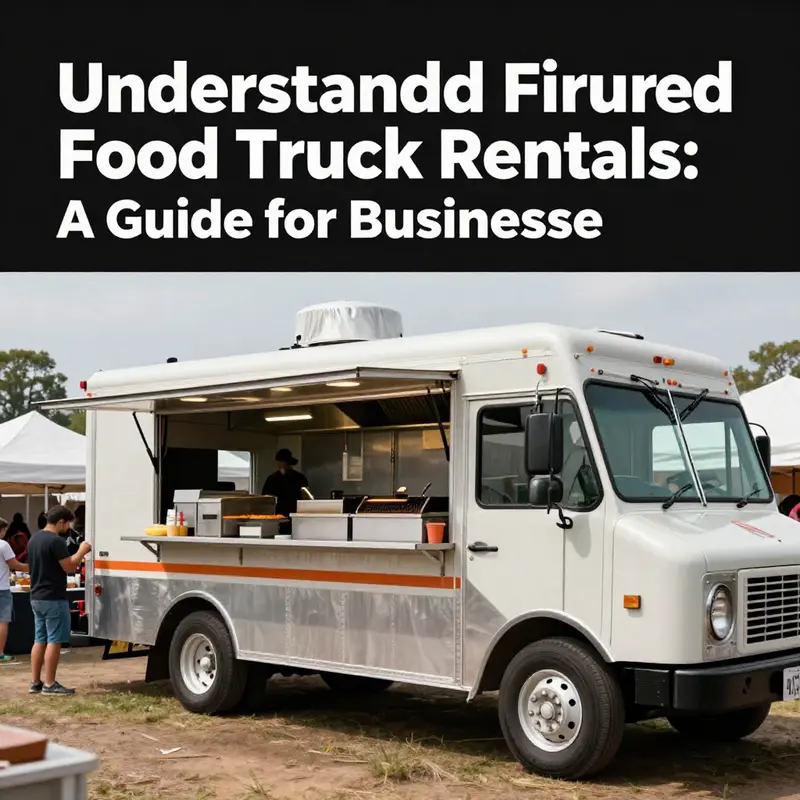
When entrepreneurs set out to launch a mobile dining concept, the price tag on a full-featured food truck is one of the first numbers they wrestle with. But price is not a single, static figure. It is a bundle of costs that changes with the size of the kitchen, the gear tucked into the compartments, the age of the vehicle, the route it will ply, and the terms of the rental itself. The market for turnkey mobile kitchens reflects a spectrum—from compact, utility-oriented trailers that resemble small, self-contained pop-up setups to sprawling, purpose-built kitchens with multiple cooking stations, ventilation, high-capacity refrigeration, and artisan-grade finish work. To understand the economics, it helps to map the landscape across realistic pricing tiers, then connect those numbers to the questions every operator must answer before signing a lease. The numbers are not merely numbers; they embody permissions, permits, and the practical realities of running a kitchen-on-wheels in spaces that demand both speed and reliability.
At the most basic end of the spectrum, entry-level and compact setups exist for operators who want to test a concept with minimal commitment. These aren’t street-food appendages but compact mobile kitchens with the essentials: a small cooking surface, a sink, and basic refrigeration. In current market terms, such units can be found for roughly $1,280 as a starting point. They are designed for solo operators or very small teams serving simpler menus, often in farmers markets or foot-traffic corridors where the volume doesn’t demand a full industrial kitchen. The advantage here is obvious: lower monthly commitments, quicker path to first sales, and a shorter runway to learn the business without locking in an expensive asset. The downside is equally clear: limited menu variety, slower service throughput, and higher pressure when demand spikes beyond the unit’s capacity. For a new operator, that can be a useful stepping-stone, a way to validate the business concept before upgrading to a more robust, full-featured setup.
Moving up in capability, the mid-range tier captures what many aspiring mobile restaurateurs mean when they talk about a “real” food truck. A standard, fully equipped truck—complete with a commercial-grade kitchen, including grills, fryers, ovens, true refrigeration, a cleanable sink setup, and ample storage—tends to land in a broad, practical window around $3,000 to $4,500 per month. This range is often described as the sweet spot for turnkey operations. It represents a balance between the capital outlay, the scale of cooking capacity, and the workflow efficiency required to sustain a reliable daily service during peak hours. Operators who choose this tier typically aim to serve a moderate to high volume, deliver consistent quality, and support a growing team as demand expands. The equipment quality, the layout efficiency, and the durability of stainless steel and other materials all factor into the final price within this band. It is not unusual to see variations within this range based on the specific kitchen layout, the power and water systems, and whether the truck is built with features that streamline maintenance and cleaning.
Beyond the standard turnkey trucks lie mid-to-high-end and customized options. Here the price ladder climbs to roughly $4,990 to $8,660, and sometimes higher. These are not “one-size-fits-all” kitchens; they are carefully designed, often purpose-built environments that reflect the operator’s menu ambitions and brand identity. Premium features—such as custom cabinetry tailored to the menu flow, high-capacity refrigeration, broad cooking stations, energy-efficient ventilation, and premium finishes—drive the price upward. In many cases these units are marketed as fully equipped and optimized for established businesses or franchises that require a certain level of throughput, resilience, and a distinctive aesthetic. Buyers in this segment typically expect longer service life, better resale value, and a more seamless path to scaling operations across multiple events or locations. The complexity of the build translates into both higher upfront monthly costs and a different set of ongoing maintenance considerations, including more sophisticated safety systems and stricter compliance with health codes, which can influence insurance and inspection regimes.
At the far end of the spectrum sit premium and specialized units. These are the outliers, designed for businesses pursuing ambitious menus, large-format equipment, or highly specialized service models—think large pizza ovens, beverage-dedicated stations, or unique outdoor designs that push the boundaries of what a mobile kitchen can do. Costs in this category can exceed $10,360 per month, reflecting not only the equipment and materials but also the engineering that supports complex workflows, power demands, and climate control in variable outdoor environments. These units are often the result of bespoke builds, sometimes produced by overseas or boutique manufacturers, and they frequently come with tailored service packages that address everything from installation to ongoing maintenance. The high-end tier is, in essence, a leap forward in both capability and risk; it requires a longer runway for profitability, careful scoping of anticipated demand, and a clear understanding of how the menu, service model, and location strategy must synchronize to achieve a favorable return.
Taken together, the data points you see in market listings—whether the source is a large online marketplace or an industry directory—show a consistent pattern: basic, low-cost entry points exist for those testing the waters; mid-range turnkey options offer a practical home base for a growing operation; and premium, customized builds cater to established players seeking reliability, speed, and distinctive branding. The lump-sum impression of “a food truck costs this much per month” hides the nuance of how a unit earns its keep. The price is not merely the monthly rent; it is a reflection of the kitchen’s capability, the speed with which it can produce meals, the resilience of the equipment under busy service periods, and the support system around the truck, including delivery, setup, and the logistics of getting it to events and locations where demand is strongest. It is also a signal of the operational commitments that come with a mobile kitchen—permits, inspections, and the ongoing costs of running a regulated food business on wheels.
A crucial lens through which to view these numbers is the distinction between new and used builds, and the reality that many operators will migrate from one tier to another as the business matures. From the perspective of cost management, new and customized units offer a pristine platform with fewer immediate repairs or replacements but come at a steep upfront price and higher monthly payments. Used or refurbished units often present an attractive entry point for cash-conscious operators. They can deliver significant savings, albeit with higher risk in terms of wear, less predictable maintenance schedules, and shorter remaining lifespans on key components like ovens or refrigeration systems. The decision to rent or, for that matter, to invest in a purchase rather than a rental, hinges on the operator’s ability to forecast sales, plan maintenance, and synchronize the kitchen’s capacity with the business’s event calendar. A rental agreement in this space is never just a rental; it is a commitment to a particular pace of business, a specific set of equipment capabilities, and a defined geographic footprint that will influence how often the truck is deployed and how many events it can support.
The economics get even trickier when you consider ancillary costs that are commonly bundled into or added to base rental rates. Delivery and setup fees, for example, can add a meaningful amount on top of the monthly lease. Some rental providers charge for transportation to and from events, especially when the truck is operated in multiple markets or far from the vendor’s base. Maintenance, and sometimes routine cleaning, may not be included in the base price and can become a monthly obligation that scales with usage. Insurance, too, is typically separate. It’s not unusual to see insurance priced as a function of the vehicle’s value, the menu risk, and the geographic exposure of the operator’s location. All of these components—delivery and setup, maintenance, insurance, and sometimes even fuel or power for the on-site operations—shape the incremental cash outflow that follows the headline monthly rent.
Seasonality throws a further layer of complexity into the cost equation. In cities with dense festival calendars, summer peaks can push rental costs upward for periods that align with major events or seasonal markets. Conversely, off-peak periods may present opportunities to negotiate favorable terms, extended rental windows, or bundled maintenance packages as providers seek to fill idle capacity. Operators who plan for these rhythms can sometimes secure more favorable terms by aligning their calendar with event-heavy months or by renting during shoulder seasons to test the market before committing to a long-term arrangement. The price signals embedded in seasonality are not merely about taking advantage of discounts; they also reflect the increased draw on resources—logistics, staff, health inspections, and food safety compliance—that events demand.
Delivery, setup, and location are part of a broader ecosystem that sustains the mobile kitchen model. A truck rented in a high-demand urban area carries a different price than one deployed in a more relaxed suburb or a regional market with fewer events. Urban locations come with higher demand, but they also require more meticulous planning around permits, health department inspections, and utilities management. The higher price here is not just about convenience; it also encapsulates the value of reliability in a dense, competitive environment, where the ability to operate at peak times with minimal downtime is a commercial asset. For operators, the practical takeaway is to treat location strategy as a core component of the cost model. A vehicle that can quickly be moved into a thriving market or a festival can deliver a higher return, even if it carries a heavier monthly lease, because it expands the window of opportunities to sell and build a brand quickly.
As with any investment in a business asset, the question is not merely what the truck costs. It is what the truck enables you to do—how many meals can you produce in a given hour, how many events can you service in a month, and how resilient is the operation during the inevitable hiccups of a busy service calendar. To translate the numbers into a practical plan, consider a hypothetical operator weighing a mid-range turnkey truck at around $3,500 per month, with monthly maintenance estimated at $350, insurance at $150 to $250 depending on coverage, and an extra $200 to $400 for occasional delivery, setup, and call-out charges for special events. In this rough frame, the all-in monthly cash outlay might land in the vicinity of $4,000 to $4,800. It is essential to cross-check this with expected revenue per event, the anticipated number of events per month, and the degree of capex the operator can tolerate while still preserving healthy cash flow. A practical rule of thumb is to target a monthly revenue that at least covers the fixed costs and leaves margin for variable costs and growth. If an operator plans to host 8 to 12 events per month with average ticket sizes that yield a robust margin, the mid-range investment can become sustainable—and even profitable—over a reasonable time horizon. But if events are sporadic, if travel requirements add travel time and fuel expenses, or if maintenance issues escalate, the math can shift quickly from promising to precarious. The lesson is simple: pricing the vehicle is only the first piece. The long-term viability depends on how well the menu, the service model, and the event strategy translate into consistent sales that outpace the sum of fixed and variable costs.
In this landscape of numbers, operators also consider the incentives and promotions that exist within the broader rental ecosystem. Market players and rental platforms often compete on price, delivery speed, and after-sales support. For entrepreneurs researching options, it is worth asking about any discounts or promotion programs that can ease the monthly cadence without compromising service levels. For example, one might encounter promotional terms that resemble discounts tied to longer commitments or bundled services. It is not uncommon for operators to find value in promotional pathways such as truck-rental incentive programs, where combining a rental with ancillary services can yield a lower effective monthly cost than the headline figure would suggest. As a reader of these pages, you will notice that the pricing spectrum is wide, but the decision framework remains consistent: define your menu and throughput, align the vehicle’s capability with your service model, factor in location and seasonality, and price in the costs of maintenance, insurance, and logistics to arrive at a sustainable path to profitability.
A practical takeaway for readers navigating these choices is to view the rental decision as a structured test rather than a one-time purchase. Start with a clearly articulated business model: what you will cook, where you will sell, and how you will scale. Then identify the minimum kitchen capacity required to execute that model with a reasonable service level. It can be tempting to chase a dream kitchen that offers every possible feature, but the reality is that a well-planned, reliable setup tailored to your menu can outperform a more lavish unit that stretches budgets and complicates operations. The cost structure should reflect the plan’s realism: a budget that covers the core cooking, storing, cleaning, and service needs; a buffer for maintenance and unexpected repairs; and a schedule that maximizes the number of service opportunities without overextending staff and supplies. When the math aligns, renting a full-featured kitchen can be a strategic way to build credibility, consistency, and cash flow as you establish your brand in a competitive food landscape.
For readers curious about how promotions affect the economics, it’s worth exploring the broader rental landscape beyond food truck-specific options. Rental platforms sometimes offer discounts that apply across the fleet, making a well-timed promotion an important variable in the business plan. A practical approach is to examine the terms of promotions closely: what is the duration, what is the implied total cost over the rental term, and what are the conditions for maintenance, delivery, or setup fees to be waived or reduced. These details can swing the financial picture by several hundred dollars per month, which can be meaningful when the business operates near the margin. As you weigh options, consider also the value of a platform that can facilitate quotes from multiple suppliers, provide transparent maintenance histories, and support you with a consistent, predictable service experience in the markets you intend to serve.
In sum, the price of a full-featured food truck rental is a reflection of capability, reliability, and the degree to which the kitchen supports a scalable business model. The ranges—from entry-level entries at roughly $1,280 to premium, customized builds well over $10,000 per month—map to distinct strategic paths. Operators should anchor their decisions in a clear menu, a realistic forecast of events, and a disciplined view of ongoing costs. The most successful renters are not chasing the biggest kitchen; they are aligning the kitchen to the mission, ensuring that every dollar spent on equipment, maintenance, and logistics translates into a predictable, repeatable flow of customers, meals, and revenue across the calendar. For those who want to delve deeper into rental economics and explore potential discounts, a practical option is to explore promotional offers within the broader truck-rental ecosystem, such as Penske truck rental discounts, which can illuminate how promotions shift the monthly cost in meaningful ways. As you craft your budget, keep this broader context in view: the right price is not just what you pay each month, but how effectively the kitchen helps you turn events, hours, and hands into a sustainable, growing business.
External resources for further guidance on startup costs and planning can be valuable as you move from renting to operating. For a practical overview of startup costs and ongoing expenses for a new food business, see the Small Business Administration’s guide on startup costs: https://www.sba.gov/business-guide/plan-your-business/startup-costs. This resource complements the pricing data above by situating the food truck rental choice within the larger framework of launching and scaling a mobile food venture, including how to forecast cash flow, manage working capital, and align capital expenditures with revenue growth. The journey from concept to street front involves more than selecting a truck; it requires aligning your culinary ambition with a plan that makes sense financially, logistically, and creatively. The pricing tiers and the considerations outlined here provide a compass for that journey, helping you evaluate whether a basic, mid-range, or premium kitchen on wheels is the right engine for your brand and your market.
Niche on Wheels: Mastering Specialty Food Truck Rentals to Power Bold Concepts
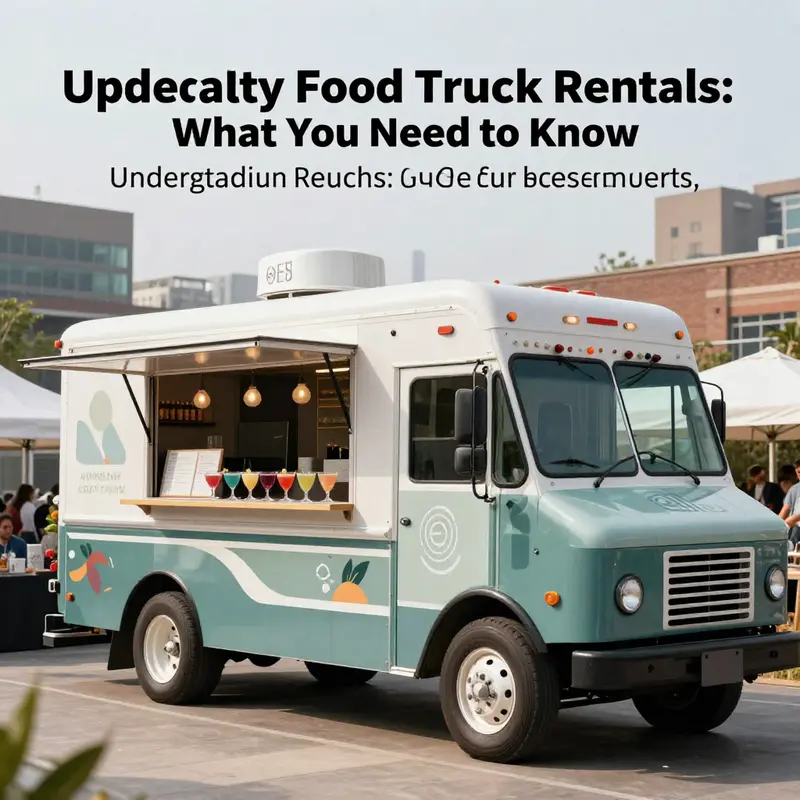
Specialty food truck rentals sit at the intersection of culinary ambition and operational pragmatism. They are not merely a more expensive version of a standard trailer; they are turnkey platforms designed to support a focused concept, a particular cuisine, or a distinctive service model—whether that means a mobile bar, an artisanal frozen dessert bar, a plant-based burger concept, or a chef-driven tasting experience. In practice, these units offer compact, branded kitchens with equipment tailored to the niche, along with branding opportunities that help a concept stand out in crowded markets. The appeal is clear: you can test a concept in real-world conditions, enter events that demand sophistication and speed, and scale quickly without the heavy upfront costs of outfitting a vehicle from scratch. This is especially important for operators experimenting with new flavors or formats who want to preserve capital while validating product-market fit in dynamic environments.
From a pricing perspective, specialty rentals occupy a higher tier in the market. Where basic utility trailers may start around a modest monthly investment suitable for farmers markets or simple street sales, specialty units anchored in full-service configurations command maintenance of a more substantial monthly outlay. Industry data point to rental ranges that reflect the sophistication of the equipment and the expected turnover. Premium specialty trailers, designed for professional-grade cooking and seamless service, commonly land in the neighborhood of several thousands per month, with the upper end pushing beyond ten thousand in certain urban markets or for event-heavy calendars. The exact number varies widely based on size, build quality, and the depth of equipment—think convection ovens, high-capacity grills, steamers, refrigeration, and a beverage service module. This is not simply a matter of owning a gadget-rich kitchen on wheels but of aligning the configuration with the throughput needed for peak service times and with the regulatory demands of the events you plan to attend.
A telling data point in this space is the example of a solar-powered, specialty-equipped unit that carried a higher monthly rental figure, around four thousand three hundred dollars, while also potentially incurring additional shipping-related costs. The takeaway is not that solar or specialty builds guarantee a bargain, but that new or custom-built units may follow pricing models that favor rental under certain conditions—particularly when there is a strategic emphasis on speed-to-market and weatherproof reliability. In practice, the decision to rent a specialty unit versus purchase hinges on the operator’s appetite for risk, cash flow considerations, and the rate at which the concept will be tested across events and seasons. Real-time pricing can shift rapidly with demand and location, so many operators rely on rental marketplaces or partnerships that can render quotes for available units, factoring in logistics, utilities, and event schedules.
Within this framework, a central advantage of specialty rentals is the ability to focus relentlessly on the heart of the business: the menu and the guest experience. The rental partner typically handles much of the heavy lifting around maintenance, compliance, and insurance, which can remove a large drain on an emerging operation’s bandwidth. That said, it remains essential to scrutinize the terms: some providers include basic maintenance and standard compliance support, while others place certain duties like permits, utility hookups, and insurance on the renter as add-ons or requirements. Because regulations shift by jurisdiction and by event, the operating plan should begin with a precise inventory of what is included in the rental agreement and what will incur extra charges. It is easy to assume that all the hassles are bundled in, but the practical reality is that delivery, setup, and on-site post-event cleanup can all carry fees that quickly alter the true monthly cost when calendar demand is high.
For those evaluating specialty rentals, a quick primer can help illuminate the path forward. Start with the concept of what the unit offers beyond space and power. A quintessential specialty rental brings professional-grade appliances configured for the specific cuisine or service model, designed to optimize workflow and help staff deliver fast, high-quality servings under the pressure of busy lines. The layout matters as much as the menu. With limited square footage, the workflow must minimize travel, ensure safe hot and cold food handling, and maintain clean lines between prep, cooking, and service. The presence of a dedicated cold storage module, a compact but powerful cooking suite, and a beverage station can dramatically affect throughput and guest satisfaction. The branding embedded in the truck—wraps, cabinetry finishes, signage—also plays a crucial role in attracting event organizers who seek a cohesive, on-brand presence on the floor of a festival or a corporate gathering.
A practical orientation into these rental dynamics is to view specialty units as modular extensions of a culinary concept. The operator tests a profile at selected venues, refines recipes, and calibrates portioning and service flow, all while the rental company maintains the core infrastructure. The operator’s job becomes menu development, staff training, and guest engagement, not the existential questions of whether the kitchen will function correctly on the big day. To support this, many rental programs offer flexible configurations that can be adapted to weddings, corporate events, music festivals, or community gatherings. The same unit can be retooled with minimal downtime to accommodate a shift in the target audience or a change in the event format, such as moving from a tasting menu at a gala to a fast-casual line during a street fair.
For operators curious about the practicalities of setup, it is useful to recall that specialty rentals often come with or without certain infrastructure prerequisites. Electricity, water, waste disposal, and grease management are not universal givens; they depend on the venue’s requirements and the event’s scale. Some sites offer utilities, while others require operators to bring generators and water tanks, arrange for portable handwashing stations, and coordinate waste removal with the event organizer. These logistical specifics influence not only upfront planning but ongoing operating costs. A robust onboarding process with a rental partner typically covers a confirmed site survey, a clear list of required hookups, and a timeline that aligns with the event’s load-in and load-out windows. The absence of last-minute surprises in this domain is often what distinguishes a successful specialty rental from one that encounters delays or budget overruns mid-tour.
From a broader market perspective, specialty rentals reflect a growing appetite for nimble, highly differentiated food service experiences. In a year when many operators seek to test concepts quickly and confidently, these rental options offer a viable alternative to heavy capital expenditure. They enable a concept to scale with the pace of demand and to prune away underperforming ideas without sunk-cost penalties. The decision to invest in a rental unit versus pursuing ownership depends on the expected frequency of use, the geographic reach of the operator’s plans, and the ability to monetize at scale across venues. An operator who expects to rotate through a portfolio of concepts or to participate in a wide array of festivals may find that rental flexibility translates into a more favorable payback period compared with a purchase and outfitting cycle. Conversely, those with a clear, recurring core venue strategy—where the same set of high-demand events repeats across the calendar—might identify a longer-term ROI through ownership once brand equity, relationships, and logistics have stabilized.
To ground this discussion in a practical frame, consider the implications of a specialty rental on finance and operations. The monthly rent for premium specialty units encapsulates access to equipment and layout optimized for a given concept, but it rarely includes all ancillary costs. Operators should anticipate maintenance and insurance either included in the package or listed as add-ons. Delivery and setup fees can also appear as separate line items, especially when the unit must be relocated between events or transported to distant locations. As with any asset, the unit’s depreciation is not the only financial question—opportunity cost matters too. The cash saved by avoiding a large upfront investment must be weighed against ongoing rental payments and potential restrictions on usage, including geographical boundaries or maximum event counts per month. A rigorous cost-benefit analysis, aligned with the business’s market testing plan, helps ensure that the rental choice aligns with both short-term experimentation needs and long-term growth objectives.
Operationally, a well-chosen specialty rental can become the backbone of a concept’s brand and customer experience. If the unit offers high-quality equipment like convection ovens, robust grills, precise steamers, and reliable beverage dispensers, it can deliver consistent results across events and weather conditions. For a chef who wants to showcase a signature technique or a beverage program that relies on accuracy and speed, these appliances are not luxuries but essential enablers of the guest experience. Brand integration—the aesthetics of the kitchen, the color palette, the typography on the signage—translates directly to perceived value. A polished presentation often correlates with higher guest confidence, repeat attendance, and an easier path to partnerships with event organizers who are increasingly evaluating not just the menu but the entire sensory package a mobile concept offers.
An important strand in the conversation about specialty rentals is the learning loop they create. Because you are operating in the field rather than in a test kitchen, you observe how guests react to your menu in live settings, how long lines form, where bottlenecks appear, and how quickly you can adapt. This experiential feedback is a powerful accelerant for refining recipes, adjusting portion sizes, and calibrating service staffing. A flexible rental unit is a stage on which you can experiment with format—serving from a tasting counter, offering a multi-dish flight, or introducing a one-bite concept that accelerates turnover during peak hours. The operator becomes a product developer in motion, using real data from events to decide whether a broader rollout is warranted, whether another concept should be pursued, or whether the current configuration should be augmented with additional equipment or branding for a more cohesive experience.
Within the ecosystem of specialty rentals, a practical piece of guidance emerges: the onboarding of a unit should be thought of as a project plan rather than a purchase agreement. Expect a process that includes site assessments, utility compatibility checks, and a clear schedule for delivery, setup, and teardown. The rental partner should offer a responsive support channel to handle equipment hiccups or regulatory questions that arise during an event. This supportive environment reduces downtime and keeps the operation on track, even when weather, venue rules, or crowd dynamics test the system. A well-structured rental engagement enables the operator to focus on what matters most—creating a memorable culinary moment for guests.
For readers seeking a concise route map into specialty rentals, the following practical checkpoints can help organize decisions without overwhelming the process: confirm the exact suite of equipment included and whether it supports your core menu, verify the costs associated with maintenance, insurance, transport, and hookups, map out the expected event calendar to evaluate monthly rent against projected turnover, and assess the flexibility of the unit to accommodate branding and menu iterations. It is also wise to consider the potential need for backups—whether the rental program offers contingency arrangements or spare parts that can keep operations humming if a component fails mid-tour. Finally, remember that the objective of a specialty rental is not to own a lavish kitchen on wheels but to enable rapid, repeatable, high-quality service in diverse settings while preserving capital for growth elsewhere in the business.
A note on resources and next steps: operators who want to keep a finger on the pulse of current pricing and availability will benefit from consulting rental platforms that aggregate quotes and schedules in real time. Such platforms can reveal variability by city, season, and event type, helping you calibrate expectations and negotiate agreements that reflect actual demand. If you’re exploring entry points into the space, a starter resource on how these rental ecosystems operate can provide a helpful framework. See a concise primer here: Hello World.
As you compare options, it’s essential to keep your eyes on the long horizon. Specialty rentals offer a powerful way to test concepts, enter lucrative event circuits, and build brand equity without locking in capital that could slow future ventures. They facilitate experimentation, adaptation, and speed—three ingredients that often determine whether a bold culinary idea survives its first tour through markets, festivals, and curated events. The right unit, paired with a thoughtful menu and a disciplined operations plan, can transform a concept from a prototype into a scalable, repeatable guest experience that travels well and endures beyond a single season. The challenge is balancing the romance of a standout kitchen-on-wheels with the discipline of budgeting, compliance, and logistical foresight. When these elements align, specialty rentals shift from being a clever option to becoming a strategic asset that underpins growth across venues, audiences, and timelines.
External resource for broader industry context: Understanding Food Truck Rent: Complete Guide to Standards, Properties, and Industrial Applications. https://www.foodtruckresources.com/understanding-food-truck-rent
Final thoughts
Navigating the world of food truck rentals can be a complex endeavor, but understanding the costs and considerations involved simplifies the process. Whether you’re starting with a basic utility food truck, moving up to full-featured models, or exploring specialty options, knowing your budget and specific needs is paramount. The insights from this guide prepare you to make a strategic choice that aligns with your culinary aspirations, ensuring a successful venture in the thriving mobile food marketplace.