

For business owners, understanding the costs associated with U-Haul truck rentals is essential for effective budgeting and logistics planning. From local moves to long-distance rentals, the pricing structure can vary widely based on several key factors. This article delves into the basics of U-Haul truck rentals, identifying the factors that influence costs, explaining the pricing tiers available, uncovering hidden expenses, and exploring additional services that may enhance your rental experience. By the end, you’ll have a comprehensive view of what to expect financially, helping you make informed decisions for your business’s transportation needs.
null

null
Untangling the Price Tag: How Truck Size, Route, and Hidden Fees Shape a Moving Truck Rental

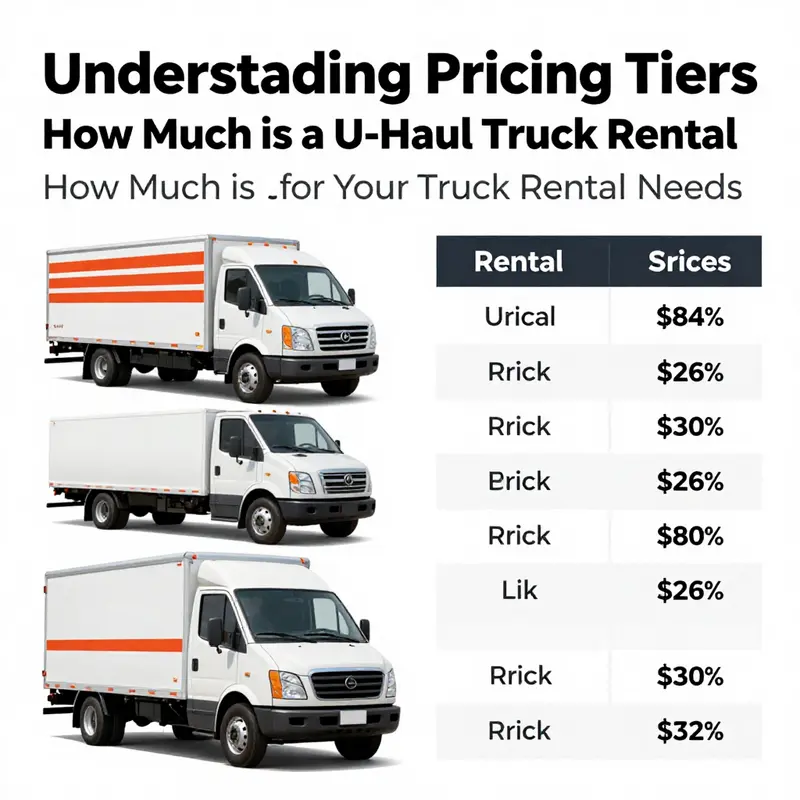
Renting a moving truck is rarely a straightforward, one-number decision. The sticker price often hides a constellation of variables that can push the final bill well beyond a seemingly simple daily rate. When you step back and view the cost as a multi-factor equation, a clearer picture emerges: the size of the vehicle, the nature of the rental, how long you need it, how far you’re moving, and the other charges that quietly accumulate along the way. Understanding these elements helps you budget more accurately and avoids surprises when you arrive at the checkout counter. The most obvious factor is the size of the truck. Larger models command higher base rates, reflecting both the increased fuel demand and the greater capacity they offer. In practice, rental prices for common sizes can span a wide range, from a modest daily amount for the smallest option up to four-digit figures for the largest model, depending on the model, location, and time of year. For a concrete sense of the spectrum, some sizes can range roughly from about $110 to $1,040 in a given market, depending on the specific vehicle and the location. That spread underscores a core truth: you pay for the capacity you actually need, not just for the act of renting a vehicle.
The rental type adds another layer. Local, round-trip moves are generally simpler and cheaper because they involve less logistical maneuvering and repositioning. One-way moves, by contrast, require the company to relocate the truck to a different city, which often triggers additional fees. Those repositioning costs reflect the administrative and logistical work involved in returning a truck to a different endpoint, and they can significantly tilt the total price in favor of a local move when your route allows. The decision between local and one-way should be driven not only by convenience but also by the total cost across the planned route, particularly if you are coordinating a move across longer distances.
Rental duration also plays a critical role. Rates are typically structured in daily increments, with some providers offering discounts for longer rentals. The catch, however, is that the longer you keep the vehicle, the more you are exposed to the base daily rate times the number of days, plus any mileage and incidental charges. In short, extending the rental period can reduce the daily rate but elevate the cumulative cost if you lose time or miscalculate the move window. Planning your move with a realistic time frame helps minimize idle days where you are paying for a truck you barely use.
Mileage charges are one of the most talked-about cost drivers. Most local moves include a set number of miles, with excess mileage billed at a per-mile rate. For longer transitions, mileage can quickly become the dominant expense unless you opt into an unlimited mileage plan, which eliminates per-mile surcharges but may come with a higher base rate or stricter terms. It is essential to check how many miles are included in your package and what the per-mile rate is beyond that allowance. For a long-distance transition, exploring an unlimited mileage option can dramatically simplify budgeting and prevent the risk of a surprisingly large bill at the end of the trip.
Beyond size, distance, and duration, the little charges can accumulate into a meaningful total. Fuel costs are not fixed once you hand the keys back; you must account for the truck’s fuel economy and the distance driven. Taxes and environmental fees vary by state or province, and they can add an appreciable amount to the final invoice. Optional insurance or protection plans, such as loss damage waiver, are also common add-ons—these can be a prudent safeguard against accidents or damage, but they represent an extra cost that should be weighed against your own risk tolerance and the coverage you already carry through personal auto insurance or credit cards.
There are also regulatory nuances that can affect cost and feasibility. Some regions impose age restrictions on truck rental, limiting access to younger drivers. Even when a national policy appears permissive, local rules can differ, and regional regulations may specify higher minimum driving ages for commercial vehicles. In some jurisdictions, the rules about who can rent and drive a moving truck can be stricter still, including locations with special licensing or insurance requirements. When planning, it’s wise to verify any age-related or licensing constraints that could impact your rental and its total cost.
All these elements illuminate why the advertised base rate is only the starting point. A realistic budget must incorporate potential surcharges and fees that accompany the rental, plus any ancillary costs arising from your specific move. The hidden costs are not mere abstractions; they reflect real choices about how you will move your belongings, whether you hire professional help, and how you manage time and risk. A useful example to keep in mind is the cost of your own time and effort if you decide to perform the move without paid labor. If you estimate your labor at about 30 hours at a conservative rate of $20 per hour, you add roughly $600 to the overall price, effectively increasing the true cost by a sizable margin. This kind of hidden labor cost is frequently overlooked in early budgeting and can be the difference between breaking even and feeling stretched at the end of the move.
Given this mosaic of factors, the most reliable way to forecast the true cost is to obtain a real-time price based on your actual route, dates, and truck size. A practical approach is to use the provider’s price calculator, entering your starting point, destination, and intended move window. This method yields a current, location-specific quote that accounts for the exact model you want, the distance involved, and any local taxes or fees that apply to your transaction. It also surfaces opportunities for cost containment, such as choosing a smaller truck if your load permits, selecting a local move when feasible, or scheduling the move during a period when daily rates are lower.
For readers considering long moves, it is worth noting the availability of mileage options that can simplify planning. If you are weighing the trade-offs between a higher daily rate and the reliability of unlimited mileage, the decision often hinges on your expected driving distance. An unlimited mileage plan, though potentially more expensive upfront, can preempt a large per-mile bill at the end of a long haul and provide peace of mind when you anticipate a substantial number of miles. When the time comes to compare prices, one clear tactic is to examine how your chosen truck size translates into the total mileage cost under both limited and unlimited scenarios. That exercise helps you quantify the difference between two seemingly similar offers and reveals the true cost of your route.
In practice, most movers benefit from focusing on three core questions: How big does the truck need to be to fit all belongings without wasted space? Is a local, round-trip rental sufficient, or does the plan require a one-way move that relocates the vehicle to a distant city? How many miles should you expect to drive, and would an unlimited mileage option reduce the risk of sticker-shock at checkout? Answers to these questions, coupled with a realistic appraisal of how long you actually need the truck, will steer you toward a feasible plan that keeps costs in check while aligning with your move timeline.
If you want a concrete pointer to a resource that explains mileage options and other price drivers in more depth, you can explore further information on the topic through a dedicated guide on unlimited mileage. It discusses when unlimited miles are worth considering and how to compare them against standard mileage charges, helping you judge whether it fits your specific move. The link below points to that resource for readers who want a deeper dive into one cost component of the pricing puzzle.
For real-time pricing, consult the official price calculator. official price calculator
If you want to read about practical cost-containment strategies and to see how a particular mileage option might impact a long move, you can also visit an internal guide that tackles unlimited mileage and how it can influence the overall price of a rental. unlimited rental truck mileage
In sum, the true cost of a moving truck rental is the product of size, distance, duration, and the constellation of fees built around them. By planning deliberately, you can shape a budget that reflects your move’s realities rather than a single, upfront sticker price. It is a matter of balancing practicality with risk, recognizing that every extra mile, every extra day, and every optional protection plan adds a layer to the final bill. When in doubt, run the live calculation with the provider’s pricing tool, align the choice with your route and timeline, and weigh the apparent savings of a smaller vehicle against the cost of any added days or miles. The outcome is a more transparent view of what you will pay and a smoother path to a move that fits both your schedule and your budget.
null
null
Beyond the Sticker Price: Unveiling the Real Cost of Moving Truck Rentals

Ask anyone shopping for a moving truck and you will hear the same refrain: the daily rate looks cheap. A name-brand rental company advertises a local move starting at $19.95 per day. The number is real, but it is only the opening line in a longer price story. The final bill is built from a mix of mandatory charges, optional add-ons, and the cost of the move itself. To plan well, you must go beyond the headline and map out every potential fee before booking. This chapter follows that path, not to indict a single provider, but to illuminate how the math often shifts as your plans firm up. The base rate can be a doorway to a larger conversation about budgeting, risk, and value. When you start with a clear view of the possible add-ons and fees, you can compare options more honestly and avoid surprises that erase the margin you counted on for the move.
A practical starting point is to differentiate between the types of moves and the way fees are structured. Local moves, one-way moves, and multi-city trips each attract different pricing logic. The base daily rate, which is typically indicated for a short-term use, remains just one line item among many. The size of the vehicle matters as well. A smaller truck will carry a lower base price, but it may force you to make more trips or recruit more helpers, which increases your time costs. If you are planning a longer haul, the mileage policy becomes a critical factor. Some renters promise unlimited mileage, but many builds apply per-mile charges after a set threshold. It is easy to assume you can simply fill the truck and go, yet the policy you sign determines whether the wheels turn smoothly or the odometer keeps ticking in the background.
The next layer is insurance and protection. Insurance is optional, or at least marketed as optional, but avoiding it can backfire spectacularly if any damage occurs. In conversations about risk, people often weigh the cost of a low daily rate against the potential outlay for repairs and liability. The difference can be night and day. A documented case in which a customer skipped a small insurance fee for a brief 40-mile trip and later faced a substantial charge for damage underscores how tempting a zero-cost option can backfire. Even when there is no visible harm, the presence or absence of coverage can determine how a claim is processed, how disputes are resolved, and who bears the cost. The lesson is to treat insurance as part of the price of peace of mind, not as a luxury add-on.
Beyond insurance, there are a suite of fees that often hide in plain sight. Environmental charges and what some critics call a Vehicle Cost Recovery, or VCR, can appear as mandatory items on receipts or in the fine print. Investigations have highlighted that these fees are frequently omitted from advertising and promotional materials, leaving customers with a higher total than they anticipated. The effect is cumulative: even modest fee line items stacked together can add up to hundreds of dollars over a local, multi-day rental. It is not solely about the amount of each fee; it is about transparency and how clearly the total price is communicated. When a single advertised rate does not reflect the true, final price, the risk of sticker shock rises, and trust is eroded.
Another major driver of the final cost is mileage. A local, short move may include a reasonable allotment of miles, but if your plan drifts into longer territory or a one-way route, the per-mile charges can become the dominant cost. If you anticipate a long haul, ask explicitly about mileage options and consider whether an unlimited mileage plan fits your itinerary. There is a natural friction here: unlimited mileage can simplify budgeting but sometimes carries a higher daily rate or stricter terms that might not be needed for a shorter journey. For those who want to reason this through more deliberately, a helpful resource exists that discusses the benefits and limits of unlimited mileage plans for moving trucks. Unlimited mileage plans for long moves can be a practical starting point to evaluate whether the plan aligns with your route and timing.
Fuel costs, while variable, are an inescapable piece of the puzzle. The price you pay at the pump does not come bundled with the rental, so your fuel gauge becomes a moving target. If your plan requires a return with the same fuel level, the difference between what you started with and what you end with will show up as a cost after you drop the key. The fuel calculation is straightforward, yet the fluctuations in gas prices can sting when you are watching a carefully built budget drift with the price of every mile driven. In addition to fuel, packing supplies—boxes, tape, moving blankets, rope, and dollies—are often left out of the base rate as well. These small, essential items can accumulate quickly, especially when you are trying to optimize for time by packing efficiently and avoiding duplicate trips. The compounded effect of these items highlights why a simple price quote at the start rarely captures the entire outlay.
That brings us to time and labor, an area that many movers overlook because it is not a direct cash line item on the rental contract. If you are doing the loading, driving, and unloading yourself, you are trading time for money in a personal ledger. Even modest hourly estimates can add up to a nontrivial amount. The example in the research notes—30 hours at 20 per hour—amounts to 600 in implied labor costs that do not appear on the sticker. This is a reminder that the price you see does not always reflect the true commitment required to complete the move smoothly. When you weigh DIY labor against hiring professional movers, consider not only the outward price but the opportunity cost of your time, as well as the potential risk to personal safety and to the vehicle.
The list of hidden costs is not only about what adds up on the bill; it is about what is left out of the initial presentation and how those omissions shape decisions. Even with a low daily base rate, the question becomes whether the sum of added charges is worth the convenience or if it creates a stronger incentive to hire professionals who bake the risk into a single service fee. The question shifts from How cheap is the rental? to What will the entire move cost, end to end, including the labor I contribute and the risk I assume?
As you navigate these questions, a few practical steps can help you manage expectations and minimize surprises. Start by asking for a complete quote before you confirm any booking. Request an itemized breakdown that includes the base daily rate, all mandatory fees, taxes, insurance options, mileage, fuel, and the cost of any accessories you plan to use or rent. If you are planning a long move, specifically inquire about unlimited mileage options and compare the total cost against the per-mile charges for your route. When you receive the quote, review the terms around mileage thresholds, fuel levels, and vehicle return conditions. A careful read can reveal subtle requirements that affect the final price, such as the necessity to return the vehicle with a certain amount of fuel or to return it on a specific day to avoid daily extension fees.
Transparency also hinges on how the provider communicates the schedule for vehicle checks and the return process. Photos taken at pickup and return can serve as evidence if a dispute arises about damage. While no one wants to linger over a dozen micro-details, a few well-documented images can save time, money, and stress in the event of a claim. If the rental requires a deposit or holds, confirm the amount and the process for its release after the move. These operational points are often overlooked in the moment, but they influence the practical cost and the post-move experience just as much as the line items on a receipt.
In this chapter, the underlying message is that price quotes on moving trucks are not a single number but a calculation that blends the base rate with a constellation of charges, policies, and personal choices. The most effective way to approach the topic is to treat the quote as a dynamic document. Compare each element across options, consider the value of unlimited mileage for your specific route, and be mindful of the potential for hidden charges to creep in through environmental fees, VCRs, or insurance decisions. The goal is not to advocate for one path over another, but to equip you with the awareness to budget with confidence and to negotiate from an informed position when you speak with a rental provider.
For readers aiming to deepen their understanding, a targeted exploration of unlimited mileage options can illuminate how mileage policies interact with route planning and time constraints. Unlimited mileage plans for long moves offers a practical framework to assess whether that approach aligns with your trip. And when you need external perspective on pricing practices, a credible investigative resource provides context on how marketing messages can diverge from final costs. External readers can review the broader discussion here: https://www.tina.org/news/uhaul-pricing-black-magic-exposed.
Beyond the Daily Rate: How Add-Ons and Services Shape the Real Cost of a U-Haul Truck Rental
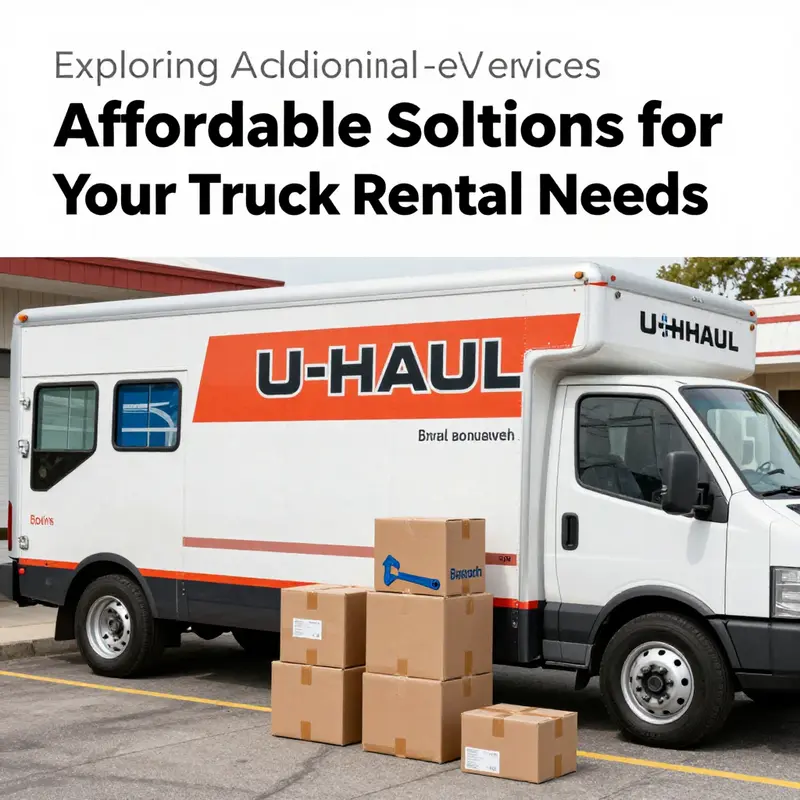
When you start budgeting a move, the sticker price on the rental truck often looks straightforward: a daily rate that seems modest enough to squeeze into a budget. Yet anyone who has arranged a real move quickly learns that the base price is only the beginning. Even a quick check of real-time quotes shows a daily starting point—often advertised around the mid- or high-teens per day for small pickups—yet the final tally can swing widely depending on how you structure the rental. Local moves, cross-country hauls, the size of the truck, and the number of days you need the vehicle are all levers that push the price up or down. The nuance here matters because many movers assume the listed daily rate is the cap, when in fact it’s the floor. To plan responsibly, you must look beyond the headline figure and map out every incremental cost that could appear during a typical rental, then decide which extras are genuinely necessary for your situation.
A practical way to approach this is to separate the rental into its core components. The rental type is the first determinant: a local, same-city move tends to be priced differently from a one-way, cross-city rental. One-way rentals are inherently more complex for the company to coordinate and resupply, so they often come with higher base rates or added mileage and facility fees. Then there is the question of how long you’ll need the truck. The total cost rises with each additional day, even if the daily rate stays relatively constant. The vehicle’s size matters as well. A 23-foot truck or a smaller pickup will have different daily rates, fuel needs, and load limits than a larger alternative, and those distinctions influence the overall price you finally pay. And because most rental plans include a mileage allowance, the more you drive, the more you’ll incur unless you opt into an unlimited mileage plan. The availability and price of such plans can significantly tilt the cost equation for longer moves, especially when distances stretch the mileage beyond what a standard allowance covers.
Beyond these structural elements, hidden costs can quietly accumulate if you don’t prepare for them. Consider the labor you might invest in the move outside of driving time. Even a modest estimate of 30 hours of practical labor, valued at a modest hourly rate, can double or triple the apparent price if you’re counting your own time as a cost. This is not just about saving money; it’s about recognizing the opportunity cost of your time. In addition, there is a practical insurance question. When you handle loading, driving, and unloading without professional help, you assume the risk for any damage to the truck or to your items, and for any injuries that could occur during the process. If something goes wrong, you are likely to be responsible for the costs out of pocket. These factors—time, liability, and the potential for accidental damage—should be part of the budgeting conversation as you consider whether a do-it-yourself approach is truly cost-effective.
To manage costs effectively, most rental providers offer a suite of add-ons or supplementary services that can either reduce risk or improve convenience. Some of these are widely used for their practical value. For example, many moves benefit from protective supplies such as moving boxes and furniture pads. Boxes are often available for free at numerous locations, a small but meaningful saving if you need to pack quickly. Furniture pads provide an extra layer of protection for delicate or heavy items during transit, helping to prevent damage that could otherwise require expensive replacements or repairs after the move. These items aren’t essentials for every move, but they can save money and stress if you anticipate a tight packing window, delicate load items, or a distance where vibration could threaten contents.
Another category of add-on is a booking or dispatch guarantee. For a modest fee, a renter can secure more assurance that the vehicle will be prepared for pickup when you need it. This is particularly valuable during peak moving seasons or at busy times when inventory is tight. The practical payoff is not only peace of mind but the avoidance of a postponed start, which can cascade into additional days of rental and transportation costs. While the guarantee adds to the upfront cost, it can prevent the higher price of a last-minute scramble or rebooking in a more expensive window.
Beyond these, there are programs designed to reduce costs on longer rentals. Some operations advertise discounts or rate protection plans that kick in as the rental period expands. These kinds of programs can effectively lower the average daily rate when you commit to longer timeframes, helping to offset the extra days you keep the truck. For those moving larger or more complex loads, storage options are sometimes offered. A free first month of storage for new customers is a striking example of how a short-term storage solution can be folded into a moving plan, especially if your timeline involves sorting, staging, or house-hunting between residences. Although storage is not a direct truck rental expense, it can be a meaningful consideration when you’re weighing logistics and total costs. Taken together, these supplements are crafted to make the overall experience smoother and possibly more economical, but they will color the final price and should be treated as budget line items in their own right.
The central challenge, then, is to convert this array of potential costs into a coherent budget before you book. Start with the most predictable components: the rental type, the size of the truck you’ll need, and the number of days you expect to keep it. If your move covers a one-way distance with a long horizon, ask about mileage plans that can cap or capably manage long-haul fuel and wear consequences. It’s often worth asking for a mileage option that eliminates the risk of unexpected overages, especially when your route includes stretches beyond the typical allowances. Then, examine the add-ons in light of your specific circumstances. Do you truly need boxes for packing, or will you reuse containers you already own? Are the furniture pads essential, or can you improvise with blankets and old towels? Will a reservation guarantee save you the headaches of a delayed pickup, and is the price worth the tranquility it offers? Will you benefit from a longer rental discount or a storage option that aligns with your moving timetable? These questions require honest self-assessment of your time, budget, and risk tolerance.
As you navigate these choices, a careful calculation is essential. Construct a mental or written ledger that begins with the base daily rate and multiplies by the expected rental days. Add the mileage costs based on your planned route, then layer on any add-ons you intend to secure. Keep in mind that taxes and location-based fees can also fluctuate; the same truck and plan might have different final numbers from one location to another. The calculation becomes more accurate if you use the live quote feature on the official site—entering your origin, destination, and dates to generate a precise, current total. When you see the final number, compare it to your rough budget to see where you stand. If the total feels tight, revisit the list of add-ons carefully. Sometimes a small substitution, such as selecting free boxes at a local depot or borrowing pads you already own, can shave dollars off the bottom line without sacrificing safety or efficiency.
For readers who want to explore the mileage aspect in more depth, there is value in a focused look at how unlimited mileage plans could change the economics of your move. A dedicated explainer on that topic can provide a clearer apples-to-apples comparison when you’re choosing between a local versus a longer-distance rental. unlimited-rental-truck-mileage offers context and nuance about when an unlimited plan might be the smarter option and how it translates into real-dollar savings over the course of a move. This kind of targeted information is especially useful if your distance or route is not straightforward, or if you’re weighing timing and convenience against the simplest possible price tag.
In the end, the path to an accurate, meaningful estimate rests on three pillars: a clear understanding of the rental’s core structure, a candid assessment of your non-driving costs and risks, and a disciplined approach to evaluating add-ons against your real needs. The base rate is the starting line, not the finish line. The final price is the sum of daily usage, distance-driven costs, and the optional extras that either reduce risk or improve efficiency. To get the most accurate quote you can, always consult the official site with your exact travel details and timing. That live input will reflect the current pricing landscape and the precise terms for your move, including any location-specific fees or promotions. For today’s best information, you can visit the official site and enter your origin, destination, and dates to generate a live quote that mirrors your unique plan. For more practical context and a sense of how mileage choices impact the bottom line, see the dedicated resource noted above. And if you’re looking for further reading about related truck rental decisions, you can also explore related discussions at the blog linked here: https://larentaltrucks.com/blog/unlimited-rental-truck-mileage/.
As you finalize your move plans, remember that the most accurate and up-to-date pricing comes from live quotes. Prices shift with demand, location, and the specifics of your itinerary. Taking the time to map out your route, estimate your load, and identify which extras truly add value will pay off when the final bill comes due. The goal is a move that is both smooth and financially sensible, with a price that reflects your actual needs rather than a one-size-fits-all estimate. If you want to see real numbers tailored to your situation, go to the official rental site, input your origin and destination, and lock in the best possible plan for your schedule. At the same time, keep in mind that the cheapest option in the short term may not always offer the best value over the course of your move when you factor in time, risk, and convenience. For more on the broader pricing ecosystem, including potential discounts and non-vehicle costs, stay attentive to the next chapters, which will help connect these practical decisions to the broader story of how much a truck rental really costs in the context of a move.
Final thoughts
Navigating the expenses associated with U-Haul truck rentals is crucial for business owners aiming to manage their logistics efficiently. By understanding the baseline prices, the factors that influence the costs, and potential hidden fees, you can make informed decisions that align with your budget. The additional services offered by U-Haul can further enhance your rental experience, ensuring that your logistics operations run smoothly. Taking the time to research and comprehend these aspects will ultimately save you money and reduce stress during your moving or transporting endeavors.