
For business owners relying on logistics and transport, towing capabilities can significantly impact operations. This article delves into various aspects of Penske truck towing, helping you understand the available services, limitations, required equipment, safety compliance, and customer support. Each chapter aims to provide not just a detailed analysis but also practical insights for enhancing your specific towing needs with Penske’s rental options.
Tow Lines and Road Readiness: Navigating Towing With a Rental Moving Truck
Understanding what towing means in the context of a rental moving truck starts with a clear distinction. A typical rental package centers on providing a clean, well-maintained truck and the ability to move household goods or equipment efficiently. Towing, in the sense of pulling another vehicle behind the truck, is not part of that standard package. This distinction matters from day one, especially for those planning a multi-vehicle move or a complex logistics task. When you map out a move, the goal is to keep the core vehicle focused on transporting your belongings while recognizing the limits of what a rental can and cannot do. That clarity helps you avoid chasing an option that isn’t designed into the baseline service and prevents disappointment when plans hinge on towing that simply isn’t included by default. It also sets the stage for meaningful conversations with the rental provider about any auxiliary equipment or arrangements that could support your plan without compromising safety or compliance.
Roadside assistance is available around the clock for emergencies during the rental period. It offers support for flat tires, lockouts, and breakdowns. However, that service is not designed to tow another vehicle or trailer. The difference between a roadside fix and a tow is significant, and relying on roadside assistance to drag a car or trailer is not appropriate or permitted in most cases. If towing is essential, you should engage a third-party towing provider directly and arrange it outside the rental agreement. This separation isn’t just about following policy; it’s about ensuring the right equipment, licensing, and safety standards are in place so you don’t risk damage to your property or the rental truck.
For customers who anticipate occasional towing tasks, there are two related pathways. First, you can rent equipment that enables towing, such as a trailer or a compatible utility vehicle, when you check out the rental. Second, you can evaluate whether your specific truck model is built to haul a towed payload. Towing capacity depends on the base truck’s design, the axle configuration, the hitch rating, and compliance with safety standards and local law. Each model’s specification will define what weight it can tow and under which conditions. Because these limits vary, it is essential to confirm the maximum tow weight with the rental company and to ensure you are fully licensed and insured for that configuration. Without this due diligence, you may exceed limits, void insurance, or find yourself dealing with fines in transit. When planning a move that includes a towed load, you should approach the process methodically, inventorying the towed item, verifying compatibility with the truck, and aligning with regulations before you hit the road.
Weight and balance are not mere numbers; they translate into real driving behavior. A towed trailer or vehicle adds length, reduces acceleration, and increases stopping distances. When you tow, you must ensure the total vehicle combination stays within the truck’s gross vehicle weight rating and its payload capacity. You’ll need a properly rated hitch, and you may require additional braking and lighting systems so that the towed item is visible and legally compliant on the road. Even with a dolly, the towed unit must have functional taillights, turn signals, and brake lights synchronized with the truck. In many jurisdictions, safety chains are mandatory as a back-up in case the hitch fails, and mirror extensions help the driver monitor the towed load. The practical takeaway is straightforward: if you cannot verify that your setup is compliant with weight, equipment, and lighting requirements, do not attempt towing at all. When the plan depends on a precise combination of truck, hitch, and towed load, taking the time to confirm each element is not an extra step but a critical safeguard.
To make this workable, the rental company may offer separate equipment choices to support towing. A tow dolly or a compatible trailer can sometimes be rented alongside the moving truck, depending on location, availability, and the selected truck model. The key is that these options are separate from the core rental and come with their own set of compliance requirements. Before selecting any towing accessory, review the specific load limits for both the dolly or trailer and the truck, confirm the licensing and insurance implications, and assess if you need additional equipment such as braking controllers or extra mirrors. For readers who want more detail on the mechanics of towing equipment, see the linked guide on towing gear and installation options: penske-truck-rental-tow-dolly. The purpose of this step is not to push you toward a single configuration but to illuminate the options and their accompanying responsibilities, so you can make a choice that fits your situation without compromising safety or legality.
Another layer to consider is the legal and insurance framework that governs towing behind a rental vehicle. Insurance coverage can vary by policy and by how the rental is used. If you plan to tow, you should explicitly verify whether the towed load is covered under the rental agreement or by separate insurance. Many renters assume standard coverage will extend, only to learn later that additional endorsements are necessary. A proactive approach is to document the towing plan, confirm it in writing with the rental provider, and keep a copy of the agreement and any endorsements with you on the road. Alongside insurance, you should be mindful of licensing requirements. Some states require special endorsements or specific licenses for towing heavier loads, especially when trailers are involved. Even in the absence of a heavy tow, changing lanes with a vehicle behind the truck demands extra caution and practice. The upshot is that towing is as much about policy and paperwork as it is about hardware on the road, and getting those details right upfront reduces risk dramatically.
From a practical standpoint on the move, plan ahead for the route and the timing. Towing adds length to your overall operation, so you’ll want to consider road grades, traffic patterns, and parking constraints at destination sites. It can be tempting to lump everything into one long day, but towing tasks often demand more margin for safety and contingencies. Scheduling breaks, checking hitch connections at mid-journey stops, and performing a quick lights-and-brakes check before continuing can prevent avoidable problems. If necessary, break up the trip into staged legs with the towing component integrated into the more predictable phases of the move. The goal is to minimize risk while preserving momentum and ensuring compliant, safe operation of the vehicle combination.
Ultimately, towing behind a rental moving truck is a specialized undertaking. It is not something many standard rental packages are designed to accommodate without additional equipment, paperwork, and planning. The best path is to treat towing as a separate engagement, engaging a professional towing service when needed or arranging a rental package that explicitly includes towing-compatible configurations and equipment. By recognizing the boundaries of the core rental offering and the specific requirements of a towed load, you can protect yourself from liability, avoid unexpected charges, and maintain a safer travel or moving experience. The overall strategy is clarity, preparation, and adherence to the rules of the road.
To further explore the practicalities and the equipment options that may support towing within a rental framework, consult the detailed guidance and official disclosures from the rental provider. These resources clarify the difference between standard rental coverage and towing-specific arrangements and they outline the steps required to ensure compliance. For a deeper dive into towing equipment options, consider the linked resource above. For official guidelines, visit the provider’s site: https://www.pensketruckrental.com
Tow-Ready Moving with Penske: Reading Capacity, Compliance, and Practical Towing for Your Move
When you’re planning a move with a Penske truck, the question of towing can feel like a tangled knot of numbers, risk, and rules. The reality is simpler, but it requires careful attention to what your rental agreement actually allows. Penske does not include towing as part of the standard rental package. If you encounter a breakdown or a flat tire, the 24/7 Roadside Assistance program is there to help keep you moving, but it is not designed to tow a vehicle behind a rental truck. For many moves, a separate trailer or towing setup is needed, and that means understanding capacity, equipment, and legal requirements before you hitch anything to the truck’s receiver. The aim is not to scare you with compliance checks but to equip you with a practical, safe approach to moving your car or other items without overstepping the lines that protect you and everyone on the road.
Towing capacity sits at the heart of this process. It is a defined ceiling—the maximum weight the truck can reliably pull—independent of the truck’s own weight. This distinction matters because people often confuse tow weight with the total load of the truck plus trailer. In the Penske lineup, smaller models like the 8-foot and 10-foot trucks are listed to support up to 6,000 pounds of towing capacity. That means you could attach a trailer, a boat, a motorcycle, or even another car, as long as the weight of the trailer and its load does not exceed 6,000 pounds and does not push the total weight of the towed combination beyond what the truck is designed to pull. These specifications are not guesses; they are written in the official documentation that Penske provides for rental customers and should be checked for the exact truck you plan to rent. If you’re unsure which model you’ll be using, or if you’re contemplating a combination of items to move, take a moment to map out the weight of each element and compare it to the stated capacity before you reserve.
The practical path from plan to road requires more than knowing a number. It calls for precise hitching, secure loading practices, and an awareness of the road rules that govern towed loads in the jurisdictions you’ll traverse. A hitch is not a generic accessory; it is a system that must match the receiver on the truck, the weight of the trailer, and the tongue weight of what you’re pulling. The installation and configuration of that system matter as much as the weight rating itself. If the need arises, you can consult the official hitching guidance and, in many cases, related installation resources for best practices. For those who want a concrete, user-friendly starting point, there is a useful reference on hitch installation that you can explore: Penske trailer hitch installation. This resource provides practical steps and cautions that help you avoid common mistakes during setup.
Beyond the hitch itself, the trailer’s setup determines whether you stay within safe limits. Proper load distribution, secure tie-downs, and balanced weight are essential. A headlight and taillight system that works correctly with the trailer, mirrors that provide adequate field of view, and safety chains that connect the trailer to the truck are not optional extras; they are fundamental safety requirements. Do not overlook the basics: wheel chocks to prevent rolling when you’re attaching or detaching, and a brake system appropriate to the trailer’s weight. If you’re towing a vehicle, the method differs from towing a utility trailer or a boat. A car may require a tow dolly or a full trailer, depending on its weight, configuration, and the front-wheel-drive or rear-wheel-drive layout. Each choice has implications for tongue weight, braking, and steering control during transit, so you’ll want to align your selection with the truck’s specified towing capacity and your state’s towing regulations.
To navigate these decisions, it helps to clarify the overall goal of your move. Are you transporting a car behind the truck, or are you pulling a utility trailer loaded with household goods? Penske offers trailers and other towing-compatible equipment that can be rented alongside their trucks, but the compatibility and weight limits should be confirmed for your specific combination. If you plan to tow a vehicle, you’ll need to account for the towed vehicle’s curb weight, the trailer’s own weight, and the tongue weight the truck must bear. The sum must remain within the truck’s towing capacity, and you must comply with weight distribution guidelines and the local laws of the routes you’ll follow. In some cases, a towing plan will require a separate insurance or coverage option that explicitly addresses towing operations; the availability and terms differ by location and by the equipment selected, so ask about any optional towing coverage when you arrange your rental.
What often gets overlooked is the practical rhythm of the move: how you load the trailer, how you secure it, and how you plan your route with boosted awareness for longer drives. The stack of boxes, appliances, and personal items must be arranged to keep the tongue weight appropriate and to prevent shifting that could destabilize the trailer. Tie-downs should be chosen to match the load type—ratcheting straps for boxes, wheel straps for a vehicle, or chain-and-binder systems for heavier gear. It’s not just about keeping the items from moving; it’s about ensuring the trailer remains aligned with the truck’s center of gravity throughout the journey. If you’re new to towing with a rental truck, the learning curve is real, but it can be navigated with a careful, methodical approach and a clear understanding of the truck’s limits.
A crucial part of that approach is knowledge about the vehicle you’re towing. For a car, the decision between a tow dolly and a full trailer matters. A tow dolly typically supports front-wheel-drive cars where the front wheels are elevated, while a full trailer carries all wheels and requires different braking and lighting considerations. Each option has implications for axle load, steering stability, and braking performance, and the right choice depends on the car’s weight, its drive configuration, and the overall weight carried by the trailer. When you’re planning to tow anything beyond a simple utility trailer, you’ll want to verify the compatibility of the trailer with the Penske truck you’ve rented and ensure that your selected setup aligns with the truck’s capacity and with the legal requirements in your travel corridors. The goal is to arrive at your destination with the same confidence you have when you start the journey: a sense that you’ve balanced weight, secured your load, and built in safety and compliance from the outset.
As you map out your towing plan, take advantage of the resources available through Penske and the broader moving-truck community. The internal equipment and support options, including trailers and hitch accessories, are part of a broader ecosystem designed to help you move efficiently while respecting safety limits. If you need a quick reminder about hitching basics or want to refresh your setup steps, the hitch installation guide mentioned earlier can be a practical starting point. And when you’re ready to confirm the precise towing specifications for your chosen truck size, consult the official towing capacity details from the primary provider, which offers the authoritative numbers and terms you’ll rely on during the rental period. For more details, see the official towing capacity details at https://www.penske.com/truck-rental/towing-capacity.
In the end, towing with a Penske rental comes down to a blend of accurate data, careful preparation, and attention to safety. The numbers tell you what the truck can handle; the load assessment and setup tell you how to handle it. The path from plan to road is a sequence of informed decisions, each designed to keep you within the truck’s limits while delivering your belongings, vehicles, or equipment to the new address without incident. When you approach towing with this mindset, you’re not just moving a load—you’re moving with a plan that respects the machine that makes it possible and the road that carries it.
Tow-Ready Guidance: Navigating Penske’s Towing Equipment and Accessories for Safe Vehicle Transport
When planning a move or a logistics task with a Penske rental truck, the question of towing often arises. Penske’s standard rental package does not include towing another vehicle behind the truck by default, a detail that matters for moves that involve a car, trailer, or other gear in tow. For many road trips and relocations, that reality prompts a pragmatic approach: towing must be arranged with the right equipment and a clear understanding of safety and legal constraints. Penske does offer 24/7 Roadside Assistance for rental customers, which can help with breakdowns, flat tires, or other on-the-road emergencies; however, this service is not designed to tow a vehicle behind a rental truck. That distinction matters because it sets expectations for what help is available on the roadside and what equipment must be planned for in advance.
To actually tow a vehicle, the rental truck and the towed unit must be properly equipped and licensed. Penske provides trailers and utility trailers that can be rented to expand capabilities, and the towing capacity depends on the specific truck model. Buyers of this equipment must ensure compliance with state laws and safety regulations. The planning stage should begin with a realistic assessment of weight: how heavy the towed vehicle is, the weight of the trailer if used, and the payload left after accounting for fuel, passengers, and cargo. The towing setup should stay within the truck’s rated towing limit, and the overall gross vehicle weight should be managed so handling remains predictable and safe on the road. A careful calculation of weight distribution, tongue weight, and the impact on braking performance helps prevent sway and instability as speeds increase or road grades shift.
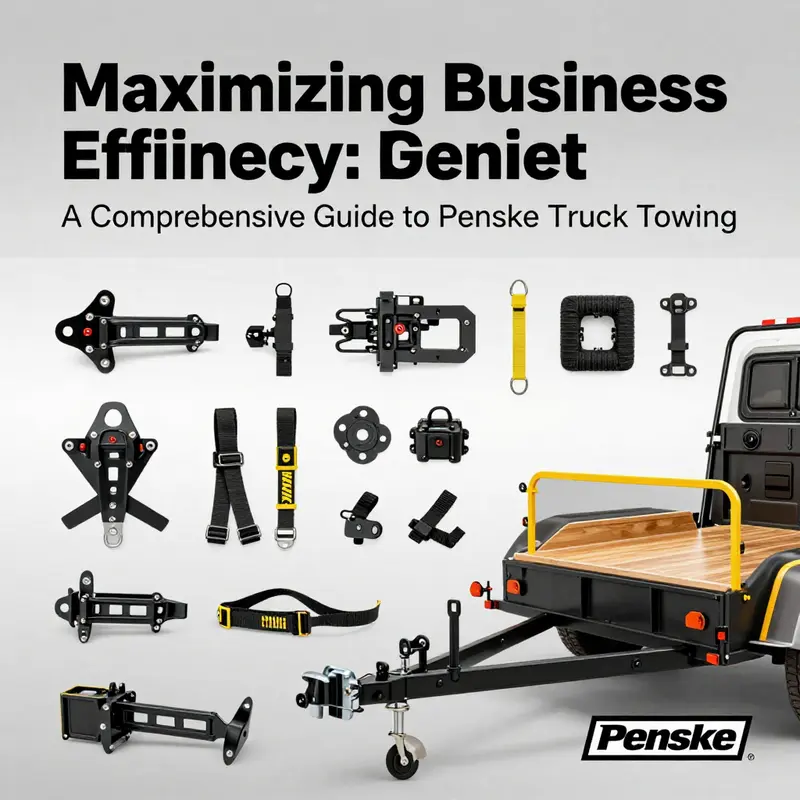
Among the towing equipment commonly used in Penske fleets are devices that support and stabilize a towed vehicle while keeping operation straightforward for the driver. A dolly-style solution can be particularly advantageous when the front wheels of the towed vehicle can be lifted off the ground, which is often preferred for front-wheel-drive or all-wheel-drive cars. With a dolly, the towed vehicle’s steering and drivetrain experience less direct load, and the truck’s hitching system remains essential to secure attachment and prevent unwanted movement. The front wheels rest on the dolly, while the rear wheels either roll on the road or ride on the dolly’s platform, depending on the design. This setup reduces friction and drivetrain wear during transit and can simplify maneuvering in certain traffic conditions. For more on this option, see penske-truck-rental-tow-dolly.
Beyond dollies, the broader category of towing accessories includes hitch receivers, towing bars or hitches, wheel chocks, tie-down straps, and reliable electrical connections for lighting and braking. The exact configuration depends on the vehicle being moved, its wheel arrangement, and the legal requirements of the route. For example, front-wheel-drive cars may benefit from a dolly system because it avoids driving the towed wheels and drivetrain, while some situations call for a full trailer that keeps the entire vehicle on a separate platform. The key is safety and compliance: the hitch must be properly sized, the ball and coupler matched, and the weight distributed so the hitch does not bear more than its design allows. Lighting and signaling connections must be tested before departure to ensure that brake lights, turn signals, and running lights are fully operational for the entire journey. These steps are not merely procedural; they are essential for protecting other road users and reducing liability should an incident occur.
Planning is the cornerstone of a smooth towing operation. Before hitting the road, drivers should perform a loading plan that accounts for every variable. Weigh the vehicle being moved, the weight of any attached equipment, and the tongue weight placed on the hitch. Overloading the hitch can lead to sway, reduced control, or damage to the truck’s hitch and frame. The combination should stay within the truck’s rated towing capacity, and the overall gross weight must align with the vehicle’s towing specifications. Route planning matters too: avoid routes with steep grades or narrow lanes that complicate steering and braking. A detailed pre-trip checklist helps ensure readiness: verify that the hitch is secure, confirm that all connectors are engaged, check tire pressures on both the truck and any trailing gear, test the brakes, and ensure lighting functions across the entire setup. Insurance considerations and the scope of roadside assistance coverage should be reviewed so the plan remains resilient even if conditions change.
Training and guidance round out the practical side of using Penske’s towing equipment and accessories. For many drivers, especially those new to towing with a rental fleet, hands-on coaching and clearly laid-out best practices are invaluable. The guidance emphasizes proper loading techniques, secure tying, and adherence to legal and safety standards. A cautious approach—starting with lighter loads to build familiarity with weight distribution and braking response—helps build confidence before attempting larger or more complex tows. The aim is to minimize risk to people and property while ensuring the move proceeds efficiently. In applying these principles, drivers should also recognize the role of the roadside assistance option: it offers support for emergencies unrelated to towing but does not substitute for a properly prepared towing plan. A well-structured approach blends safe loading, secure attachment, and careful driving habits to maintain control and reduce the chance of a roadside disruption.
To visualize how the pieces fit together, imagine a typical scenario: a customer rents a standard moving truck and adds a smaller trailer or dolly to carry an additional vehicle. The towed unit is positioned on the dolly or secured to the trailer, and a thorough security check is performed. The driver ensures the attachment points are fastened, the wheel restraints are tightened, and the electrical connections are checked. Driving slowly at first, the vehicle owner then gradually increases speed, maintaining ample stopping distance and smooth steering through curves. The result is a controlled, predictable transport that minimizes the risk of damage to either vehicle or the truck and provides a clear, defensible plan if questions arise from law enforcement or insurance providers.
In sum, towing behind a rental truck is not an automatic feature but a carefully managed capability that relies on compatible equipment, precise loading, and strict adherence to safety and regulatory guidelines. Penske’s towing equipment and accessories are designed to support a range of transport needs, from dolly-based front-wheel drives to fully trailer-mounted solutions. The emphasis remains on safety, compliance, and a straightforward process that helps customers achieve their moving or transport goals without compromising on control or security along the way. As the road ahead unfolds, the combination of the right gear, disciplined planning, and a readiness to adapt to local requirements can transform a potential headache into a reliable, efficient, and safe towing experience.
External resource: https://www.penske.com/
Tow Lines and Road Rules: Safety, Compliance, and Capacity in Penske Truck Towing
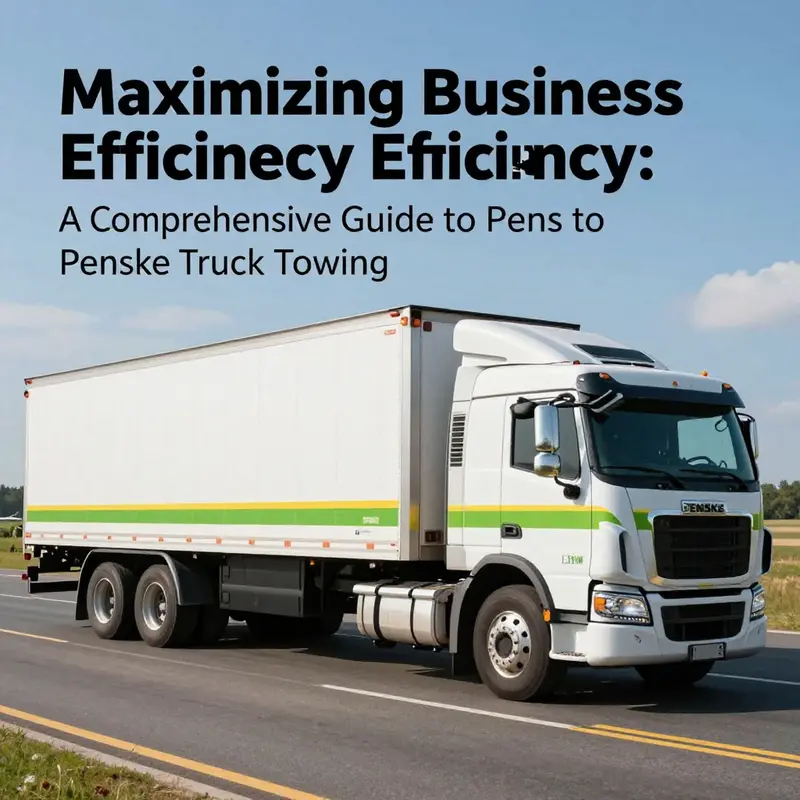
Towing with a Penske rental truck sits at the intersection of utility, safety, and law. The topic sometimes gets tangled in myths—whether a rental can pull a trailer, tow a car behind the truck, or simply move a load with the right hitch. In reality, Penske’s standard rental package does not include towing as a built-in service. The company does offer 24/7 Roadside Assistance for rental customers to handle breakdowns, flat tires, and other emergencies, but this support is not designed to enable towing a vehicle behind a rental truck. Understanding the boundaries of what a Penske truck can and cannot do on the road matters as much as the act of loading and securing cargo. For anyone planning a move that involves more than the truck itself, the path is to plan carefully: verify the towing capacity of the chosen truck, equip the trailer with certified gear, and ensure all operations stay within the framework of federal and state regulations. This mindful approach reduces risk and preserves the integrity of both the vehicle and the people involved in the move.
The practical terrain of towing begins with capacity. Penske’s fleet is classified by weight, from Class 1 through Class 8, and those classifications translate directly into how much weight can be towed. A Class 1 vehicle, for instance, has a GVWR up to 6,000 pounds, while higher classes of trucks can handle progressively heavier loads—up to the ceiling of what a given model is designed to pull. The key rule is simple but non negotiable: the towed load must never exceed the towing capacity of the rental truck. This boundary is clearly stated in the rental agreement and on the vehicle’s specifications, so there is no room for guesswork at the curb. When you assemble a plan for a move that includes trailers or towed equipment, you must confirm the truck’s maximum towing rating before you connect anything behind the hitch.
A second layer of rigor comes from compliance with regulatory standards. Federal guidelines and state laws govern how towing operations must be conducted. The Federal Motor Carrier Safety Administration and the broader Department of Transportation framework outline the requirements for vehicle lighting, braking systems, tires, and structural integrity. If the rental is intended for commercial use, additional rules apply, including hours-of-service limits, vehicle inspections, and safe driving practices. Penske aligns its fleet with these requirements, and customers share responsibility for adhering to them during the rental period. In practice, this means that before you take the wheel, you should be familiar with the basics of inspection and safe operation, and you should plan to perform pre-trip checks that cover lighting, braking, and connection points. A succinct safety orientation is provided to renters, focusing on towing procedures, load securing, and inspection checklists. This orientation is designed to set a baseline of competence so that responsible driving remains the default while you’re on the road.
In the realm of equipment, the right gear matters as much as the right trailer. Tow equipment standards require that any hitch, ball mount, or other component be compatible with the rental truck and, crucially, certified or manufactured to the appropriate standards. Using non-certified gear or improvised connections can compromise safety and also complicate insurance coverage. Penske offers compatible tow hitches and ball mounts for many trucks, but the onus remains on the renter to ensure that every piece of equipment is appropriate for the specific vehicle, the weight being towed, and the route planned. The calculation of load distribution, proper hitch height, and proper attachment points are not cosmetic details; they are the core of safe towing. When you verify compatibility, you also verify that the connection to the trailer or towed load remains secure during movement, including through corners, lane changes, and highway gusts.
The decision to tow is not a mere add-on to a rental; it is a coordinated activity that blends equipment specification, regulatory compliance, and driver responsibility. Renters must be properly trained and licensed to operate the class of vehicle they rent, and Penske’s safety orientation supports this requirement. After receiving the orientation, drivers should feel confident in basic towing procedures, load securing, and the inspection routines needed for a safe trip. In addition, the towed load itself must be secured so that it cannot shift or detach during transit. This is not merely a precaution; it is a safety imperative that affects braking performance, steering control, and driver visibility. A well-secured load reduces the likelihood of sway, hitch failure, or tire damage and ensures that the journey remains manageable even in adverse conditions.
An important nuance often highlighted in driver advisories is the distinction between towing a vehicle behind a rental truck and moving additional equipment such as a trailer or a dolly. Penske’s policy emphasizes that towing a vehicle behind a rental truck is generally outside the scope of the standard rental. If your plan involves a towed vehicle or a trailer, it is essential to confirm the truck’s capability for that specific purpose and to equip the rig with the appropriate towing gear. The equipment must be attached in accordance with manufacturer recommendations, and all connections must be tested before departure. Even with careful preparation, the operation should be monitored for signs of mechanical strain or connection loosening, and the route should be planned to minimize long stretches of highway driving with heavy cargo.
For added support on the road, renters can rely on the 24/7 roadside assistance program. While this program is invaluable for emergencies, it is not a towing solution for a towed vehicle behind a rental truck. If you encounter a breakdown or a tire issue, the roadside team can provide assistance to the truck itself and help get you back on the road, or arrange for appropriate roadside help for the rental vehicle. For issues surrounding the trailer, hitch, or connection to the towed load, the same safety principles apply: verify the equipment, confirm weight compatibility, and consult the rental terms and conditions. If you want a direct, practical touchpoint while planning or on the road, you can explore the Penske roadside resource for guidance and support. Penske Roadside
The practical choreography of safe towing also hinges on the responsibility renters bear. Pre-rental training emphasizes not only how to operate the vehicle but how to conduct a thorough inspection of the towing setup. A systematic approach—checking the hitch connection, ensuring the electrical wiring is intact, confirming the lighting and brake signals on the towed unit, and verifying proper weight distribution—reduces the risk of an accident or a failure that could compromise the entire move. Alongside this, renters must keep a keen eye on the vehicle’s own limits: the maximum gross combination weight rating (GCVWR) for the truck, the tongue weight of the hitch, and the overall weight of the trailer and cargo. Crossing these thresholds is not simply a matter of policy; it affects braking distances, acceleration response, and the ability to maneuver safely through traffic or congested urban streets.
Beyond the mechanical and regulatory aspects, the chapter on towing safety with Penske trucks also invites a broader reflection on planning and adaptability. A move that involves towing demands attention to routing, weather, and road conditions, as well as the time allocated for loading, unloading, and securing. The careful alignment of vehicle class, towing capacity, and equipment, followed by rigorous compliance with safety checks, creates a margin of safety that supports a smoother, more predictable move. The narrative here is not about pushing the truck to its limits; it is about respecting the boundary lines that keep people and cargo secure. The end result is a move that proceeds with greater confidence, backed by a framework of standards and a clear understanding of what to expect in the event of roadside challenges.
For readers who want to explore the regulatory foundations behind these practices, the broader context is available through federal guidance on motor carrier safety and vehicle standards. This external resource helps frame why the towing policies exist in their current form and why proper equipment, training, and compliance matter in any moving operation. https://www.fmcsa.dot.gov
Beyond the Roadside Reply: Mastering Support, Safety, and Towing with a Penske Rental Truck
Tow planning isn’t only about the truck you choose or the weight you can pull. It begins with the recognition that towing behind a rental truck combines the logistics of a move with the discipline of safe operation. When a moving plan includes a rental truck with towing ambitions, the safety net of customer support and the realities of roadside assistance shape every decision. This chapter follows that thread from crisis response to the careful engineering of a lawful, safe tow, showing how a provider’s support network becomes both shield and instructor as weight and wheels enter the scene.
The 24/7 roadside assistance offered to rental customers is a cornerstone of the experience. It is designed to respond quickly to breakdowns, flat tires, jump starts, lockouts, and other emergencies that can derail a move or derail a schedule. The service aims to keep you moving or to secure your situation long enough to get help where and when it’s needed. Yet there is an important nuance: this help is not a towing service that will haul a vehicle behind the rental truck. In other words, if your plan includes moving a towed vehicle or trailer, you must arrange the right equipment and ensure it is properly licensed, rated, and road-legal. The policies are clear. The truck and any attached or towed arrangement must stay within safe weight limits and comply with state laws. The rental company does not magically convert a standard truck into a heavy-haul solution; rather, it offers the tools—trailers, hitch components, tow accessories, and access to a support network—to facilitate a controlled, compliant towing setup.
Understanding the capacity matters as much as understanding the plan. Each truck model has defined towing and payload envelopes, and the combined weight of the vehicle, the trailer or dolly, and the load must remain within the vehicle’s GVWR and payload rating. Exceeding those limits can compromise braking, steering, and stability—precisely what you want to avoid when you’re maneuvering through busy streets or negotiating unfamiliar routes with a towed unit in tow. Because towing capacity depends on the specific configuration you’ve rented, it’s essential to verify the exact limits before you depart. Some setups permit a lightweight trailer with a small vehicle, while others require more capable towing arrangements. The discipline of planning—calculating base vehicle weight, adding passenger and fuel weight, and then factoring in the tongue weight and cargo on the trailer—becomes a habit that pays dividends on the road.
Hardware choices move the plan from theory to practice. You may decide to bring your own hitch or to rent towing accessories alongside the truck. Tow dollies, in particular, can extend the range of what you can move, but they come with their own constraints regarding load distribution, braking, and lighting. A trailer opens additional possibilities, yet it demands careful attention to hitch connection quality, safety chains, wiring for lights, and braking considerations if required by weight. Before you hit the highway, make a thorough pre-trip check: confirm proper attachment, ensure security straps are tight, and place wheel chocks as needed. The responsibility chain includes the driver, the rental company, and, where applicable, local authorities, all aligned toward a single goal—safe, compliant operation. The result is not just peace of mind; it is a framework that supports you if something doesn’t go as planned.
Planning for towing with a rental truck also means navigating a landscape of regulations that vary by jurisdiction. Different states have distinct requirements for braking systems, lighting, and route restrictions when a trailer or towed vehicle is involved. The best approach is to treat the roadside team as a partner who helps translate those rules into a practical plan. They can guide you in choosing compatible equipment, checking licensing requirements, and mapping a route that minimizes risk while keeping the move on track. The value of that support goes beyond crisis response. It includes proactive guidance on equipment fit, electrical compatibility between the towing setup and the truck, and the sequencing of steps needed to stay compliant from origin to destination.
As part of this preparation, it pays to think about the right hardware for the job. Trailers and tow gear aren’t cosmetic add-ons; they are integral to safe handling. A trailer-heavy configuration demands careful attention to weight distribution and the braking system, while a tow dolly typically reduces overall mass but imposes its own traction and alignment considerations. Ensure that the combined mass of the towed item, the trailer or dolly, and the truck does not exceed limits. If uncertainty remains, consult the roadside support team, document your load, and re-check the numbers before departing. Such due diligence helps you avoid a setback that could escalate into a safety concern or a legal issue.
On the road, the discipline continues with every mile. Maintain steady speeds appropriate for the configuration, leave extra room for stopping distances, and account for wider turns when a trailer or dolly is attached. The lighting and signaling for the towed unit must stay in harmony with the truck’s system, so brake lights, turn signals, and tail lights function coherently. If a hiccup arises—an intermittent electrical connection, a blown fuse, or a tire issue—the 24/7 helpline is there to coordinate a safe resolution without breaking the overall plan. In the event of a collision or accident involving the rental vehicle or its towed load, the same network can help you secure the scene, file reports, and obtain guidance on next steps and coverage. The practical upshot is that roadside support becomes an indispensable element of the moving strategy, not a distant afterthought.
To summarize, towing with a rental truck is a coordinated endeavor that benefits from a robust support framework, a clear understanding of weight limits, and access to the right equipment. Treat roadside assistance as a partner in planning, not merely a crisis resource, so you can translate questions about capacity and compliance into confident, safer execution on the road. If you want a concise overview of the support structure guiding these scenarios, see the roadmap provided by the roadside program and the practical guidance on hitch and trailer setups that help clarify what configurations are permissible for your move. For a broader look at the support landscape in action, you can explore additional insights through a dedicated resource on roadside services, which offers context on how the network responds in real-world towing situations.
For further reading on the practical side of staying connected to road-side help, the following resource provides a broad view of the available services and how they support towing-related contingencies: Penske Roadside.
External resource: https://www.pensketruckrental.com/roadside-assistance
Final thoughts
Understanding Penske truck towing is critical for business owners aiming to maximize efficiency in transportation. This guide emphasizes the limitations, necessary equipment, safety protocols, and vital support services that Penske offers. With this knowledge, you can confidently approach your towing needs, ensuring compliance with regulations while optimizing your logistical operations.