
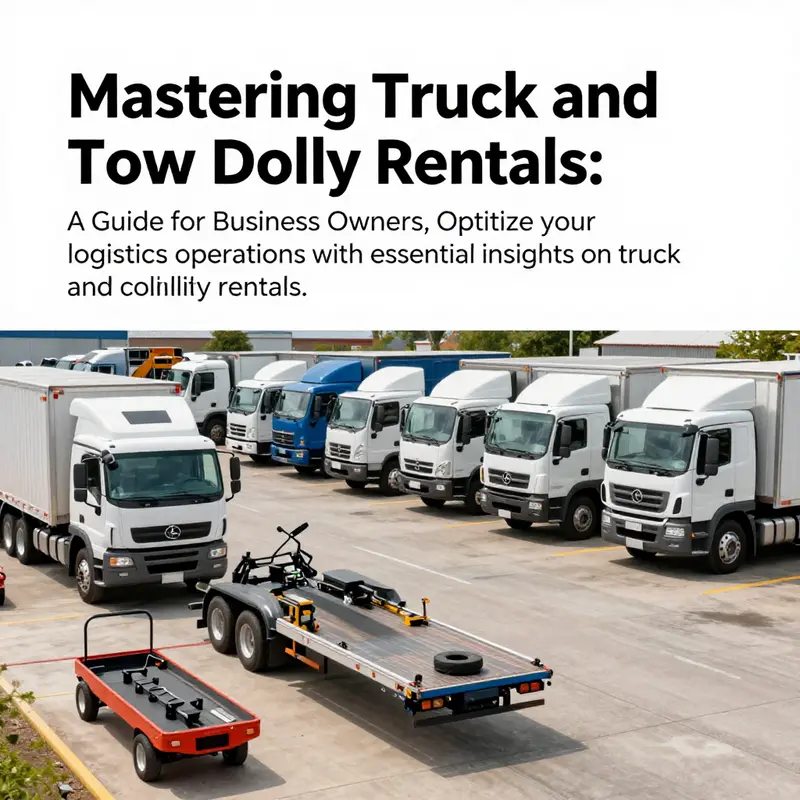
For business owners involved in logistics, understanding the subtleties of truck and tow dolly rentals can significantly streamline your operations. Whether you’re relocating goods or transporting equipment, knowing your options can lead to efficient, cost-effective solutions. This guide will dive deep into the various rental options available, guide you on selecting the right equipment for your needs, compare costs, and emphasize the importance of safety during usage. Equip yourself with the knowledge to make informed decisions that will enhance your business logistics.
Moving with Confidence: A Deep Dive into Truck and Tow Dolly Rentals
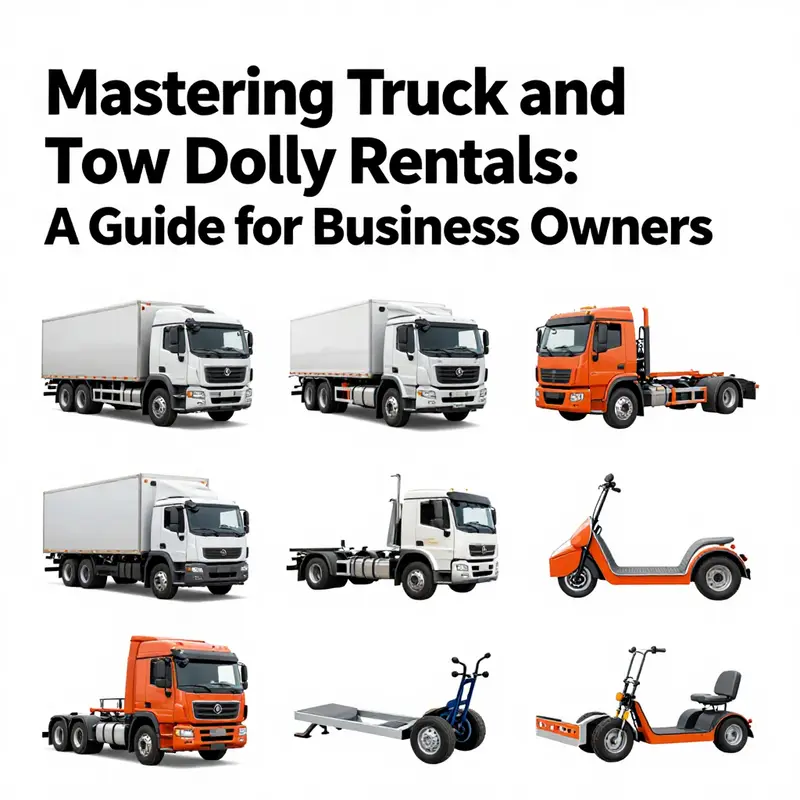
When a move stretches beyond a simple carload and into a longer haul, the right combination of equipment can save time, protect your investment, and keep stress well in check. The decision to rent a truck paired with a tow dolly is about balancing convenience, cost, and safety. A tow dolly is designed to carry a vehicle with its front wheels elevated, letting the rear wheels steer and roll on the road. This setup is especially advantageous for short moves, local hauls, or times when a car is not drivable but still needs to be transported without disassembling a lifetime of belongings. The logic behind this approach is straightforward: it prevents drivetrain wear caused by towing a non-running car behind a moving truck and reduces the amount of equipment you must drive, park, and maneuver in tight spaces. Yet the specifics of how to select the right truck and tow dolly, how to pair them for a given vehicle, and how to operate the system safely are nuanced topics that deserve careful attention. If you are exploring the options, you’ll find that a well-chosen rental combination can turn a potentially complicated mission into a smoother, more predictable project. To understand the broader landscape, think about the practical roles each piece plays in the moving equation. The truck provides power, space, and control, while the dolly provides a stable, simple method to reposition a vehicle without turning it into a road-worn liability. This distinction is not merely a matter of cost or convenience; it’s about integrity of the vehicle being moved, the safety of everyone sharing the road, and the efficiency of the overall operation. As you plan, remember that rental ecosystems are designed to be user-friendly, with step-by-step guidance, roadside assistance options, and online resources that translate a potentially intimidating task into a clear sequence of actions. A reliable rental provider typically offers clean, well-maintained trucks, a range of dolly configurations, and tools to help you assess load compatibility before you hit the highway. The goal is to arrive at your destination with a vehicle that has been kept out of harm’s way, and a move that feels more like a well-executed plan than a rushed improvisation. The practical backbone—how to choose, how to pair, and how to operate—can be understood through a few guiding principles that apply regardless of the exact brands or models you encounter.
First, the core concept of a tow dolly is simple. The front wheels of the towed vehicle ride on the dolly’s platform, while the rear wheels remain on the road. This arrangement reduces drivetrain strain and makes the car easier to maneuver once you’ve parked. For most passenger cars with front-wheel drive, a two-wheel tow dolly is typically sufficient. If you’re towing a vehicle with especially low ground clearance, or one with a front-end aero profile that could scrape, you might encounter the need for an elevated ground clearance dolly. These variants are designed to minimize contact between the vehicle’s undercarriage and the dolly, guarding against scrapes as you negotiate driveways, speed bumps, or uneven pavement. For off-road conditions or performance vehicles with particularly sensitive undersides, an all-terrain dolly option can offer heavier axles and higher-traction tires, though it comes with greater weight and cost. As you weigh these choices, consider not only the vehicle’s weight but also its wheelbase, axle-to-front-end clearance, and the shape of the undercarriage. A longer wheelbase can place more require-ments on how the dolly is aligned and strapped, while a very low front end may necessitate additional ramps or lift angles to avoid dragging. In a practical rental scenario, your licensed operator or the rental agent can help you determine whether a two-wheel dolly will suffice or whether an elevated option better suits the vehicle you’re moving. The goal is to minimize contact with sensitive components while maintaining a stable, predictable towing experience across the drive.
Second, the rental truck you choose should align with both the weight and the dimensions of the load you plan to move. Weight is not a vague concern here; it directly affects braking distance, tire wear, and how much power you have on hills or highway merges. The right truck size provides enough space for your belongings and allows for safe, even weight distribution. If you are moving a small apartment or studio, a compact moving truck can offer sufficient payload capacity and maneuverability. For larger moves, a mid-size or full-size moving truck might be necessary to keep furniture from crowding the cab and to ensure you don’t exceed the truck’s load limit. The truck also needs to accommodate the dolly behind it, so you’ll want a vehicle with the hitch system and towing capacity appropriate for the kit you plan to use. In practice, the process often involves a quick assessment of the vehicle’s gross weight and a yield assessment for the combined weight of the truck, dolly, and towed vehicle. Renting from a provider that offers clear load charts and user-friendly checks makes it easier to stay within safe operating boundaries. The right plan, in other words, combines the truck’s mass with the dolly’s profile to deliver predictable performance, predictable fuel consumption, and steady handling on the road.
Third, the logistics of a tow-dolly move demand a careful, proactive approach to safety. Even the most routine hauls become routine only after you have built a checklist that covers the essentials: secure the towed vehicle to the dolly, ensure all lights and brakes on the dolly function correctly, and confirm that your own vehicle’s mirrors, turn signals, and braking systems remain responsive after coupling. The actual hitching process is a small, precise sequence: attach the dolly to the truck’s hitch, connect the safety chains, align the tow vehicle, and position the dolly so that the towed car sits squarely on its platform. A critical step is to strap the vehicle down with rugged, purpose-built tie-downs that are rated for the weight of the towed car and that maintain tension as you drive. If the towed vehicle has hydraulic or mechanical components that should not shift, secure those elements as well to prevent rattling or movement that could compromise alignment. The brake and lighting connections between the truck and the dolly deserve particular attention. A properly wired system ensures that both the truck and the dolly communicate braking and signaling information to other drivers. Before departure, test all signals, check the bolting patterns on the dolly wheels, and walk around the load to confirm that nothing has loosened during the hitching process. A small investment of time here pays dividends in safer highway operation, fewer roadside interruptions, and peace of mind as you cover longer distances.
Fourth, the practical nuts and bolts of renting a truck and a tow dolly are easier when you treat the process as a planning exercise rather than a last-minute sprint. Start by outlining your route, the estimated distance, and any potential changes in weather or road conditions along the way. Weather, particularly rain or snow, can alter the dynamics of a tow-dolly setup, affecting traction and visibility. Check the rental terms for mileage, fuel policies, and insurance options, and be sure to understand what is included in the base rate versus what could accrue as add-ons. Insurance can be a particularly tricky area, because it may differ depending on whether you are using a one-way rental, a local move, or a combination with your own vehicle. Some providers include basic coverage, while others offer expanded protection for a modest daily surcharge. If you already carry auto insurance, confirm whether it extends to the rental equipment and under what conditions. A common misstep is assuming that the rental price covers all risk factors—drivers need to verify their coverage and the provider’s liability framework to avoid gaps that could complicate a claim if damage occurs. The planning process also includes a practical inventory of what you’re transporting, because the weight distribution on a dolly can be sensitive to where you place the heaviest items. Packing furniture so that heavier items are low and toward the center of the load helps maintain stability as you drive. It also reduces the likelihood of shifting that could loosen straps during long hauls. If you have to navigate stairs, elevator lobbies, or tight courtyards, plan your loading and unloading so that the truck can back into controlled spaces rather than forcing you to maneuver the tow-dolly setup into a tight corridor. In short, the move becomes a choreography, not a series of ad-hoc decisions. An orderly, well-documented plan keeps you ahead of surprises and helps preserve the condition of both vehicle and belongings.
Fifth, the decision to rent a truck with a tow dolly should be grounded in a realistic assessment of your own driving comfort and skill with towing. Towing a vehicle, even with a dolly, invites a different kind of attention on the road. You’ll need to adjust your driving style, especially in terms of acceleration, lane changes, and braking. Allow for longer stopping distances, especially when the towed car adds weight behind you. If you’re unfamiliar with towing operations, seek out brief training resources—many rental providers supply how-to videos and step-by-step guides to help you understand hitching, load securement, and basic maintenance checks before your first trip. The knowledge you gain from these resources becomes part of your confidence bank, enabling you to respond calmly to the inevitable, albeit manageable, hiccups of a long move.
In a practical sense, the question of whether to rent a truck and a tow dolly can be answered by evaluating the kind of move you’re undertaking, the condition of the vehicle you’re transporting, and the road realities you expect to face. If your car is drivable but you want to spare it from wear and tear, a tow dolly can be a smart middle ground between a full trailer and simply driving the car yourself. If you’re carrying a lot of household goods in a single trip, and you want to control budget and schedule tightly, a moving truck tailored to your load with a compatible dolly can deliver efficiency at scale. The rental ecosystem is designed to support both approaches with flexible configurations, online tools, and customer support that can guide you through the decision and execution. The process of choosing, pairing, and operating a truck and tow dolly is, at its core, a problem of balance: balance between weight and space, between safety and speed, and between cost and convenience. When you approach the task with a clear plan, clear load distribution, and the humility to rely on tested safety practices, you transform a potentially complex logistical operation into a predictable, well-executed mission. For those curious about the nuances of a specific towing pairing, a focused resource on truck-rental-with-tow-dolly arrangements can provide practical insights while remaining mindful of the broader framework described above. As you study the options, one path to concrete understanding is to explore a dedicated discussion that aligns with the central idea of this chapter. penske-truck-rental-tow-dolly. This kind of targeted reference can illuminate how a major rental company frames the pairing and what they consider when validating the compatibility of truck, dolly, and towed vehicle, helping you translate general principles into a concrete, real-world plan.
Finally, while the exact brands you encounter will vary by location and season, the underlying logic remains consistent. You want a plan that protects the towed vehicle’s drivetrain, respects weight and balance limits, and keeps you within comfortable tolerance for drive time, weather, and road conditions. A well-chosen truck and tow dolly combination gives you the flexibility to relocate quickly, securely, and with confidence. It also invites you to approach the move as a controlled process rather than a sequence of improvisations. With a little preparation, a dependable rental partner, and attention to the fundamentals of hitching, load securement, and safety checks, you can navigate this complex task with the same calm that characterizes a carefully executed road trip. For additional context on the practicalities of using a tow dolly in rental scenarios, consider exploring resources that discuss local pickup, one-way moving, and the nuances of trailer and dolly compatibility as part of the broader moving toolkit. And if you want a quick, external reference to a comprehensive towing guide, the following resource provides a broad overview of dolly selection and road safety considerations to supplement your planning: https://www.uhaul.com/rentals/tow-dolly/
Matching Vehicle, Distance, and Gear: How to Choose the Right Truck and Tow Dolly for Your Move
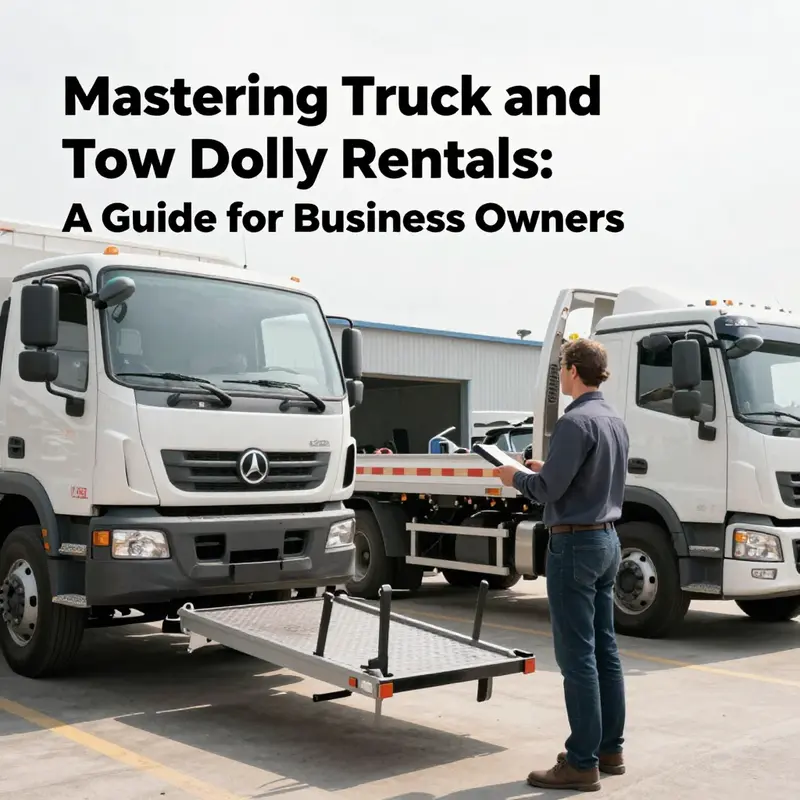
Choosing the right combination of truck and tow dolly is about aligning equipment with the specifics of the move and the vehicle you plan to transport. The goal is to minimize risk, protect your investment, and keep the journey smooth from pickup to delivery. In practice, that means starting with a clear picture of what you are moving, where you are moving it, and how far the trip will be. If you are relocating a small household or transporting heavy, durable items, a pickup-style truck with an open bed can offer surprising versatility. The bed’s strength and frame provide reliable support for furniture or large appliances, and the vehicle’s maneuverability often makes city streets and tight neighborhoods easier to navigate than a larger moving trailer. Yet when cargo space grows or distance stretches, a tow-behind moving trailer may become the more practical option. These trailers can be pulled by a car, SUV, or pickup, and their flexibility in cargo capacity is a strong asset for longer relocations or moves that involve a mix of boxes, furniture, and specialty items. The choice between a truck and a trailer hinges on two sets of factors: the size and type of your load and the type of trip you are planning. In this space, the conversation stays focused on how to size up those variables and make a choice that avoids surprise costs and potential damage to your vehicle.
When you anticipate towing a vehicle with a dolly, the drivetrain of that vehicle becomes a central factor. Tow dollies are designed to lift the front axle, enabling two wheels to be off the ground while the rear wheels remain on the road. This arrangement is ideal for front-wheel-drive cars, which rely on the front axle for propulsion and steering. Before you commit to a dolly, confirm your vehicle’s drivetrain and consult the rental terms to ensure compatibility. If the car you are moving is rear-drive or all-wheel-drive, you will want to consider whether a dolly is the right method at all. Some carriers offer alternative tow equipment, but in most cases the dolly remains the practical choice for FWD cars, light trucks, and certain compact SUVs. This is a moment to pause and reference a broader guide on choosing tow equipment, which lays out the considerations in concrete terms and helps you translate vehicle specifications into a rental decision.
From there, the geometry of the move comes into play. For shorter moves and tight access, a smaller truck with a secure towing accessory can be a sensible starting point. The bed length, payload rating, and braking system of the truck determine how much you can carry and how safely you can stop under load. In contrast, longer moves with a higher volume of items may demand more cargo space. A tow-behind trailer—pulled by a car, SUV, or pickup—offers flexible capacity and sometimes a lower overall handling burden when compared to a larger single-rental truck. The balance between truck size and trailer capacity is not a matter of chasing maximum footage on a spec sheet; it is about matching the vehicle’s horsepower and hitch setup to the weight distribution of your load and the terrain you will encounter along the route.
The practical step in this decision process is to build a simple, scalable checklist that you can apply to any rental quote. Start with the basics: verify your vehicle type and drivetrain, confirm the weight of the items you intend to move, and determine whether the equipment can safely accommodate that weight. If you are transporting a car using a dolly, you will want to measure the car’s length, confirm its curb weight, and check the dolly’s load rating. Then look at the load path: will you be loading heavy items directly into a truck bed, or will you distribute heavier pieces across a trailer’s deck? Next, examine the terrain you will traverse. If you are moving through hilly terrain, mountainous routes, or unpaved stretches, you will want equipment with robust braking and a hitch system that remains stable under varying wind and road conditions. A straightforward step-by-step approach can help you avoid missing crucial points and ensure the equipment you choose aligns with the task at hand.
Cost, of course, enters the conversation early, but it should not be the sole driver. A low daily rate can mask hidden fees for mileage, insurance, or truck fuel, turning a bargain into a strain. Reputable rental providers typically publish transparent pricing and provide a clear breakdown of what is included and what is not. If a quote seems sparse on detail, push for a full itemized estimate that covers the base rental, any equipment add-ons, insurance options, mileage limits, and return policies. It is also practical to compare options across providers by asking about the same set of variables: truck size and availability, dolly type (two-wheel versus elevated or all-terrain variants), weight ratings, and the presence of safety features such as wheel chocks, secure tie-down points, adjustable hitch assemblies, and dependable braking mechanisms. These features are not decorative; they are the safeguards that protect your vehicle during loading, transport, and unloading, especially when you are dealing with front-wheel-drive cars on a dolly where control and balance are paramount.
Safety is not a luxury; it is a prerequisite for any move involving a dolly and a larger tow vehicle. If you are new to towing, or you are moving in conditions that require careful handling—narrow roads, high elevations, wet or icy surfaces—choose a package that emphasizes stability and control. Look for wheel chocks that stay in place, a hitch with easy adjustments for weight distribution, and a dolly with a braking mechanism or a reliable braking option on the tow vehicle. The safety architecture of the equipment matters as much as the capacity ratings. You should also verify the availability of roadside assistance or support from the rental company. A 24/7 response option can be a lifesaver if you encounter a tire issue, a gate code problem, or a hitch misalignment during the move. The reassurance that help is a phone call away can save you hours of delays and anxiety on the road.
Another layer of due diligence concerns the equipment’s condition and maintenance history. A clean, well-maintained truck and a dolly that shows no signs of excessive wear reflect a provider’s commitment to reliability. It is reasonable to request recent maintenance records or to request a quick on-site inspection before you drive off. A well-maintained set of wheels, tires, brakes, and tie-down hardware reduces the risk of a breakdown or accident and helps you plan a route with fewer interruptions. If you are shopping with a provider that offers online resources—how-to videos, loading guides, and status updates via an app—take advantage of these tools. They can help you prepare for the drive, execute the loading process correctly, and keep you informed about the rental status in real time, which is especially valuable for longer moves with multiple legs.
For those who want to anchor the decision in a broader picture, consider how the rental aligns with your moving timeline. If you are making a one-way trip with a tight deadline, the ability to pick up and drop off at convenient locations, plus flexible mileage allowances, becomes a major factor. If your move is more open-ended or you are relocating a bulk of goods with occasional trips to storage, you may benefit from a trailer solution that offers expanded cargo capacity without forcing you to operate a larger, heavier truck on day-to-day roads. Either way, your goal is to avoid a mismatch between what you think you need and what you actually rent. A mismatch can lead to paying for capacity you do not use or finding yourself short of space when you fill the truck or trailer to near-maximum weight limits.
To connect the practical with the practical, it is useful to anchor the discussion in a real-world framing. Suppose you are planning a move that will span several days and involves both boxes and a few bulky pieces of furniture. A moderate-sized truck with an appropriately rated dolly can cover most of the common scenarios in such a move. If the plan also includes towing a compact car, the front-wheel-drive vehicle would be a natural fit for a dolly setup, provided you have confirmed the drivetrain and weight constraints with the rental provider. If the move is more ambitious—long distances, a large quantity of belongings, or a vehicle that does not fit neatly on a dolly—then you might explore a tow-behind trailer as an alternative. In either case, the decision rests on precise compatibility checks, careful weight budgeting, and an understanding of how the equipment behaves under different loading conditions.
As you refine your choice, you can deepen your understanding of the nuances by exploring the mechanics of the trucks and trailers you are considering. This includes recognizing that not all two-wheel dollies are identical. Some models are optimized for ease of hookup and stable wheel contact, while others emphasize ruggedness for rougher terrain. Elevated ground clearance dollies are designed to minimize undercarriage scraping on SUVs or lifted vehicles, though they tend to be heavier and pricier. For off-road contexts or when the road profile is uncertain, an all-terrain variant with heavier axles and higher-traction tires can make a meaningful difference in performance and safety, despite the additional weight and cost. The bottom line is that the right choice is not a single dimension of capability. It is a balance between vehicle type, load weight, trip distance, road quality, and your own comfort and experience behind the wheel.
During the decision process, one practical tactic is to reference related resources that translate technical specs into actionable guidance. For instance, a comprehensive guide focusing specifically on tow dollies can illuminate the choosing process and help you translate the numbers on a rental quote into real-world expectations. A well-constructed guide will cover drivetrain compatibility, dolly weight limits, hitch types, wheel chocks, and braking options, all while offering a comparison of typical costs and service commitments. If you want a quick, concrete mapping of how truck size relates to moving needs, you can also consult a targeted article that outlines common configurations for 16-foot and similar moving trucks. It is a straightforward way to anchor your expectations about capacity and maneuverability as you compare quotes. See the practical exploration of truck size in the article titled 16-foot-truck for a concise overview of how compact trucks fit into many residential moves. 16-foot-truck
In the end, the right rental choice marries practical load logistics with honest price and dependable support. If you are moving a small home or a single car, a two-wheel dolly attached to a mid-range truck can provide a balanced solution that handles both the weight and the maneuverability demands of the task. If your plan involves a higher volume of items, or if you anticipate challenging road conditions, stepping up to a trailer-based arrangement or a larger truck with enhanced braking and hitch control may be warranted. The key is to build a small, repeatable decision framework—confirm the vehicle type, confirm the load size and weight, verify drivetrain compatibility with the towing gear, and check the rental terms for insurance, mileage, and return. When you keep these elements in sync, you reduce the risk of last-minute surprises, protect your vehicle from avoidable damage, and preserve your own peace of mind along the route.
For readers who want to go deeper into the specifics of tow dolly selection, a targeted external resource offers a structured breakdown of the considerations that matter for safety, compatibility, and performance on the road. This guide walks through the criteria in a practical, user-friendly way and complements the internal resources available through localized rental hubs. You can access this external guide here: Tow Dolly Guide
Weighing Costs and Capacity: A Practical Chapter on Renting Trucks and Tow Dollies for Vehicle Transport
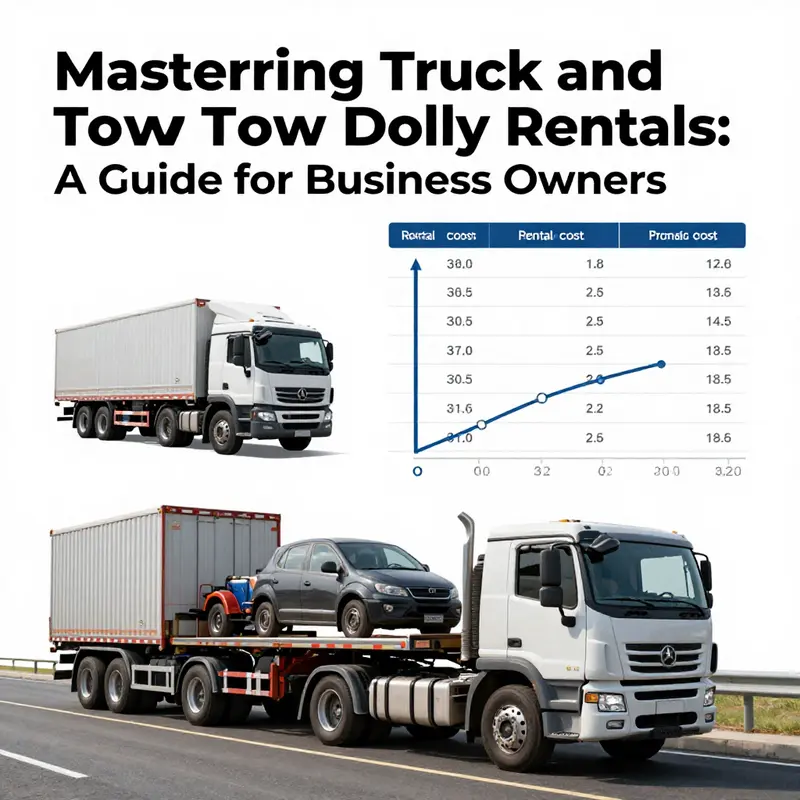
When a move hinges on transporting a vehicle, many forces collide: budget, distance, vehicle type, and the realities of what equipment you have access to. The choice between renting a tow dolly or a full moving truck is not merely a price comparison; it is a choreography of efficiency, safety, and practical limits. A tow dolly is designed to lift the front wheels of a car so that the rear wheels roll on the road, effectively turning the act of moving a car into a two-wheel drive task behind a towing vehicle. A moving truck, by contrast, opens space for furniture, boxes, appliances, and a household, but it carries its own cost, its own fuel footprint, and its own maintenance considerations. In this chapter we will explore how these options stack up financially under typical scenarios, how vehicle type and distance shape the math, and how to plan so that the economics align with safety and reliability rather than mere sticker price.
First, let’s anchor the discussion in the numbers that most often drive the decision. Tow dollies are widely marketed as an economical choice for short- to mid-range vehicle transport, especially when the user already owns or can access a separate pulling vehicle. As of early 2026, daily rental rates for a standard tow dolly typically fall in the range of roughly twenty to fifty dollars. Weekly rentals tend to hover around a hundred to two hundred fifty dollars, depending on region, demand, and the specific equipment. Those figures are not just a label on a price tag; they translate into real, actionable savings if you are moving one or two vehicles over a moderate distance and you already have a tow vehicle or one you can borrow. The practical advantage is clear: lower daily costs, simpler logistics for short moves, and the ability to leave your furniture and boxes behind if you are not relocating an entire household. An experienced mover can plan a weekend or a long weekend to move a car with a tow dolly at a fraction of the cost of renting a full-size truck.
On the other side of the ledger sits the moving truck, which is typically priced by the day and by the truck size. A 16-foot or 20-foot model might begin around forty dollars per day in some markets, but larger models—think 26-foot trucks that are commonly used for full household moves—tend to rise significantly, often exceeding a hundred dollars per day in many regions and swelling further depending on demand, location, and whether one-way rentals are involved. Weekly rates for a larger truck can easily reach three hundred to five hundred dollars or more. It’s not just the sticker price; fuel consumption climbs with the vehicle’s size, and mileage policies can add cost if you’re traveling long distances or crossing state lines. When you factor in fuel, mileage, potential tolls, and the extra effort of loading and unloading bulky items, the all-in cost of a truck can become substantial—even if the base daily rate looks modest. The math becomes especially stark when you’re transporting only a car or two and you do not need the cargo space for furniture or appliances.
This economic framework immediately prompts the practical question: what are the tipping points where a tow dolly makes sense, and where does a moving truck win out because of capacity and complexity? The answer is not one-size-fits-all; it rests on a mix of vehicle type, distance, and the scope of the move. For front-wheel-drive cars, a two-wheel tow dolly is the default option. It is compact, relatively lightweight, and well-suited to non-strenuous towing needs. For vehicles with front-wheel drive but higher ground clearance or a lower undercarriage, an elevated-ground-clearance tow dolly or an all-terrain model can reduce the risk of scraping, though such dollies add heft, complexity, and cost. SUVs, lifted trucks, and performance cars can push the boundaries further. In those cases, a careful assessment of undercarriage clearance, hitch compatibility, and tire wear becomes essential. From a cost perspective, the more specialized the dolly, the higher the rental price and, sometimes, the longer the prep time required.
Distance adds another layer to the calculation. Short local moves with a modest total mileage often reward the tow dolly option. You can complete the task with one or two days of rental, minimize fuel burn, and avoid the overhead of loading and driving a large, gas-thirsty truck. Over longer distances, however, the equation shifts. The tow dolly’s lighter footprint can be a blessing for fuel economy, but it also imposes constraints on speed, maneuverability, and the towing vehicle’s own capabilities. A larger move, say across multiple states or into unfamiliar terrain, may entail planning stops for inspections, rest breaks, and potential contingencies. In such cases, a moving truck—despite its higher cost—brings a broader margin of error. It provides a stable, self-contained platform for vehicle transport and for items that might otherwise require separate rentals or shipments.
The decision also hinges on how cleanly you can separate the car from the rest of the move. If the objective is strictly to relocate one or two vehicles without shipping large household goods, a tow dolly can be the most economical approach. You avoid the mass, bulk, and fuel cost of a large truck, and you can leverage your existing vehicle to complete the towing task. If the move involves a full household—beds, dressers, couches, appliances—the economics shift profoundly. Even when you own a tow vehicle, you may still end up renting a moving truck to accommodate everything, because the space on a tow dolly is limited and the set-up time for multiple cars can quickly become impractical.
Beyond the base rental costs, a realistic budget must account for ancillary factors that can tilt the balance. One of these is mileage and fuel; many rental companies impose mileage caps on daily rates, and the remaining miles are charged at a per-mile rate. A full-size moving truck can guzzle fuel, and the per-mile or per-gallon cost compounds quickly on longer journeys. Insurance coverage is another area where the true cost can diverge from the sticker price. Basic liability may be included in the rental agreement, but additional coverage or upgrades for the towing setup can add to the daily rate or to the overall rental package. If you are moving a car with a tow dolly, you may need coverage for the towed vehicle as well, which can influence your decision when budgeting for the move.
From a safety and logistics perspective, the choice between a tow dolly and a moving truck becomes a question of control and risk. Tow dollies require secure attachment to both the towing vehicle and the towed vehicle. This means proper hitch installation, effective safety chains, and reliable tie-downs for the towed wheels. For vehicles with all-wheel drive or questionable front-wheel drive integrity, the towing process may demand extra caution or specialized equipment. On the other hand, a moving truck offers a contained environment and a built-in loading ramp, which can reduce the risk of damage during loading and unloading for bulky items. The downside, of course, is the increased chance of minor damage to the truck itself if you misjudge space, fuel, or turning radius in tight neighborhoods or narrow streets. In practice, the safest path often involves a clear-eyed assessment of weather conditions, route planning, and a realistic appraisal of your own driving and hitching experience.
To help with the decision, a practical approach is to map the move as a sequence of tasks, not merely a price tag. Begin by listing every item you must relocate, from the car to the couch and the boxes, and estimate the space each item will require. If the car is the sole major item, the tow dolly may suffice, particularly if you already have a compatible hitch and a towing vehicle available. If you cannot guarantee access to a tow vehicle or if you must move a full household, then a moving truck becomes a more compelling option. In between are hybrid plans that optimize cost: using a tow dolly for the car portion while sharing a trailer for smaller items or renting a compact truck to handle bulky furniture. The key is to weigh the incremental costs and incremental risks of each choice, rather than fixating on the lowest daily price alone. This kind of analysis aligns well with a broader strategy for moving, where efficiency and safety often track with the complexity of the job rather than just the rental rate.
To illustrate how the numbers play out in a more concrete way, consider a scenario with a single non-triple‑axle vehicle and a modest distance. If you rent a tow dolly for a weekend and pay roughly sixty dollars in total, plus a small fuel and insurance buffer, the cost can be under a couple of hundred dollars, depending on location and any promotional pricing. In the same scenario, renting a 16- to 20-foot moving truck for a weekend and driving it a few hundred miles could easily surpass two to three times that amount, once fuel, mileage, and potential one-way charges are included. If the move requires moving a second car, the tow dolly costs compound similarly but do not scale with the number of passengers or furniture the truck might transport. In short, for one or two cars with a short distance, the tow dolly option often wins on cost and simplicity; for a comprehensive household move, a moving truck provides the scale and the practical layout that can justify the price tag.
In this dialogue between cost and capability, knowledge becomes currency. Before you rent, ask questions about the specific equipment you will receive, including the dolly’s wheel type, axle integrity, and the tow hitch compatibility. Verify the necessary safety equipment—chains, tie-downs, wheel straps—and confirm whether you will receive the required loading ramps and alignment guides. For many people, the most efficient path is to connect with a rental provider who offers clear online resources, how-to videos, and robust roadside assistance in case something goes awry on the road. The availability of online guidance and real-time status updates for your rental can significantly reduce surprises on pick-up day and during the drive itself. If you want a concise pathway to the towing specifics, consider exploring a comprehensive guide to towing equipment that outlines the nuances of each option. For a detailed overview specifically focused on tow dollies and related equipment, see the Penske-related resource linked here: Penske truck rental tow dolly guide.
Alongside the calculations, it is wise to reflect on the broader purpose of the move. If the aim is a time-efficient, minimal-stress relocation with space for household goods, the moving truck’s envelope of cargo space and straightforward loading becomes compelling. If the objective is to relocate a pair of vehicles with moderate distance and a limited budget, the tow dolly stands out as the practical choice. The balance is not only about the up-front rental price but also about the total cost of ownership over the move—including time, labor, fuel, and risk management. In both cases, proximity to a reliable rental partner who can provide timely pickup, friendly service, and dependable roadside help matters as much as the daily rate. The narrative that emerges is not simply “cheaper equals better” but rather “cheaper plus sufficient capability equals a smarter move.”
As you finalize your plan, the decision will likely hinge on the specifics of your vehicle, your distance, and your access to resourceful support. If your car is front-wheel drive and the tow dolly can be set up without complications, you gain the advantage of lower upfront costs and reduced fuel consumption. If your move involves heavy furniture, multiple rooms, or vehicles with special needs, a larger truck might deliver more value by saving time, reducing complexity, and providing a single vehicle solution for all items. Either path requires careful scheduling, a clear understanding of the route, and a readiness to adapt should weather or road conditions demand it. The practical takeaway is simple: assess the scope of your move, estimate the relevant costs with real-world numbers, and choose the equipment that aligns with your logistical needs while moderating risk and preserving your sanity during the process.
In practice, the planning stage should also include a review of local availability, as regional pricing can alter the math considerably. The rental landscape changes with demand, seasonality, and the specific urban or rural context. While a tow dolly may be plentiful and inexpensive in one area, the same equipment may carry a premium in another region, especially where access to towing infrastructure is limited or where the toll and highway costs are higher. Conversely, a moving truck in a major metropolitan area can incur elevated daily rates, even when a shorter move would logically benefit from a smaller vehicle. In all cases, confirm any additional charges—such as drop-off fees for one-way rentals, environmental fees, or special insurance options—and ask about promotions or loyalty discounts that could apply to long weekends or multi-day rentals. Remember that a well-planned, carefully priced move often hinges on the small print as much as the headline rate.
For readers who want to dive deeper into the equipment choices and get practical guidance on hitch installation, load security, and safe towing practices, a dedicated resource on the topic can be a helpful companion. It is worth noting that external guidance from recognized sources can complement the in-house manuals provided by rental partners, helping you avoid common missteps and optimize your setup for reliability on the road. External resource: https://www.uhaul.com
In closing, the cost comparison between a tow dolly and a moving truck is a nuanced one. It invites you to weigh not only daily rates but also weekly implications, fuel use, load capacity, and the complexity of the move itself. For small-scale vehicle relocation, the tow dolly often delivers superior value and simpler execution. For comprehensive household moves, the moving truck may present the better overall package, even when the upfront price is higher. The trick is to translate each option into a concrete plan that reflects the actual tasks at hand, the vehicle mix you must transport, and the distance you intend to cover. With thoughtful analysis and precise budgeting, you can select the solution that minimizes hassle while maximizing safety and efficiency on the road.
Tow Safe, Move Right: A Safety-First Roadmap for Truck and Tow Dolly Rentals
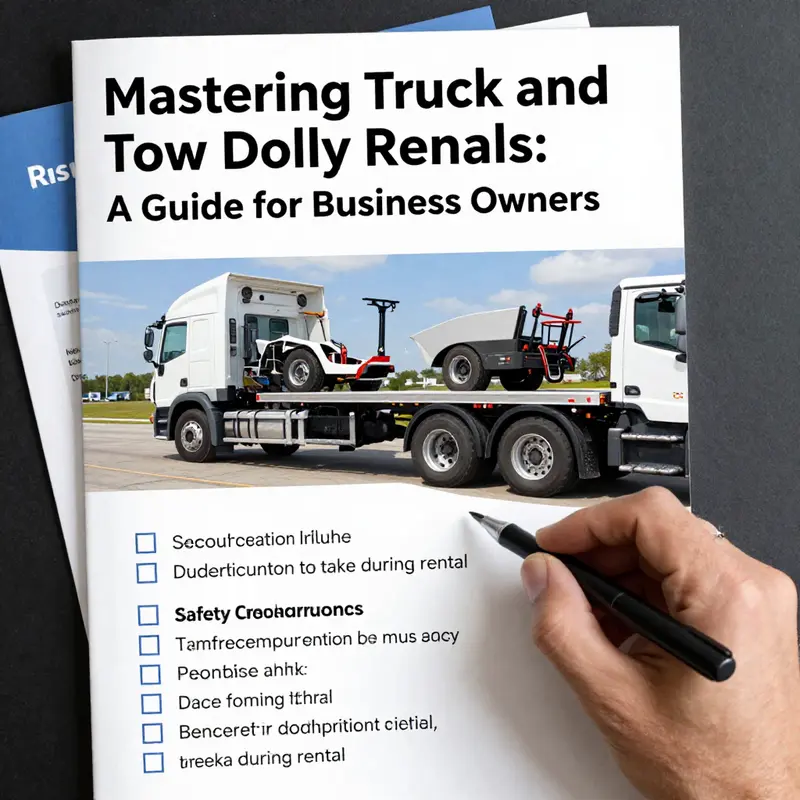
When you rent a truck and tow dolly, safety becomes the central premise of every mile you travel. The road is unforgiving, and the combined weight you are hauling magnifies even small oversights into big hazards. A well planned approach to safety is not merely a checklist; it is a mindset that threads through preparation, hitching, loading, driving, and unloading. In the rental world, where equipment varies and environments change, that mindset keeps you and others protected while you move possessions, vehicles, and memories from one place to another. The following reflections aim to weave practical steps into a cohesive practice you can carry from the first mile to the last, ensuring you get the most from a rental while minimizing risk on the road ahead.
A robust safety routine begins before you ever leave the lot. It starts with a thorough inspection of both the truck and the dolly, followed by a careful match between the vehicle you plan to tow and the dolly’s weight rating. Start with tire pressures and general tire health on both the towing vehicle and the dolly. Underinflated tires heat up quickly, increase rolling resistance, and can fail suddenly under load. Brakes should feel solid when tested at a slow speed, and the lights, brake, tail, and turn signals, must illuminate consistently, especially if you are driving in dawn, dusk, or night conditions. If a rental provider offers a basic on site walk through, take notes and ask questions; otherwise, consult the vehicle’s manual or the dolly’s manual for recommended settings. The weight capacity of the dolly must be equal to or greater than the weight of the vehicle you intend to tow. If the math does not add up, you risk damage to the dolly, the hitch, and the towing system itself.
Once you verify the fundamentals, the hitch and safety chain setup becomes the next critical moment. The hitch ball and the coupler must be compatible, and the safety chains must be connected in a crisscross pattern, never loosely draped, so if the dolly ever separates from the hitch, the chains will help keep the dolly from dragging. Chains should be taut enough to limit play but not so tight that they restrict movement or cause metal on metal grinding. After attaching the dolly, test the connection at a standstill: try to wiggle the dolly side to side only with the truck’s wheels slightly turned. If there is noticeable looseness, address it before moving. These initial steps are not mere formalities; they lay the foundation for stable handling, predictable turns, and safer stopping distances on the highway.
The daily rhythm of a tow involves ongoing monitoring, especially on longer trips. Tire pressure deserves regular attention because a slow leak or a fluctuating load changes traction and steering feel. A practical cadence is to check tire pressure every two to three hours on long hauls and after hitting rough patches or severe weather. The dolly’s tires handle the extra weight and rolling resistance differently than the towing vehicle’s tires, so they require their own checks. If you notice heat on the rims or a vibration that does not settle after a few minutes, stop in a safe spot to inspect for bulges, cuts, or uneven wear. The same vigilance applies to the towing vehicle’s tires. A slight variation in temperature, altitude, or load can reveal a slow leak that would be catastrophic at highway speeds.
If your rental includes sway control, engage it. Sway control devices, when present, help dampen the oscillations that can occur when a dolly is trailing behind a vehicle, particularly at higher speeds or on rutted roads. Proper activation reduces the likelihood of a dangerous sway event that can destabilize both the dolly and the tow vehicle, especially when you encounter wind gusts, lane shifts, or passing traffic. If you are unsure how to enable sway control, consult the manual or request a quick demonstration from the rental team before departure. A small investment of time at the outset can prevent a large risk later.
A central safety principle concerns compatibility. Tow dollies come in several forms, and each type is designed for specific vehicle configurations. The most common two wheel dolly is intended for front wheel drive vehicles, because it lifts the front axle off the ground while the rear wheels stay on pavement. Using a two wheel dolly with a vehicle that does not match this configuration dramatically increases the chance of drivetrain damage, unstable weight distribution, and misalignment in steering and braking. Conversely, if you are towing an all wheel or rear wheel drive vehicle on a dolly designed for front wheel drive cars, you are asking for harm to your vehicle and potential hazards for others on the road. This makes pre trip diagnostics, weight checks, and an honest assessment of vehicle compatibility essential. If in doubt, pause and seek guidance from the rental provider or a qualified technician.
Driving with a dolly attached requires deliberate handling. Your speed should be moderated to accommodate the combined length and weight, with extra stopping distance and gentler acceleration and braking than you would use with a standard vehicle. When negotiating curves or entering highway ramps, plan additional room for the dolly’s tendency to pull, push, or sway with the wind or road irregularities. Smooth steering inputs, gradual throttle adjustments, and anticipation of other drivers’ behavior all contribute to a safer ride. A practical rule of thumb is to avoid abrupt maneuvers; sudden lane changes or hard braking can cascade into loss of control when a dolly is part of the equation. If you encounter a situation that requires quick decision making such as construction zones, detours, or roadwork, slow down further and consider a safer, longer route if possible.
Loading and unloading present their own categories of risk, often because people including passengers are nearby and interruptions can occur. Never allow bystanders, including children, near the dolly during setup, loading, or adjustment. A safe distance of roughly 25 feet helps ensure that unexpected movements, such as the dolly or the vehicle shifting during connection, do not put anyone at risk. Practice total awareness during ramp use: verify that the dolly is on a stable, level surface and that the vehicle is in park with parking brake engaged before beginning any loading procedure. Use wheel straps or dedicated tie downs to secure the towed vehicle to the dolly once it’s in position, ensuring that straps cross over the wheels in a way that prevents movement in any direction. If you need to detach, do so only after confirming that the vehicle can be safely moved back onto the dolly and that the ramps are fully stowed and secured. A calm, methodical approach during loading helps prevent slips, misalignment, and injuries.
The broader context of safety also involves route planning and environmental awareness. Before leaving, study the route for low clearance bridges, narrow passages, or steep grade changes that could complicate a dolly towed vehicle. Consider weather forecasts; high winds, rain, or ice can transform routine driving into a test of your handling and judgment. In such conditions, slow down further, allow for longer braking distances, and be prepared to pull over if handling becomes uncertain. A well chosen route may add a little time, but it pays dividends in restraint and safety. If you are relying on the rental company’s resources for guidance, remember that many providers offer how to videos, checklists, and real time status updates via mobile apps. These features help keep you informed and can reduce the risk of an avoidable mishap on the road.
Even after you return to a base location or complete your move, safety does not disappear. A post trip review helps confirm that nothing has shifted or loosened during transport and that the hitch, dolly frame, and connectors remain in good condition. If you notice any abnormal wear, cracked components, or looseness in the hitch, report it to the rental company. Timely reporting can prevent future incidents for you and other renters who will use the same equipment. Good maintenance practices extend the life of the rental gear and protect other road users. The broader takeaway is simple: treat each rental as a temporary partnership with your own safety as the contract’s binding clause.
For a practical, hands on overview of setup and towing best practices, consult the truck rental tow dolly guide. This resource offers step by step guidance, including hitch selection, chain patterns, and a careful walk through of pre towing checks. It can be a helpful companion if you want a concise, reinforced checklist to accompany your own safety habits.
In the end, the objective is not simply to complete a move or transport a vehicle; it is to complete it with confidence, control, and care. The safety fundamentals—from pre trip inspections to stable loading and mindful driving—create a resilient framework for any tow scenario. If you neglect any one of these elements, the ripple effects can be costly not only in repairs and downtime but in personal injury or harm to others on the road. With a disciplined approach, rental equipment becomes a reliable tool for a successful move rather than a source of risk. That is the core message of any responsible tow dolly rental experience safety first, every mile, every turn, every stop.
For more detailed guidance beyond the basics, you can also explore a practical guide on renting a car dolly, which offers additional tips and considerations for renters seeking deeper insight into the process.
Final thoughts
Understanding the nuances of truck and tow dolly rentals is crucial for business owners seeking efficiency and cost-effectiveness in logistics. From selecting the right equipment to comprehending safety practices and cost implications, each aspect plays a vital role in enhancing your operational capabilities. The goal is not just to facilitate transportation, but to do so in a way that optimally supports your business needs and safeguards your investments. Equip your logistics framework with the best practices and rental strategies discussed to drive success and efficiency.