
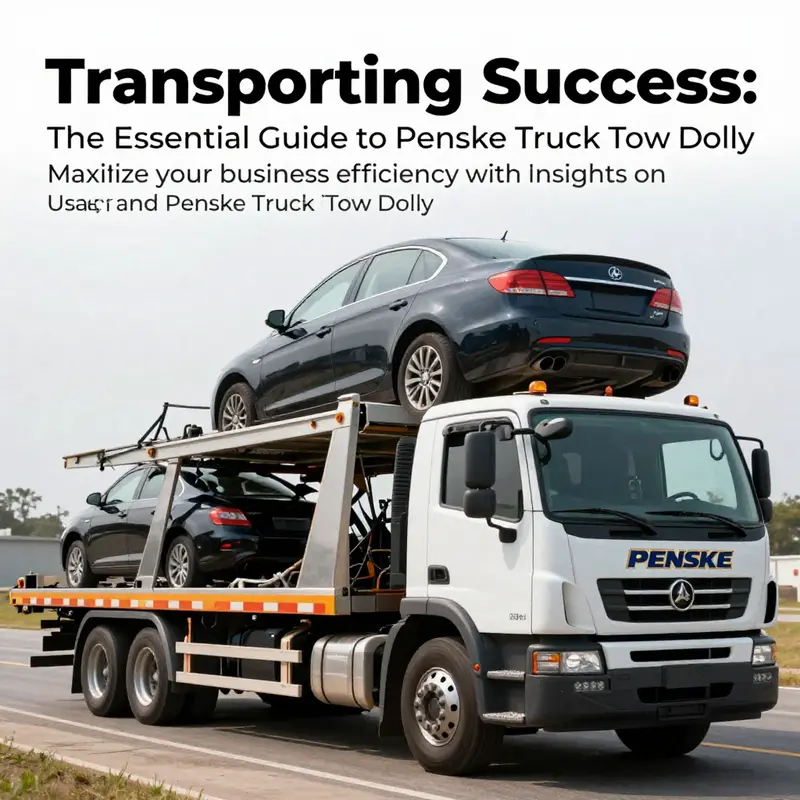
For business owners tackling logistics and equipment transportation, understanding the tools available can significantly impact operational efficiency. The Penske Truck Tow Dolly, despite not being a named product by Penske, represents a solution for those needing to transport vehicles alongside their rentals, typically through affiliated third-party vendors. This article delves into the understanding and usage of the Penske Truck Tow Dolly, explores its role in vehicle and equipment transportation, and performs a comparative analysis against competitor offerings, providing business owners with comprehensive insights needed for effective decision-making in logistics.
How Tow Dollies Fit into a Penske Move: Practical Guidance and Safe Use
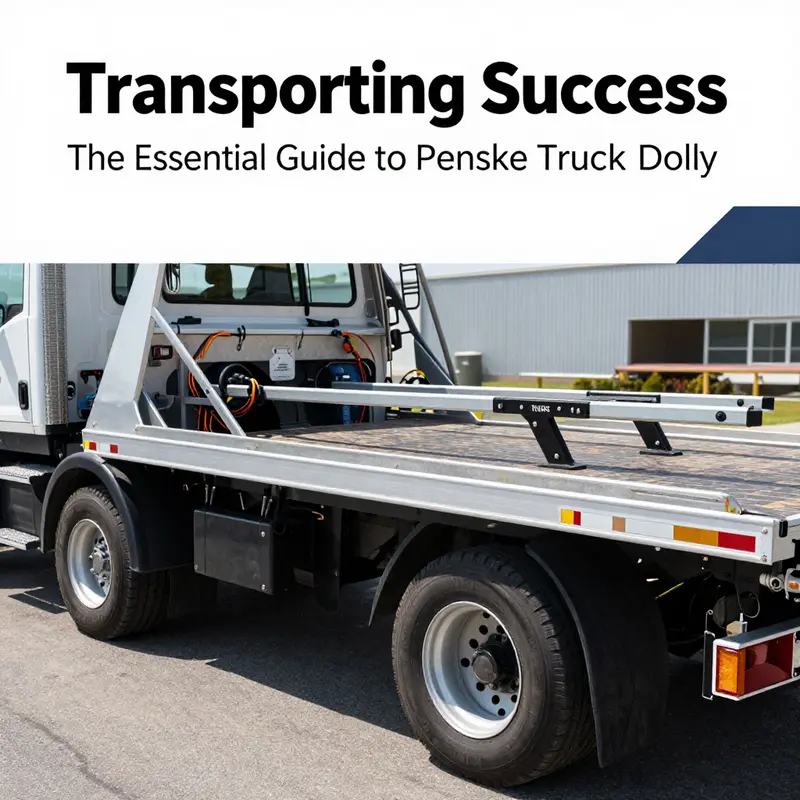
Moving a vehicle with a rental truck requires clear decisions, the right gear, and safe habits. Tow dollies are one of the simplest solutions when you need to tow a small car behind a rental truck. This chapter explains how a tow dolly works with a rental truck, how to decide if it’s the right choice, how to prepare both vehicle and truck, and how to load, secure, and tow with confidence. It focuses on practical steps and common pitfalls so a move that includes a towed car goes smoothly.
A tow dolly is a two-wheeled trailer designed to lift and carry the front or rear wheels of a passenger vehicle while the truck tows the car from the trailer hitch. It differs from a full car carrier, which carries an entire vehicle on four wheels, and from flatbed transport, which requires a larger trailer. The tow dolly’s smaller footprint makes it easier to store, lighter to tow, and often more affordable for short-term rental. For many moves, this combination of compact size and simplicity makes the dolly a sensible choice.
Before choosing a tow dolly, evaluate the vehicle you plan to tow. Not all cars are suitable. Front-wheel-drive vehicles work well on a standard tow dolly because the driven wheels are lifted off the road. Rear-wheel-drive and all-wheel-drive vehicles may require special handling; towing them with the drive wheels on the road can damage the drivetrain unless the manufacturer allows it. Check the owner manual for towing restrictions and required methods. Consider the weight and dimensions of the vehicle too. The dolly must be rated to handle the vehicle’s gross weight and wheelbase. If a vehicle sits exceptionally low, track-width adapters or wheel lifts may be necessary to prevent body damage while loading and towing.
The truck you rent must be compatible with the dolly. Confirm the truck has the correct hitch type and towing capacity. Many rental trucks are equipped to tow moderate loads, but tongue weight and gross combined weight rating (GCWR) matter. The hitch ball must match the coupler on the dolly, and the truck’s rear suspension must accommodate the tongue weight. If the truck is a larger moving truck, it might not have a standard receiver hitch; in that case, a specialized trailer hitch installation would be required before the move. When in doubt, consult the rental company’s equipment list or talk to a representative about accessory compatibility.
Loading the car onto the dolly requires preparation and patience. Pick a level, firm surface with room to maneuver. Inspect the dolly for damage, checking tires, lights, and the coupler. Verify tire pressure and that safety chains and straps are present. Position the dolly so the truck is aligned with the loading area and the dolly’s ramps or wheel chocks are clear. Use a helper to guide the car onto the dolly slowly; fine control reduces the chance of rubbing or scraping low bumpers. Once the driven wheels are centered in the dolly’s wheel cradles, set the parking brake and secure the transmission according to the vehicle’s tow instructions. This may mean putting the car in park, neutral, or a designated towing position. Always follow manufacturer recommendations to avoid transmission damage.
Secure the vehicle with all required tie-downs and wheel straps. A typical setup includes straps over each lifted wheel, ratchet or cam buckle straps from sturdy anchor points on the dolly to the car’s axle or frame, and a secondary safety chain or strap system. Use soft loops or protection points to avoid scratching pinch welds or bodywork. Check that straps are tight but not over-torqued; they should hold the vehicle firmly without bending suspension components. After securing the car, release the parking brake and try to rock the vehicle gently to confirm it is stable on the dolly. If the car shifts, re-tighten and reposition straps.
Electrical and lighting connections are essential for legal and safe towing. The dolly’s taillights, turn signals, and brake lights must be visible and synchronized with the towing truck’s lights. Modern dollies connect via a 4- or 7-pin wiring harness. Inspect the connectors for corrosion and ensure the truck’s wiring provides the correct signals. If a rental provider offers a light board or converter, use it to avoid wiring mismatches. Always test lights before you depart, using a partner to operate the truck’s signals while you stand behind the dolly to verify proper function.
Weight distribution and driving technique change when a trailer is involved. The dolly adds length and alters braking dynamics. Maintain a safe following distance that is significantly greater than usual. Anticipate stops early and brake more gradually. High-speed maneuvers, abrupt lane changes, and sudden braking increase the chance of sway. Keep speeds moderate; many jurisdictions set specific speed limits for vehicles towing trailers. Be mindful of corners and off-ramps. The additional length affects turning radius—make wider, slower turns to prevent the towed car from contacting curbs or roadside objects.
Sway control is less of a concern with a small dolly than with a large trailer, but it still happens when the wind, passing trucks, or sudden inputs destabilize the rig. If sway begins, avoid hard braking or dramatic steering corrections. Ease off the accelerator and steer straight until the rig stabilizes. If sway persists, gently reduce speed and pull over safely to inspect the connection and load. Worn or loose straps, improper tongue weight, or a loose coupler can contribute to instability. When you stop for breaks, check tie-downs, wheel chocks, hitch tightness, and tire pressure—vibration can loosen components over time.
Prepare for emergency scenarios. Carry basic tools, a heavy-duty jack, spare straps, and a portable light for night checks. Have a plan in case of a flat tire on the dolly. Some dollies include a spare; if not, ensure the rental includes roadside assistance. Many rental services provide 24/7 roadside support for customers towing with their equipment. Before departing, confirm the scope and contact details of roadside coverage. If available, download the rental company’s app to manage assistance calls and track service requests in real time. This reduces stress if a problem arises far from home.
Insurance and liability matter when towing another vehicle. Confirm that the rental truck’s insurance and your personal auto coverage extend to towed vehicles. Some policies exclude damage to the towed vehicle unless additional coverage is purchased. Review the rental agreement and consider supplemental liability or damage waivers if they are available. Document the car’s pre-tow condition with photos and notes. If damage occurs, having clear records speeds claims processing and reduces disputes.
Loading and unloading present unique risks. Use wheel chocks on the truck and dolly while loading to prevent rollaways. Keep bystanders clear. If the car can’t be driven onto the dolly under its own power, consider a winch or professional assistance. Improvised methods increase the chance of damage. Many rental providers offer optional equipment or third-party referrals for vehicle recovery. When unloading, reverse the loading steps carefully. Confirm the vehicle’s parking brake and transmission settings before attempting to drive away. A rushed unload can cause costly scrapes or misalignments.
Practical tips save time and reduce damage risk. Tape or cover exposed trim and corners with protective material during a move. Use soft straps over painted surfaces and avoid hooking straps to bumpers unless they are rated recovery points. Balance weight and avoid carrying heavy items in the towed car that might overload the dolly rating. Keep tire pressure at recommended levels for both truck and dolly. When crossing state lines, check local rules on trailer lighting, safety chains, and towing speed limits—regulations vary and noncompliance can lead to fines.
Choosing between a tow dolly and alternative options depends on several factors. A dolly is efficient for short distances and lower-cost moves when the towed vehicle is compatible. For longer hauls or when towing higher-value or exotic cars, a full car carrier or enclosed transport may offer more protection. If the vehicle is nonoperational, winch-equipped carriers can provide safer loading. Weigh price, convenience, vehicle protection, and legal requirements when deciding. If the rental company’s inventory does not include an appropriate dolly, they often can recommend vendors in their network or provide accessory rental options.
Communication with the rental provider simplifies the process. Ask clear questions about hitch compatibility, towing capacity, and any extra charges. Confirm the presence of necessary connectors, safety chains, and straps. Request operational walkthroughs or video guides if available; watching an expert demonstrate the setup can clarify tricky steps. If the rental service provides mobile apps or online how-to resources, use them to prepare before pickup. Many providers offer downloadable checklists that list equipment to inspect and steps to secure a towed car, which helps avoid overlooked items.
A few common mistakes are worth highlighting. First, skipping the vehicle manufacturer’s towing recommendations leads to drivetrain damage. Second, mismatching hitch sizes or ignoring tongue weight limits creates unsafe towing conditions. Third, failing to test lights and signals can make your rig invisible to other drivers’ intentions. Fourth, underestimating the impact of wind and passing trucks on stability can create dangerous surprises. Finally, neglecting periodic inspections during a long trip allows small issues to become emergencies. Regularly stop to check straps, lights, and tire condition—taking a few extra minutes can prevent costly consequences.
Accessibility and convenience are part of why customers choose rentals with towing accessories. When a rental provider supports accessory rentals or has affiliate vendors, the process of securing a dolly and the necessary gear is simpler. Ask about add-on services such as hitch installation, dolly setup assistance, and roadside support. If professional installation is offered, it can save time and reduce the risk of user error. If you must source a dolly independently, verify vendor reputation, equipment condition, and that a proper fit exists between the truck and dolly.
Finally, adopt a cautious mindset. Towing adds complexity to a move, but those complexities are manageable. Prepare the vehicle with the right checks, use correct strap techniques, test your lights, and practice slow, deliberate driving. Keep emergency contacts and documentation handy. If anything feels wrong during the trip, pull over in a safe place and inspect the rig. Learning the basics of dolly use and staying attentive throughout the journey will keep both the truck and towed vehicle protected and will make the moving day less stressful.
For a practical demonstration and deeper safety guidance, the rental provider’s online resources include step-by-step instructions and how-to videos that cover loading, securing, and towing procedures. These resources also describe available roadside assistance and app features that help manage requests and track service status in real time. If you want to explore an article that specifically covers the rental company’s approach to tow dollies, see this practical guide on Penske truck rental tow dolly.
For official safety tips, equipment lists, and instructional media on using tow dollies and car carriers, visit the provider’s tools and how-to page: https://www.pensketruckrental.com/tools-to-move-like-a-pro
Tow-Behind and Beyond: Integrating Vehicle Transport Equipment with Penske Truck Rentals for Safe, Efficient Moves
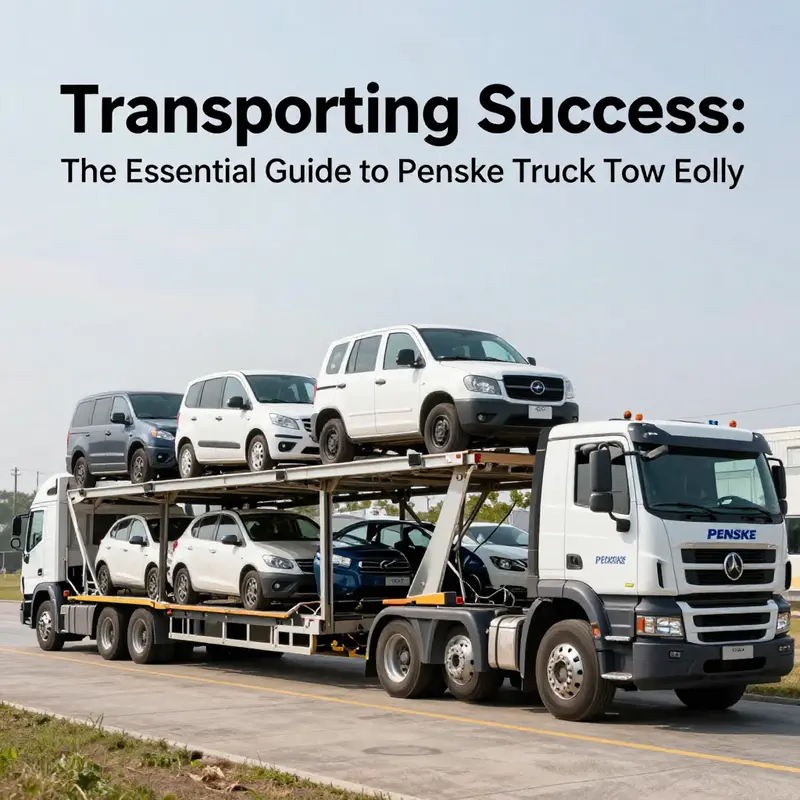
Across many moves, the challenge isn’t only relocating furniture and boxes. It’s also moving a vehicle or equipment that travels with the household or business. In this landscape, Penske Truck Rental offers a suite of moving trailers designed to handle the heavy lifting of everyday moves. While most customers associate Penske with large moving trailers that pair with a personal vehicle, these solutions sit alongside options that support vehicle transport and equipment movement in a practical, cost-conscious way. The heart of the topic is not a single branded device but a family of transport solutions that work together to extend the reach of a standard rental truck. A tow dolly, in this broader sense, is one such option. It represents a lighter, more maneuverable tool—one that can help move a car or other light to mid-weight assets when a full trailer would be unnecessary or impractical for the job at hand. Within Penske’s ecosystem, it’s important to understand how vehicle transport equipment can be integrated with the core moving trailers, the considerations for load and weight, and the practical steps customers can take to ensure a safe, efficient transport. The key idea is that Penske provides the foundational moving trailer platform and supports access to compatible transport equipment through its network, including affiliate vendors that supply vehicle transport devices. This approach keeps the focus on safety, reliability, and flexibility—an essential mix for customers who are coordinating multiple aspects of a move while safeguarding both their property and their people on the road.
When planning a move that involves more than furniture, the practical question becomes: how do you choose among the available transport options, and how do you use them effectively with a Penske rental? The overarching principle is straightforward. If the goal is to relocate a vehicle or other sizable asset alongside a household move, a light, dedicated transport device can be paired with a rental truck to create a two-part transport system. This system preserves control, distributes weight in a manageable way, and helps keep the operation cost-efficient. The decision hinges on the vehicle’s size and weight, the distance of the move, and the availability of compatible equipment through Penske’s platform and its affiliate network. Penske’s official moving-trailers page outlines the core trailer options by size and purpose. It’s a reminder that Penske prioritizes versatility: customers can select a trailer model that fits the scope of their household relocation, from compact moves to more substantial transitions that require larger trailers. Within that spectrum, the vehicle transport device, often provided by third-party vendors, can be added to support a broader set of transportation needs. The combination of a well-maintained, appropriately sized trailer and a compatible transport device becomes a practical solution for customers who want to keep their moves coordinated under a single rental umbrella.
To ground the discussion in the practical realities of building a transport plan, it’s useful to map out the core roles a vehicle transport device plays in a Penske-powered operation. A tow dolly or a lightweight vehicle transport trailer is typically designed to carry a vehicle with its front wheels loaded on the dolly and the rear wheels remaining on the ground, or in some configurations towed differently depending on the equipment design. These devices deliver several advantages. They reduce the length of the towing setup compared to full trailers, which can simplify maneuvering in tighter neighborhoods, urban corridors, or residential streets where space is at a premium. They also tend to be more affordable than larger, more complex carriers, making them a sensible choice for moves that involve what one might call “dual-use” loads: a household move coupled with a vehicle relocation. It’s important to emphasize that the actual load limits and compatibility depend on the specific model of the transport device and the tow vehicle’s capacity. Before selecting any equipment, customers should consult the guidance materials and load ratings provided by Penske’s platform and, when needed, by the affiliated equipment suppliers. This is where the role of information and preparation becomes central to a safe and successful transport.
The compatibility question is nuanced. Vehicles come in a spectrum of sizes, weights, drivetrains, and tire configurations. A front-wheel, rear-wheel, or all-wheel drive car presents different loading considerations. A tow dolly is designed to handle certain front-wheel-drive configurations because the front wheels rest on the dolly while the rear wheels ride on the road. Heavier front- or all-wheel-drive models require careful assessment of the dolly’s weight capacity and the hitch configuration. Weight capacity is not universal; it varies by model and the overall setup, including the tow vehicle’s rating and the trailer hitch. That means a potential user cannot assume a one-size-fits-all approach. The best practice is to verify the device’s rating, confirm the vehicle’s curb weight and loaded weight, and ensure the combined weight stays within safe limits. To help customers navigate these decisions, Penske provides loading guides and how-to resources through its app and official site. These resources translate the technical specifications into actionable steps—how to position the vehicle, how to secure it with straps and chains, how to protect tires and rims, and how to check the lighting and braking compatibility of the towing arrangement. The result is a more confident loading process, one that reduces the risk of shifting during transit and minimizes wear on the vehicle and trailer.
A central element of this approach is safety, which begins long before a truck leaves the driveway. Safety begins with planning and ends with secure transportation. For the rental period, Penske’s approach often includes a clear emphasis on advanced preparation. Customers should review the trailer’s connection to the tow vehicle, inspect the dolly or transport device for wear or damage, and confirm that all tie-down points are unobstructed and functional. Wheel chocks, proper strap or chain tension, and reflective markers are not merely formalities; they are practical tools that mitigate movement and maximize visibility. In the context of a vehicle transport device used alongside a Penske moving trailer, these precautions help ensure that coupling remains stable across both city streets and longer highway stretches. The educational materials on loading and securing the vehicle, available through the Penske app, serve as a structured reminder of best practices and common mistakes to avoid. A well-informed operator who follows these guidance cues is far more likely to sustain a safe, smooth journey from origin to destination.
Another dimension of the equation is accessibility and support. Roadside reliability matters when you’re moving, especially if you encounter an unexpected snag with a tow dolly or a vehicle transport device. Penske’s roadside assistance program operates around the clock, a feature that adds a layer of assurance for customers who depend on a tight schedule or who are moving in unfamiliar or remote locations. Knowing that help can be reached quickly if a tire, wheel strap, or hitch issue arises can calm nerves and help keep a move on track. The combination of dependable equipment, clear loading guidance, and 24/7 support integrates into a broader value proposition: customers can trust that Penske’s infrastructure, while primarily focused on moving trailers, also supports vehicle transport activities through a network of vetted partners and resources. This integrated approach means people do not need to piece together a complicated solution using disparate vendors; instead, they can align the core rental experience with compatible equipment and professional assistance as needed.
In practical terms, the decision to use a transport device like a tow dolly with a Penske rental depends on the scope of the move and the assets being relocated. For those moving a single small car as part of a household relocation, a light transport device can offer a cost-conscious, flexible option that complements a 10-foot or 20-foot trailer rather than duplicating capacity with a full-size car carrier. For businesses that require the movement of multiple vehicles or specialized equipment, the same logic applies but at a larger scale. Penske’s official platform provides a roadmap to evaluate trailer models by size and scenario, and its affiliate network expands the ways customers can access vehicle transport devices. In short, the Penske ecosystem does not hinge on a single, stand-alone tow-dolly product. Instead, it offers a coordinated suite of solutions that include the core moving trailers, a range of accessories, and access to compatible transport devices through trusted partners. The aim is to enable customers to design a transport plan that aligns with real-world constraints—space, budget, timeline, and risk tolerance—without compromising safety or reliability.
A crucial part of that plan is the loading procedure. Before hitching a vehicle to a transport device, operators should confirm that the vehicle is properly aligned and centered on the dolly or trailer. Wheels should be secured, and wheel straps must be tightened so there is no slack. The dolly’s ramp, if used, should be fully supported and anchored so it cannot shift under load. Lighting and signaling should be tested to ensure brake and tail lights function correctly. The sequence matters: incorrect loading can result in tire wear, axles under stress, or the dolly detaching at speed. The educational materials and step-by-step guides offered by Penske’s app translate these precautions into actionable steps that customers can follow during the loading process. These guides are especially valuable for drivers who are new to vehicle transport operations or who are scaling up their moves to include multiple assets. A thoughtful, well-documented approach to loading not only improves safety but also fosters confidence among drivers who may have to adapt to different road conditions or traffic patterns along the route.
The broader context for these transport solutions is a growing demand for flexibility. People are increasingly coordinating multi-item moves that mix personal vehicles, equipment, and household goods. In that environment, Penske’s model—anchored by a robust fleet of moving trailers and supported by a network of affiliate vendors for adjunct equipment—appeals to both individuals and small operators who want to keep the process streamlined under a single rental solution. It also encourages responsible decision-making: customers can compare the feasibility of using a light transport device with the option of a larger trailer, weigh the cost implications, and think through the logistical steps required to complete the move with minimal risk. The result is a practical, adaptable strategy for moving that respects the realities of urban terrain, rural routes, and everything in between.
To summarize, the role of a transport device in the Penske ecosystem is not limited to a single product or a one-size-fits-all approach. It is part of a broader, coordinated transport strategy designed to meet diverse needs. The core moving trailers provide the backbone for household relocations, while the vehicle transport devices offered through Penske’s network extend the range of possible configurations. Weight capacity considerations, compatibility with tow vehicles, loading and securing procedures, and the availability of educational content through the app all contribute to safer, more predictable moves. The 24/7 roadside support further solidifies the sense that customers are not navigating this path alone. For individuals exploring this option, a practical next step is to consult the official Penske page for moving trailers to understand the baseline equipment and then explore the affiliate network for access to vehicle transport devices that fit the specific vehicle and move profile. As part of a well-rounded plan, this approach ensures that a move includes both the security of a sturdy trailer and the adaptability of a capable transport device, aligned with the customer’s timeline and budget. For a practical overview of Penske’s transport options and how they fit into a moving plan, you can visit the Penske Truck Rental information page linked in the project resources and, if you’re seeking deeper, targeted guidance on a specific towing arrangement, review the internal resources that discuss towing solutions, including detailed postings like the one found at penske-truck-rental-tow-dolly.
For readers pursuing a broader safety framework as they plan their transport, it is wise to consult established guidelines and standards that govern towing operations. Safe towing depends on prudent decisions at every stage—from selecting appropriately rated equipment to executing secure connections, loading procedures, and route planning that accommodates vehicle behavior on the road. Reputable safety sources often emphasize the alignment of vehicle weight with hitch and axle limits, proper use of safety chains and tie-downs, and the importance of ensuring brake and signal systems function correctly for the entire towing setup. Keeping these best practices in mind will help ensure that the combined use of Penske’s core moving trailers and compatible transport devices results in a move that is not only efficient but also safe for the driver, the vehicle, and the other road users encountered along the journey.
External Resource: For broad guidance on towing safety, see resources from the National Highway Traffic Safety Administration at https://www.nhtsa.gov
null
null
Final thoughts
In conclusion, the Penske Truck Tow Dolly, while not explicitly marketed by Penske, serves as a powerful solution for businesses needing vehicle transportation solutions. This article has explored its usage, significance in logistics operations, and compared it effectively against competitors, equipping business owners with essential insights for making informed transportation decisions. Understanding these dynamics ensures optimal efficiency in operations and enhances overall business effectiveness.