
Moving business operations or inventory to a new location requires strategic planning, especially regarding transportation. For business owners, selecting a moving truck with unlimited mileage can significantly impact both budget and logistics. This choice not only provides flexibility but also simplifies the planning process, ensuring that you’re not penalized for exceeding predetermined mileage limits. In this exploration, we will delve into the various benefits of opting for moving trucks with unlimited mileage, discuss the cost-effectiveness of these rentals specifically for long-distance relocations, and conduct a comparative analysis of offerings from different rental companies. By the end, you’ll have a comprehensive understanding of how to optimize your moving strategy.
Unlimited-Mileage Moving Trucks: How Distance Freedom Transforms Long-Distance Moves
Why unlimited mileage changes the calculus of moving
Choosing a moving truck with unlimited mileage alters the basic assumptions of any relocation. Distance stops being a variable that inflates the bill. Instead, it becomes a planning factor you can control for time and comfort, not cost. This single policy shift affects budgeting, route decisions, loading strategy, and even the emotional experience of moving. When you no longer face per-mile fees, you can prioritize safer roads, more direct routes, or slower travel that accommodates oversized loads. You can also split a long haul into reasonable daily drives without fearing an unexpected mileage surcharge. In short, unlimited mileage converts distance from a penalty into an operational parameter you can use strategically.
Without unlimited mileage, every mile is a potential surprise. Per-mile charges multiply as the route extends or as detours become necessary. Those extra costs complicate spreadsheets and push some people toward cost-saving but risky behaviors, like overloading a vehicle to cut trips or choosing longer but cheaper roads that add time and stress. Unlimited mileage frees you from that pressure. You can select the truck size that best fits your belongings, not one that barely holds everything to avoid extra miles. You can take safer, lower-speed highways that reduce wear on the vehicle and lower accident risk. And you can plan rest stops and overnight stays with comfort, knowing they won’t swell the final invoice.
This freedom has three immediate practical consequences. First, it simplifies cost forecasting. When mileage is unlimited, the rental rate and estimated fuel costs become the predictable elements. Second, it encourages better logistics. Route choices can focus on efficiency, vehicle capabilities, and safety. Third, it reduces the administrative friction of long moves. You spend less time calculating potential surcharges, and more time coordinating helpers, packing, and timing the move.
The financial logic: predictable totals and fewer surprises
Budgeting a move is rarely simple. There are packing supplies, insurance options, fuel, possible tolls, and lost work hours to consider. Adding a per-mile charge introduces another variable that can be hard to forecast accurately. Distance estimates might change when traffic forces detours or when weather closes a preferred path. Each unplanned mile can nudge the total upward.
Unlimited mileage swaps that uncertainty for a predictable line item. The rental fee covers distance, so you only need to estimate fuel, insurance, and any location-based fees. This clarity has a direct impact on decision-making. You can compare offers by evaluating base rates and equipment rather than trying to simulate dozens of mileage scenarios. For businesses that move inventory between sites, this predictability translates into reliable operational budgets and more accurate client quotes. For individuals, it means fewer late surprises and less time spent recalculating costs when plans change.
The benefit is not only psychological. It often yields real savings. When per-mile charges are steep, renters might choose smaller vehicles or plan convoluted routes to keep miles down. Those choices can increase fuel consumption per load, require more trips, or lengthen the move. With unlimited mileage, selecting a larger truck to reduce trips becomes economical. A single larger vehicle trip can use less fuel and time than two smaller runs that stay within mileage caps. Unlimited mileage lets you think in terms of load efficiency rather than distance minimization.
Operational advantages: routing, timing, and load management
Unlimited mileage reshapes operational choices. Route planning becomes less about avoiding mile markers and more about traffic, road quality, and safety. You can opt for highways that are faster and safer or choose lower-traffic routes that reduce stress. If a storm closes an interstate, you can reroute without cost anxiety. If you need to drive a slower, flatter path for a heavy load, you can.
Timing also benefits. Long moves often require pacing to avoid exhaustion. With unlimited mileage, you can break a long trip into manageable segments. You and your team can stop when fatigue sets in, find a better motel, or spend an extra day at a halfway point to rest. Those choices improve safety and reduce the likelihood of mistakes that cause damage to your goods. For moves that involve pets or children, the extra flexibility to take longer but safer routes, or to include additional stops, is especially valuable.
Load management improves as well. Unlimited mileage removes the tight correlation between distance and the temptation to overload. Overloading increases risk of mechanical issues, reduces available maneuverability, and can violate road laws. When you can choose a truck that truly fits the volume of your items, you reduce the need for risky packing decisions. And if the move requires multiple stops, you can stack pickups and deliveries without worrying miles will balloon costs.
Time versus cost: optimizing for efficiency
Unlimited mileage reframes the perennial trade-off between time and cost. Typically, faster routes or additional trucks cost more because they add miles or rental fees. Unlimited mileage lets you choose time-saving strategies without a direct distance penalty. You might select a truck that is easier to drive and faster on highways, reducing overall travel time. Or you could take a slightly longer but faster highway route that uses constant speeds and saves hours, even if the distance is a bit greater. The decision becomes one of time management and fuel efficiency, not an anxiety over incremental miles.
For moves where timing is crucial—such as beginning a new job on a fixed date or coordinating with tenancy agreements—this flexibility is indispensable. Unlimited mileage gives you the option of making a direct overnight push to arrive on time, rather than splitting the move into multiple costly legs. Conversely, if you prefer to spread a move over several days to reduce fatigue, you can do so with predictable cost.
Risk reduction and contingency planning
Risk management is another understated advantage. Long moves are vulnerable to many uncertainties: road closures, vehicle issues, personal emergencies. Per-mile fees can push people into risky behaviors. They might continue driving tired to avoid additional miles, or they might skip safer detours to keep distance down. With unlimited mileage, you can incorporate contingency plans without adding financial strain. If a repair requires a detour of 50 extra miles, the cost is the same. If a delayed ferry forces a longer inland route, it does not inflate the bill.
This buffer also helps when you need to make last-minute adjustments. If you discover your load is heavier than expected, you can switch to a larger truck without having to calculate new per-mile costs for the adjusted distance. If you face an unexpected overnight stay, the mileage is unaffected. These allowances reduce the stress of moving and lower the chance that a small disruption becomes a big expense.
Who benefits most from unlimited mileage
Not every mover needs unlimited miles, but many do. Long-distance relocations benefit the most. When a move covers multiple states, per-mile charges can escalate quickly. For intercity or cross-country moves, unlimited mileage removes the most volatile cost element. Businesses that transport equipment between distant sites also see clear value; their logistics become simpler, and pricing to clients becomes steadier.
Another group that benefits is those undertaking one-way rentals. One-way moves can introduce unpredictability because you cannot always predict the return trip or the final distance. Unlimited mileage turns that unpredictability into a non-issue. People moving multiple times in a short period, or those doing temporary relocations for work, also find unlimited mileage helps keep plans flexible and affordable.
However, local moves can also gain advantages. If a city move involves lots of detours, or if you need to test multiple properties before settling, unlimited miles let you do so without tallying each mile. Even short moves with multiple stops can rack up unexpected distance. Unlimited mileage across multiple days minimizes the mental load of tracking those miles.
Practical considerations when reserving unlimited mileage trucks
Unlimited mileage is not always automatic. Policies vary by location and rental terms. Before you commit, verify whether the reservation includes unlimited miles, or if unlimited miles apply only to specific vehicle classes, rental durations, or pickup locations. Some branches may include unlimited miles at no extra charge for multi-day reservations. Others might limit the offer to one-way trips. Always ask for the exact terms and get them in writing if possible.
Insurance and liability coverage remain essential. Unlimited mileage covers distance fees, not damage. Review the available coverage options and choose one that protects your goods and reduces your liability. Also check mileage-friendly maintenance policies and roadside assistance; long trips expose you to a greater chance of needing support, so reliable assistance is important.
Fuel is the other major cost to consider. Unlimited mileage helps predict the rental charge, but fuel still varies with distance, vehicle size, and driving style. Estimate fuel consumption conservatively. Choose a truck size that balances load capacity with fuel economy. Think about combining trips or minimizing idling to lower consumption. If you expect frequent stops or heavy urban driving, expect higher fuel use and plan accordingly.
Finally, availability matters. Unlimited-mileage trucks can be in high demand, especially during seasonal peaks. Book early to secure the truck size you need and the unlimited mileage option. If you must be flexible, check nearby locations for alternative options, and compare rates carefully.
How this policy shapes the moving experience
Beyond dollars and logistics, unlimited mileage shapes the emotional and practical feel of a move. It reduces micro-decisions that cause stress. You can make choices that prioritize safety, comfort, and efficiency without second-guessing the financial consequences of each extra mile. That psychological relief can make a move feel more manageable.
It also allows for smarter team coordination. Helpers can be scheduled more reliably when travel plans are firm. Employers can plan for worker hours more accurately. And families can plan rest stops and breaks without worrying that relaxing for an hour will add cost.
In the end, unlimited mileage collapses a major moving variable into a predictable, manageable element. It frees you to plan moves that fit your priorities and constraints. When distance no longer punishes flexibility, the entire relocation becomes a set of deliberate choices rather than a series of compromises.
For further details on how unlimited mileage options apply to rental orders and to confirm current policies, see the official external resource: https://www.uhaul.com/moving-trucks/rental-options/unlimited-mileage/
You can also read a practical perspective on unlimited rental truck mileage on this internal guide: unlimited rental truck mileage.
Unlimited Miles, Predictable Costs: Redefining Long-Distance Moves with Mileage-Free Truck Rentals
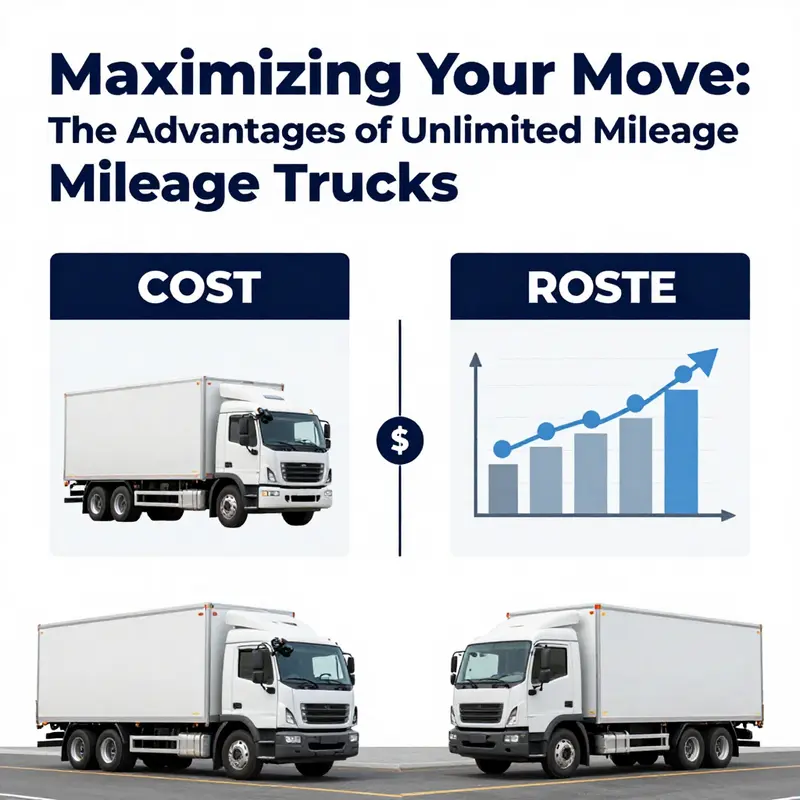
Unlimited mileage in moving trucks reshapes budgeting by removing per mile charges. This chapter explains how predictable daily rates, detours, and staging trips can reduce cost uncertainty, enable flexible planning, and support safer packing and loading for long distance relocations. It also cautions readers to verify mileage terms, exceptions, and any required conditions with providers before booking.
Choosing Unlimited-Mileage Moving Trucks: How Policies, Costs, and One-Way Options Shape Your Move
Choosing an unlimited-mileage moving truck is about more than avoiding per-mile fees; it changes how you plan time, route, and risk. When the distance between your old home and your new one stretches beyond city limits, or when unforeseen detours and stops are likely, an unlimited-mileage rental can transform a stressful move into a predictable, manageable operation. This chapter walks through the practical factors that separate a cost-effective unlimited-mileage rental from a policy that looks generous on the surface but hides costly conditions.
Start with the policy itself. Not all “unlimited” offers are created equal. Some national rental fleets advertise daily rates that include unlimited miles for specified use cases, such as multi-day or one-way rentals. Others attach unlimited mileage to a narrow set of circumstances or require that the vehicle be returned to the same location where it was picked up. Read the fine print: does unlimited mileage apply for one-way moves or only for round trips? Are there geographic blackouts or regional restrictions? Can you cross state lines without triggering fees? The difference between true unlimited mileage and a mileage cap with waived fees can be hundreds of dollars on long moves.
Cost structure matters in three ways: base rate, additional fees, and opportunity costs. The base daily rate for an unlimited-mileage rental tends to be higher than a limited-mile option because the company is taking on the risk of high-mileage usage. That higher base rate, however, often yields savings for longer trips because it replaces per-mile charges that stack up quickly. Additional fees are where surprises occur. Pay attention to mandatory charges such as environmental fees, vehicle licensing surcharges, and taxes; optional charges such as protection plans, equipment rentals (ramps, dollies, moving blankets), and fuel service options; and conditional fees such as interstate surcharges, cross-country fees, or drop-off charges for certain routes. Opportunity costs include time spent waiting for truck availability or traveling longer routes to secure a one-way drop-off at a cheaper depot; these costs can erode the straightforward arithmetic of base rate versus per-mile fees.
Location density and one-way availability are two practical constraints that determine whether unlimited mileage truly benefits your move. A dense network of pickup and drop-off locations increases the odds that you can arrange a one-way move without extra repositioning fees. Conversely, if the rental network is sparse in your origin or destination area, unlimited mileage becomes less valuable because long repositioning trips or a forced return to the pickup site can add both time and cost. Ask the rental operator about their depot network, common one-way corridors, and whether your planned route falls into any restricted zones. If the company requires returns to the pickup location for its unlimited policy to apply, unlimited mileage on paper will not help you for a cross-country relocation.
Reservation timing and deposit rules also shape your final cost. Some operators require larger deposits for truck reservations that promise unlimited miles. Others require full payment at pickup or attach nonrefundable booking fees. If your move date is flexible, compare rates across different days to find lower daily rates or waived deposits. For multi-day trips, confirm whether the daily rate is held for each day of your reservation or if promotional rates apply only to a limited block of days. When a refundable deposit is part of the agreement, keep all return documentation and inspect the vehicle thoroughly at drop-off to avoid hold-ups in the refund process.
Insurance and liability are frequently underestimated. Unlimited mileage can tempt movers to choose longer, more complex routes, or to consolidate multiple errands into a single trip. The rental company’s liability and damage policies can change based on how far or where you drive. Confirm whether your auto insurance or credit card coverage extends to rental trucks and, if not, consider the provider’s offered protection plans. These plans often cover damage, loss of use fees, and liability; however, they come at a daily or flat charge. For long moves that rack up many days on the road, protection plans add significantly to the total cost. Evaluate your personal coverage, the driving complexity of your route, and whether paying for a plan reduces risk to an acceptable level.
Vehicle options and convenience features influence value more than the raw price per day. Larger trucks may come with different unlimited-mileage policies than smaller pickups or vans. Check which vehicle classes are eligible for unlimited mileage and whether typical accessories—like loading ramps, tow dollies, or winches—are included, rented separately, or restricted in one-way rentals. If your move involves a car trailer or heavy furniture, verify whether adding towing equipment affects the unlimited-mileage status or imposes additional geographic limits. For multi-stop moves, the stability of the rental’s unlimited-mileage policy across each vehicle class can make a particular truck size far more economical once you factor in loading trips and return drives.
Customer support and roadside assistance are critical for long-distance moves. An unlimited-mileage policy is no good if the truck breaks down in an area where assistance is slow or costly. Compare the extent of roadside service, what it covers (tire changes, battery assistance, towing), and whether it is included in the reservation or sold as an add-on. Long itineraries often cross state lines into regions where service networks vary. If the provider’s roadside network is limited in parts of your route, factor in the potential for delays and the cost of emergency towing or repairs.
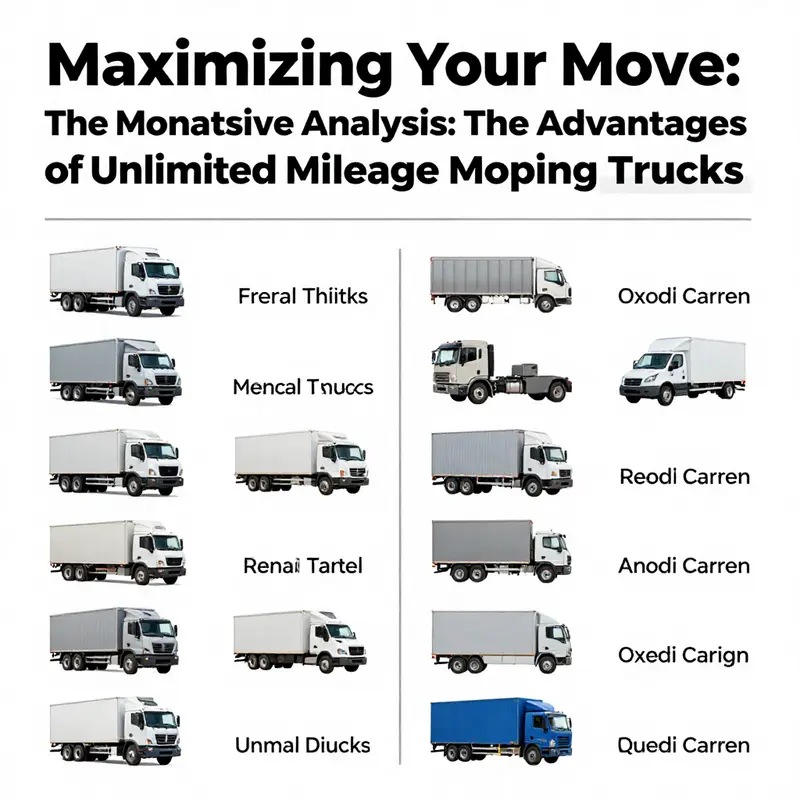
When comparing two major national options with unlimited-mileage offerings and one national option that focuses on short-term hourly or same-day rentals, practical trade-offs emerge. The national firms that provide unlimited miles tend to be better suited to one-way and long-distance moves. They price their daily rates to absorb high mileage and often allow flexible route planning. The hourly/same-day-focused provider, by contrast, offers low rates for short local moves but does not support one-way rentals. That provider is ideal for local moves within a city where you can pick up and return the vehicle to the same storefront within a day, and where unlimited mileage is unnecessary. For longer trips or interstate moves, the latter provider’s inability to support one-way drop-offs and its limited network make it a poor fit.
Evaluate regional policy variations carefully. Rental operators with extensive national footprints sometimes implement regional rules: unlimited mileage may be available at most locations but not all. Rates and eligibility can change by state or even by depot. For example, a location near a state border might follow a different policy for cross-state drops, or a depot in a high-demand metro area might levy additional fees during peak seasons. When you reserve online, note the reservation confirmation number and the exact mileage policy quoted for your selected pickup location. Policies printed on marketing pages sometimes differ from what the local depot applies, particularly during peak moving weeks.
Practical planning tips reduce risk and maximize value. First, map your route and estimate both distance and time. Compare total cost scenarios: a slightly higher daily rate with unlimited miles versus a lower base rate with per-mile fees. Include estimated fuel costs (trucks have lower fuel efficiency than cars), meals, lodging, and protection plan costs. Second, book as early as possible for peak move times; unlimited-mileage vehicles are in high demand for long-distance moves. Third, take photos and document the truck’s condition at pickup and drop-off, focusing on existing body damage, tire condition, and cargo-area wear. This documentation helps with deposit refunds and damage disputes. Fourth, confirm return logistics: specific drop-off hours, required paperwork, and whether the location can process final inspections after hours.
If flexibility is your priority, prioritize providers that explicitly include one-way unlimited mileage without regional restrictions. These operators are easier to plan around because they allow you to set a destination and route without worrying about mileage penalties. If cost predictability is more important than flexibility, consider whether the breakdown of base rate plus estimated per-mile fees yields a lower expected total for your planned trip. For shorter interstate moves, a per-mile model can occasionally beat a higher flat daily rate when the total distance is modest. Conversely, for cross-country moves or tangled routes with multiple stops, unlimited mileage almost always wins because of the compounding effect of per-mile charges.
Negotiate and compare multiple quotes. When you receive a reservation quote, ask the representative to itemize every charge: administrative fees, environmental surcharges, taxes, protection plan costs, and any route or drop-off-related fees. If a quoted unlimited-mileage package looks close to another provider’s per-mile price, request a written confirmation that unlimited mileage applies to your exact pickup and drop-off locations. Written confirmation is the strongest safeguard when comparing offers.
Finally, consider the soft benefits of unlimited-mileage options. Moving is unpredictable; the time saved by avoiding constant concern about mileage can reduce stress and let you focus on the physical move. Unlimited mileage also enables you to consolidate errands, pick up extra supplies en route, and adjust plans if unexpected issues arise without recalculating costs. That convenience has real value for many people, particularly those coordinating with family members, professional crews, or long-distance schedules.
For deeper guidance on choosing a rental with unlimited mileage and understanding how providers structure those policies, consult a detailed resource from a major fleet operator that explains unlimited mileage pickup truck rentals in depth: https://www.uhaul.com/rentals/moving-trucks/unlimited-mileage. For an internal perspective on unlimited-mileage options and how they compare to limited-mileage alternatives, this article on unlimited rental truck mileage provides practical comparisons and planning tips: unlimited rental truck mileage.
By treating unlimited mileage as a strategic planning tool rather than a simple line item, you protect yourself from surprises and harness the flexibility that long-distance moves require. Focus on the intersection of policy details, depot network, vehicle class eligibility, and the realistic costs of protection and roadside coverage. That combination reveals which unlimited-mileage option will actually save you money and time on the road.
Final thoughts
Utilizing moving trucks with unlimited mileage offers distinct advantages for business owners engaged in long-distance relocations. Not only do these trucks enhance logistical flexibility, but they also present significant cost savings that can benefit a company’s bottom line. Understanding the various options available across different rental companies allows business owners to make informed choices that align with their specific needs. By embracing this effective moving solution, businesses can ensure a smooth transition, minimizing the financial and operational stresses that often accompany relocation.